The Ultimate Comfort in a Bowl: Crafting the Perfect Homemade Chicken Soup
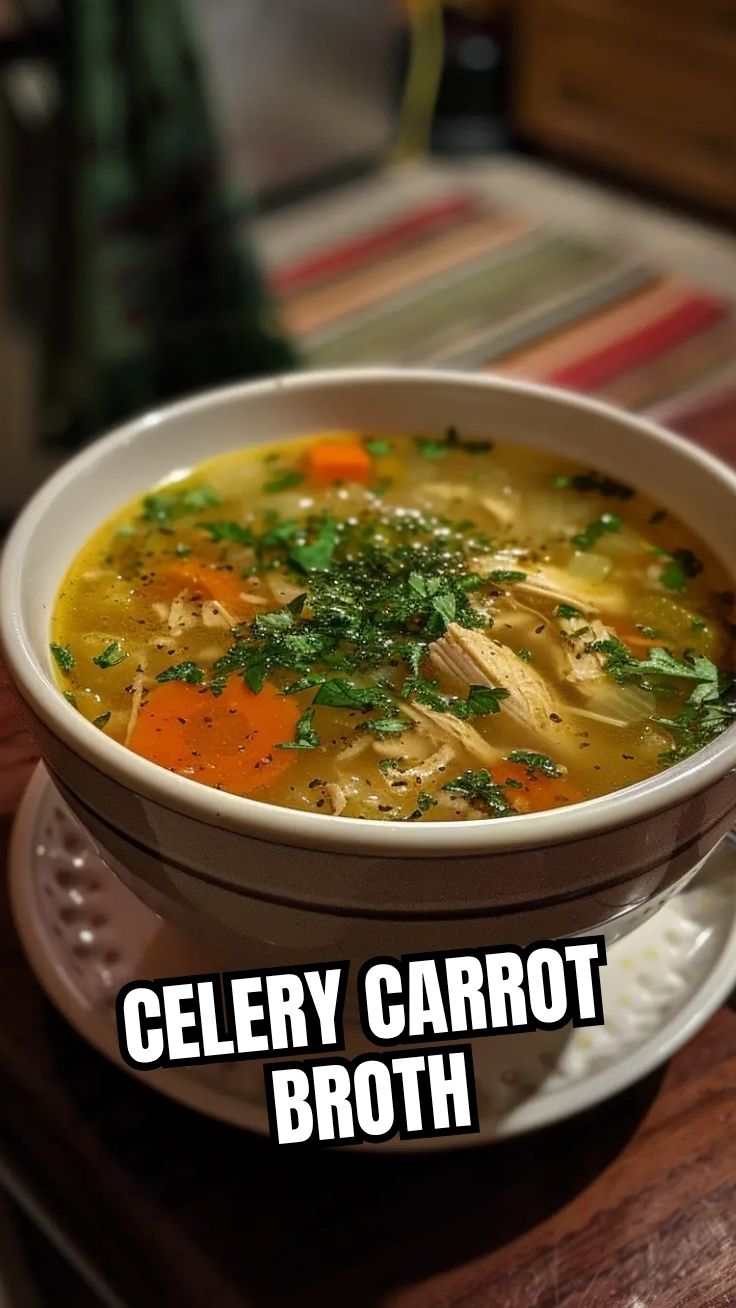
Are you yearning for a dish that wraps you in warmth, nourishes your soul, and brings a sense of comfort to your kitchen? Look no further than the timeless allure of a truly exceptional Chicken Soup. There’s something profoundly satisfying about preparing this classic from scratch, transforming simple ingredients into a rich, aromatic broth that can heal, uplift, and simply make your day better. Ditching store-bought cans for a homemade version allows you to control every ingredient, infuse genuine love into every simmer, and customize the flavors to your exact preference. This guide will walk you through crafting a delicious and wholesome homemade chicken soup recipe, making it an invaluable addition to your culinary repertoire.
Ingredients & Kitchen Tools
Gathering the right components is the first step to a magnificent bowl of soup.
- For the Broth:
* 2-3 lbs Bone-in, Skin-on Chicken Pieces: (e.g., thighs, drumsticks, or a whole small chicken cut into pieces). Bones are crucial for a rich, flavorful broth as they release collagen.
* 1 Large Yellow Onion: Quartered, adds foundational sweetness and aroma.
* 3 Carrots: Roughly chopped, contributes natural sweetness and vibrant color.
* 3 Celery Stalks: Roughly chopped, essential for classic soup aromatics.
* 8-10 Cups Water or Low-Sodium Chicken Broth: The liquid base; choose water for a purer chicken flavor, broth for added depth.
* 2 Bay Leaves: Infuses subtle herbal notes.
* 1 tsp Whole Black Peppercorns: Adds a gentle, earthy spice.
* 1/2 Bunch Fresh Parsley: Stems and leaves tied with twine, for fresh, green flavor notes.
* 1 tbsp Apple Cider Vinegar (Optional): Helps extract minerals from the bones for a more nutritious broth.
- For the Soup (after broth is made):
* 2 tbsp Olive Oil or Butter: For sautéing vegetables.
* 2 Carrots: Diced, for texture and fresh sweetness.
* 2 Celery Stalks: Diced, for texture and classic flavor.
* 1 Cup Egg Noodles or Small Pasta: (or rice), provides a comforting carb component.
* Salt and Freshly Ground Black Pepper: To taste, for seasoning.
* Fresh Parsley or Dill, chopped: For garnish and fresh flavor.
- Kitchen Tools:
* Large Stockpot or Dutch Oven: Essential for simmering a large batch of soup.
* Fine-Mesh Sieve or Colander: For straining the broth.
* Large Bowl: To catch the strained broth.
* Ladle: For serving.
* Cutting Board & Knife: For prepping vegetables and chicken.
* Tongs or Slotted Spoon: For removing chicken and vegetables.
Prep Time & Cooking Schedule
- Prep Time: 20 minutes (for chopping vegetables and chicken)
- Broth Simmering Time: 1.5 – 2 hours (allows flavors to meld and collagen to extract)
- Soup Assembly & Cooking Time: 30 minutes
- Resting Time: 5-10 minutes (after serving, allows flavors to settle)
Plan to dedicate a leisurely afternoon to this recipe. The broth can simmer gently while you attend to other tasks, filling your home with an irresistible aroma.
Step-by-Step Instructions
1. Prepare the Broth:
* Place the chicken pieces, quartered onion, roughly chopped carrots, celery, bay leaves, peppercorns, parsley bundle, and optional apple cider vinegar into your large stockpot.
* Pour in the water or broth, ensuring the ingredients are submerged. Bring to a boil, then immediately reduce heat to a gentle simmer. Skim off any foam that rises to the surface.
* Cover partially and simmer for 1.5 to 2 hours, or until the chicken is tender and easily falls off the bone. This slow simmer is key to a flavorful homemade Chicken Soup.
2. Strain and Debone:
* Carefully remove the chicken pieces from the pot and set aside to cool slightly. Use a fine-mesh sieve or colander lined with cheesecloth (optional for extra clarity) to strain the broth into a large bowl, discarding all solids (vegetables, peppercorns, bay leaves). You now have a rich, golden homemade chicken stock.
* Once the chicken is cool enough to handle, remove the skin and bones, shredding the meat into bite-sized pieces. Discard skin and bones.
3. Assemble the Soup:
* Return the strained broth to the cleaned stockpot.
* In a separate pan, heat olive oil or butter over medium heat. Add the diced carrots and celery and sauté for 5-7 minutes until softened. This step adds fresh, tender vegetables to your soup.
* Add the sautéed vegetables to the broth. Bring the broth to a gentle simmer.
* Stir in the shredded chicken and the egg noodles (or pasta). Cook according to noodle package directions, usually 8-10 minutes, until al dente.
* Season with salt and freshly ground black pepper to taste. Remember, the initial broth had minimal seasoning, so this is where you customize the final flavor profile of your homemade chicken soup recipe.
4. Serve:
* Ladle hot soup into bowls. Garnish with fresh chopped parsley or dill. Enjoy immediately!
Nutritional Benefits & Advantages
This hearty soup is a powerhouse of nutrition. Chicken provides lean protein, essential for muscle repair and growth. The medley of vegetables offers a wealth of vitamins, minerals, and antioxidants, boosting immunity and overall health. The slow-simmered broth, especially when made with bones, is rich in collagen, beneficial for joint health, skin elasticity, and gut lining. It’s also an excellent source of hydration and electrolytes, making it a perfect remedy for colds or simply a nourishing meal.
Tips, Variations & Cooking Advice
- Flavor Boosters: A squeeze of fresh lemon juice at the end brightens the flavor. A pinch of turmeric can add warmth and an immune boost.
- Vegetable Variations: Feel free to add other vegetables like potatoes (diced), peas, corn, or spinach in the last 10 minutes of cooking.
- Grain Alternatives: Instead of noodles, use rice (brown or white, cooked separately and added at the end to prevent mushiness), quinoa, or even barley.
- Spicy Kick: A dash of red pepper flakes can add a subtle heat.
- Herbal Infusions: Experiment with fresh thyme or rosemary sprigs added to the broth during simmering.
Common Mistakes to Avoid
- Overboiling the Broth: A vigorous boil can make the broth cloudy and extract unwanted bitter flavors. Always keep it at a gentle simmer.
- Undercooking Vegetables: Ensure your diced vegetables are tender-crisp, not hard. Sautéing them separately before adding to the broth helps.
- Overcooking Noodles: Add noodles towards the end of the cooking process to prevent them from becoming mushy and absorbing too much broth, leaving you with less liquid.
- Not Skimming Foam: Failing to skim the foam during the initial simmer can result in a cloudy broth.
- Insufficient Seasoning: Taste and adjust seasoning at the end; bland soup is a common oversight.
Storage & Meal Prep Tips
- Refrigeration: Leftover soup can be stored in an airtight container in the refrigerator for 3-4 days.
- Freezing: For longer storage, freeze the soup in individual portions or larger containers for up to 3 months. If adding noodles, it’s best to cook and add them just before serving or after reheating, as they can become very soft when frozen and reheated.
- Reheating: Reheat gently on the stovetop over medium-low heat until warmed through. Add a splash of water or broth if it has thickened too much.
Conclusion
Crafting a delightful Chicken Soup from scratch is a rewarding endeavor that yields not just a meal, but a comforting experience. By following this guide, you’ve learned to build layers of flavor, understand key techniques, and create a truly nourishing dish that stands head and shoulders above its canned counterparts. This comprehensive approach to a homemade chicken soup recipe ensures every spoonful is packed with goodness. Now, go forth and embrace the joy of homemade goodness! Share your culinary creations and favorite variations in the comments below – we’d love to hear from you.
FAQs
Q1: Can I make this soup with a whole chicken?
A1: Absolutely! A whole chicken, butterflied or cut into pieces, works wonderfully. Just ensure it fits comfortably in your pot and is submerged in liquid.
Q2: What if my broth is cloudy?
A2: Cloudiness is often caused by vigorous boiling or not skimming the foam. While perfectly safe to eat, you can try passing it through cheesecloth for a clearer broth.
Q3: Can I make this soup in a slow cooker?
A3: Yes! Combine all broth ingredients in a slow cooker and cook on low for 6-8 hours or high for 3-4 hours. Strain, then proceed with the remaining steps on the stovetop.
Q4: How can I make this soup gluten-free?
A4: Simply substitute traditional egg noodles with gluten-free pasta or rice, or omit the grain entirely for a delicious broth-based soup.
Q5: What’s the best way to get clearer broth?
A5: Use cold water to start, slowly bring it to a gentle simmer (never a rolling boil), and diligently skim any foam or impurities that rise to the surface during the initial cooking phase. Using a fine-mesh sieve lined with cheesecloth for straining also helps.