Elevate Your Home Cooking: The Ultimate Guide to Perfect Pan-Seared Ribeye
Ever wondered how to achieve that restaurant-quality, perfectly seared steak in your own kitchen? The secret lies in mastering the art of the Steak (Pan-Seared Ribeye). Forget expensive restaurant bills; with a few simple techniques and the right approach to cooking, you can unlock a world of flavor and impress your taste buds (and your guests!). Preparing a succulent, Pan-Seared masterpiece at home isn’t just about saving money; it’s about the satisfaction of creating something truly delicious, controlling every ingredient, and enjoying a personalized culinary experience. This comprehensive guide will walk you through every step, ensuring your next pan-seared ribeye is a triumph.
Ingredients & Kitchen Tools
Here’s what you’ll need to create your culinary masterpiece:
- 1 (1.5-inch thick) Ribeye Steak (12-16 oz): Opt for a well-marbled cut for maximum flavor and tenderness.
- 1 tablespoon High Smoke Point Oil: Avocado, grapeseed, or canola oil are excellent choices for achieving a perfect sear without burning.
- 1 tablespoon Unsalted Butter: Adds richness and helps create a beautiful brown crust.
- 2 cloves Garlic (smashed): Infuses the cooking oil with aromatic flavor.
- 2-3 sprigs Fresh Rosemary or Thyme: Essential for imparting delicious, herbaceous notes.
- Coarse Sea Salt: Enhances flavor and helps draw moisture to the surface for searing.
- Freshly Ground Black Pepper: Adds a pungent spice that complements the rich beef.
- Heavy-Bottomed Skillet (Cast Iron or Stainless Steel): Essential for even heat distribution and achieving a great sear.
- Tongs: For safely flipping the steak.
- Meat Thermometer (Instant-Read): Crucial for ensuring perfect doneness.
- Cutting Board: For prepping and resting the steak.
- Aluminum Foil: For covering the steak during resting.
Prep Time & Cooking Schedule
Planning is key for a perfectly cooked steak.
- Prep Time: 15 minutes (includes bringing steak to room temperature)
- Cook Time: 8-12 minutes (depending on desired doneness)
- Resting Time: 10 minutes
For best results, remove your ribeye from the refrigerator at least 30-60 minutes before cooking. This allows the steak to come closer to room temperature, ensuring more even cooking. Seasoning your steak generously and allowing it to sit for a bit can also help tenderize the meat and deepen its flavor.
Step-by-Step Instructions
Follow these detailed steps to achieve a perfectly Pan-Seared Steak (Pan-Seared Ribeye):
1. Prepare the Steak: Pat the ribeye completely dry with paper towels. This is crucial for a good sear. Season generously on all sides with coarse sea salt and freshly ground black pepper. Let it sit at room temperature for at least 30 minutes, up to an hour.
2. Preheat Your Skillet: Place your heavy-bottomed skillet over medium-high heat. Allow it to heat for 3-5 minutes until it’s smoking slightly. This ensures a screaming hot surface for an excellent crust.
3. Add Oil: Add the high smoke point oil to the hot skillet, swirling to coat the bottom.
4. Sear the First Side: Carefully place the seasoned ribeye in the hot skillet. Do not move it. Sear undisturbed for 2-3 minutes until a deep, golden-brown crust forms.
5. Flip and Add Aromatics: Flip the steak. Immediately add the butter, smashed garlic, and fresh rosemary/thyme to the pan.
6. Baste and Continue Cooking: Tilt the pan slightly and use a spoon to continuously baste the melting butter and infused oil over the top of the steak. Continue to cook for another 2-3 minutes, basting frequently.
7. Check Doneness: Use an instant-read meat thermometer to check the internal temperature.
* Rare: 120-125°F (49-52°C)
* Medium-Rare: 130-135°F (54-57°C)
* Medium: 135-140°F (57-60°C)
* Medium-Well: 140-145°F (60-63°C)
8. Rest the Steak: Once your desired doneness is reached, remove the steak from the skillet and place it on a clean cutting board. Tent loosely with aluminum foil and let it rest for at least 10 minutes. This allows the juices to redistribute, resulting in a more tender and flavorful steak.
9. Slice and Serve: Slice against the grain into desired thickness and serve immediately.
Nutritional Benefits & Advantages
Ribeye steak, while rich, offers significant nutritional value. It’s an excellent source of high-quality protein, essential for muscle repair and growth. It also provides vital iron, which is crucial for oxygen transport in the blood, and zinc, important for immune function. Additionally, beef contains B vitamins like B12, supporting energy metabolism and nervous system health. Choosing a leaner ribeye cutting off excess fat, or pairing it with a vibrant salad can further enhance its health benefits.
Tips, Variations & Cooking Advice
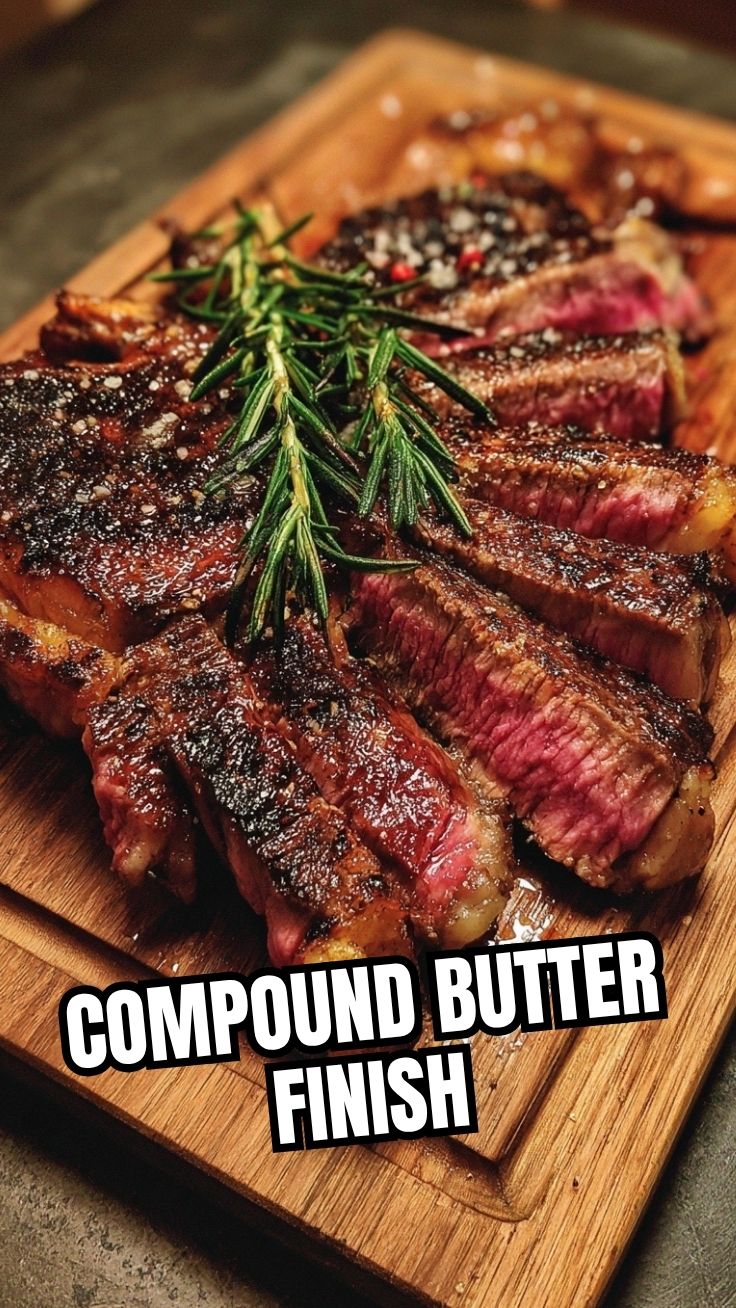
- Flavor Boosts: Experiment with different herbs like sage or oregano. A pinch of red pepper flakes can add a subtle kick. Consider a compound butter with blue cheese or chimichurri for an elevated finish.
- Doneness Preferences: For a more well-done steak, you can finish it in the oven after searing. Transfer the skillet to a preheated 400°F (200°C) oven until it reaches your desired internal temperature.
- Alternative Cooking Methods: While pan-searing is king for crust, you can also grill a ribeye for a smoky flavor or reverse-sear it for incredible tenderness.
- Ingredient Swaps: No fresh herbs? A pinch of dried herbs can still add flavor, though fresh is preferred.
- Portion Control: A 12-16 oz ribeye is often enough for two servings, especially when paired with hearty sides.
Common Mistakes to Avoid
- Not Patting the Steak Dry: Moisture creates steam, which prevents a proper sear and a crispy crust. Always pat it thoroughly dry.
- Cold Steak: Cooking a cold steak directly from the fridge results in uneven cooking. Allow it to come to room temperature.
- Under-Seasoning: Don’t be shy with salt and pepper! They are crucial for flavor.
- Overcrowding the Pan: If cooking multiple steaks, work in batches to avoid lowering the pan temperature and steaming the meat.
- Flipping Too Often: Resist the urge to constantly flip. Let the steak develop a beautiful crust on each side.
- Not Resting the Steak: This is arguably the most critical step for tenderness. Skipping it results in dry, tough meat as the juices escape when cut.
Storage & Meal Prep Tips
Leftover Steak (Pan-Seared Ribeye) can be a delicious addition to various meals. Store cooked and cooled steak in an airtight container in the refrigerator for up to 3-4 days. While you can freeze cooked steak, it may lose some tenderness upon reheating. To reheat, gently warm in a skillet over low heat or slice thinly and add to warm salads or sandwiches. Avoid high heat, as it can make the steak tough.
Conclusion
Mastering the perfect pan-seared ribeye at home is an incredibly rewarding culinary skill. By following these detailed instructions, from proper seasoning and high-heat searing to the crucial resting period, you can consistently achieve a succulent, flavorful, and perfectly cooked Steak (Pan-Seared Ribeye). Embrace the art of the perfect sear, and confidentially create a delicious and memorable meal. Go ahead, give your taste buds a treat by trying out the art of perfectly Pan-Seared beef – you won’t regret it! Share your culinary creations and success stories in the comments below!
FAQs
Q1: How do I know when my skillet is hot enough?
A1: A properly preheated skillet will show wisps of smoke from the oil. If you drop a bead of water, it should immediately evaporate with a sizzling sound.
Q2: Can I use olive oil instead of high smoke point oil?
A2: It’s not recommended. Olive oil has a lower smoke point and will likely burn, imparting a bitter flavor to your steak. Stick to oils like avocado, grapeseed, or canola.
Q3: What if I don’t have a meat thermometer?
A3: While a thermometer is highly recommended for accuracy, you can use the “touch test” (comparing the firmness of the steak to different parts of your hand). However, this requires practice and is less reliable.
Q4: My steak is tough. What went wrong?
A4: Common culprits for tough steak include not resting it long enough, cooking it past your desired doneness, or not slicing against the grain.
Q5: Can I season the steak overnight?
A5: Yes, a “dry brine” by salting the steak heavily and refrigerating it uncovered overnight can further tenderize the meat and enhance flavor. Just remember to pat it dry before searing.