The Ultimate Guide to Crafting a Perfect Recipe: A Hearty Winter Warmer
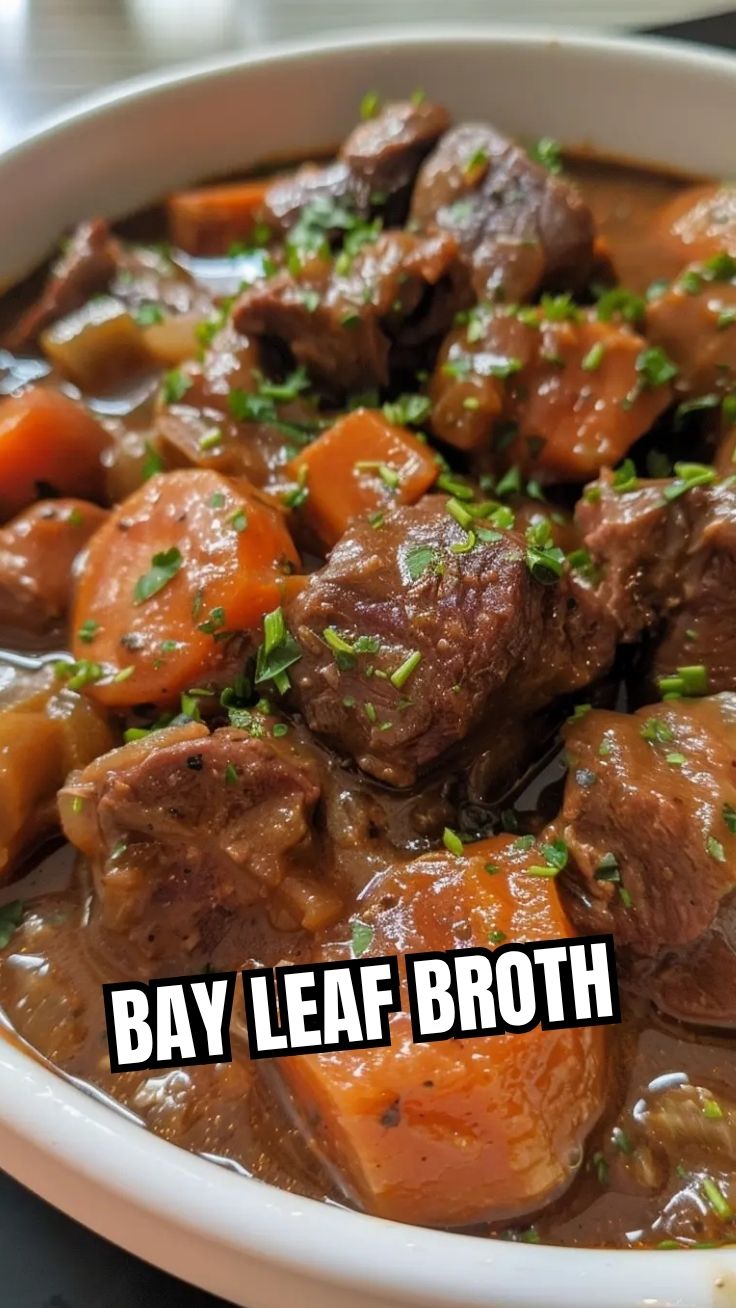
Ever wonder how to create a dish that not only warms the soul but also fills your home with an irresistible aroma? Today, we’re diving deep into the art of making the most comforting and flavorful Beef Stew. This isn’t just about following a set of instructions; it’s about transforming simple ingredients into a rich, savory masterpiece that your family will rave about. Preparing this classic dish at home allows you to control every element, ensuring fresh, wholesome ingredients and a taste tailored to your preferences, far superior to any store-bought alternative. This comprehensive guide will walk you through every step, ensuring your homemade creation is a triumph.
Ingredients & Kitchen Tools
To embark on this culinary journey, gather the following:
Ingredients:
2 lbs Boneless Beef Chuck: Cut into 1-inch cubes. This cut is ideal for stewing, becoming incredibly tender with long, slow cooking.*
1 tbsp Olive Oil: For searing the beef. Adds a foundational flavor and helps achieve a beautiful crust.*
1 large Onion: Diced. Sweetens as it cooks, adding depth to the base.*
2 Carrots: Peeled and chopped into large pieces. Contributes sweetness and essential nutrients.*
2 Celery Stalks: Chopped. Adds aromatic complexity and a subtle savory note.*
3-4 cloves Garlic: Minced. A flavor powerhouse, crucial for a robust stew.*
1 cup Dry Red Wine (optional): Such as Cabernet Sauvignon or Merlot. Deepens the flavor profile and helps deglaze the pot. If omitting, use extra beef broth.*
4 cups Beef Broth: Low sodium is preferred. Forms the liquid base and infuses the stew with savory goodness.*
14.5 oz Can Diced Tomatoes: Undrained. Adds acidity and a touch of sweetness, balancing the richness.*
1 tbsp Tomato Paste: Concentrated tomato flavor. Boosts umami and thickens slightly.*
1 tsp Dried Thyme: Earthy and aromatic, a classic pairing with beef.*
1 Bay Leaf: Adds a subtle, herbaceous note that rounds out the flavors.*
2 lbs Potatoes: Yukon Gold or Russet, peeled and cut into 1-inch cubes. Starchy goodness that thickens the stew and makes it extra comforting.*
1/4 cup All-Purpose Flour (optional): For thickening. Creates a richer, more substantial gravy.*
Salt and Freshly Ground Black Pepper: To taste. Essential for seasoning throughout the cooking process.*
Fresh Parsley: Chopped, for garnish. Adds a pop of color and fresh flavor at the end.*
Kitchen Tools:
Large Dutch Oven or Heavy-Bottomed Pot: Ideal for even heat distribution and slow simmering.*
Cutting Board and Sharp Knife: For safely preparing ingredients.*
Measuring Cups and Spoons: For accurate ingredient proportions.*
Wooden Spoon or Spatula: For stirring and scraping the bottom of the pot.*
Prep Time & Cooking Schedule
- Prep Time: 30 minutes (This includes chopping all vegetables and cubing the beef).
- Cook Time: 2-3 hours (Slow simmering is key to tender beef and harmonized flavors).
- Resting Time: 10 minutes (Allowing the stew to rest off the heat lets the flavors meld further and thickens the broth slightly).
Plan your cooking session accordingly. This dish is perfect for a Sunday afternoon, allowing ample time for the flavors to develop slowly and beautifully. The aroma alone will be worth the wait!
Step-by-Step Instructions
1. Sear the Beef: Pat the beef cubes dry with paper towels. Season generously with salt and pepper. Heat olive oil in your Dutch oven over medium-high heat. Brown the beef in batches, ensuring not to overcrowd the pot. This develops a crucial flavor crust. Remove the seared beef and set aside.
2. Sauté Aromatics: Add diced onion, carrots, and celery to the pot. Sauté until softened, about 5-7 minutes. Stir in the minced garlic and cook for another minute until fragrant.
3. Deglaze (Optional): If using, pour in the red wine, scraping up any browned bits from the bottom of the pot. Cook until the wine has mostly evaporated. This step adds immense depth to your Beef Stew.
4. Combine Ingredients: Return the seared beef to the pot. Add beef broth, diced tomatoes (undrained), tomato paste, dried thyme, and bay leaf. Bring to a simmer, then reduce heat to low, cover, and cook for 1.5 to 2 hours, or until the beef is fork-tender. Check periodically and stir to prevent sticking.
5. Add Potatoes: Stir in the cubed potatoes. Continue to simmer, covered, for another 30-45 minutes, or until the potatoes are tender.
6. Thicken (Optional): If you desire a thicker consistency for your Recipe, whisk the flour with a few tablespoons of cold water to create a slurry. Stir this into the simmering stew and cook for another 5-10 minutes, until thickened.
7. Season and Serve: Remove the bay leaf. Taste and adjust seasoning with salt and pepper as needed. Garnish with fresh parsley before serving.
Nutritional Benefits & Advantages
This hearty stew is a nutritional powerhouse. Beef chuck provides essential protein, iron, and B vitamins crucial for energy and muscle health. The abundance of vegetables—carrots, celery, onions, and potatoes—contributes a wealth of vitamins, minerals, and dietary fiber, supporting digestion and overall well-being. It’s a satisfying, balanced meal that keeps you feeling full and nourished, especially during colder months.
Tips Variations & Cooking Advice
- Flavor Boost: A splash of Worcestershire sauce or balsamic vinegar can add another layer of savory complexity.
- Herb Variations: Experiment with dried rosemary or a sprig of fresh thyme tied with kitchen twine for different aromatic profiles.
- Vegetable Swaps: Feel free to add parsnips, mushrooms, or green beans during the last 30 minutes of cooking.
- Slow Cooker Method: For an effortless approach, sear the beef and sauté the aromatics, then transfer all ingredients (except flour; add a cornstarch slurry at the end if thickening) to a slow cooker. Cook on low for 6-8 hours or high for 3-4 hours.
- Dietary Adaptations: For a gluten-free version, omit the flour or use a gluten-free thickener like cornstarch. For a dairy-free stew, no changes are needed as this recipe is naturally dairy-free.
Common Mistakes to Avoid
- Overcrowding the Pot: When searing beef, cook in batches to ensure proper browning. Overcrowding steams the meat instead of searing it, leading to less flavor.
- Undercooked Beef: Beef stew requires patience. The chuck needs ample time to break down and become meltingly tender. Don’t rush this step.
- Too Much Liquid: While you want a hearty, saucy stew, too much liquid can dilute the flavors. Stick to the suggested liquid amounts and adjust only if necessary.
- Skipping the Searing: Searing the beef is crucial for developing deep, rich flavors through the Maillard reaction. Don’t skip it!
Storage & Meal Prep Tips
Leftover Beef Stew tastes even better the next day as the flavors continue to meld.
- Refrigeration: Store cooled stew in an airtight container in the refrigerator for up to 3-4 days.
- Freezing: For longer storage, transfer cooled stew to freezer-safe containers or bags. It freezes beautifully for up to 3 months. Thaw overnight in the refrigerator before reheating.
- Reheating: Gently reheat on the stovetop over medium-low heat, stirring occasionally, or in the microwave until heated through. Add a splash of broth or water if it seems too thick.
Conclusion
Crafting the perfect, soul-satisfying Beef Stew is a rewarding culinary experience. By following this detailed guide, you’re not just making a meal; you’re creating comfort, warmth, and delicious memories. This comprehensive Recipe ensures tender beef, perfectly cooked vegetables, and a rich, flavorful broth that will impress even the most discerning palates. Don’t hesitate to try this ultimate winter warmer at home – your taste buds will thank you! We encourage you to try this recipe, share your results in the comments below, or explore our other comforting recipes.
FAQs
Q1: Can I make this stew in a slow cooker?
A1: Absolutely! Sear the beef and sauté the aromatics as directed, then transfer all ingredients to your slow cooker. Cook on low for 6-8 hours or high for 3-4 hours. You can thicken it with a cornstarch slurry at the end if desired.
Q2: What’s the best type of potato to use for stew?
A2: Waxy potatoes like Yukon Gold hold their shape better during long cooking, while starchy potatoes like Russet will break down more, helping to thicken the stew. A mix of both can offer the best of both worlds.
Q3: How can I make my stew broth richer?
A3: Ensure you properly sear the beef, use quality beef broth, and consider adding tomato paste or a splash of red wine for deeper umami notes. Slow simmering is also key to flavor concentration.
Q4: My stew is too thin, how can I thicken it?
A4: You can create a slurry by whisking 1-2 tablespoons of flour or cornstarch with an equal amount of cold water until smooth. Stir this into your simmering stew and cook for another 5-10 minutes, or until it reaches your desired thickness.
Q5: Can I add other vegetables?
A5: Yes! Feel free to customize with vegetables like parsnips, mushrooms, or green beans. Add denser vegetables (like parsnips) with the potatoes, and more tender ones (like mushrooms or green beans) during the last 15-20 minutes of cooking.