Unleash the Flavor Fiesta: Crafting the Perfect Homemade Salsa from Scratch!
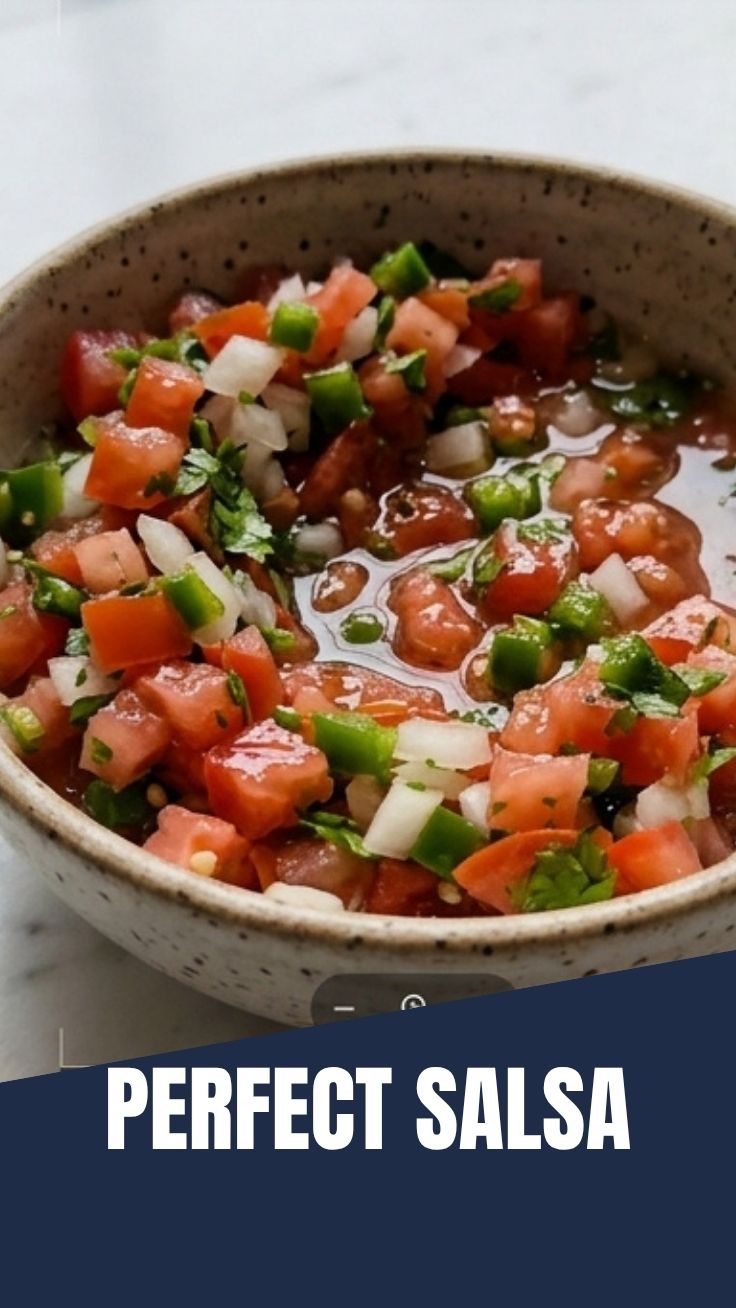
Ever wondered how to capture that vibrant, fresh explosion of flavor you crave in a homemade Salsa? Forget those store-bought jars! Preparing this quintessential condiment at home isn’t just about taste; it’s about crafting an experience. Imagine the aroma of sun-ripened tomatoes and fragrant cilantro filling your kitchen as you transform simple ingredients into a culinary masterpiece. This guide will help you create a Salsa that’s incomparably fresh and bursting with authentic zest, perfect for dipping, topping, or even inspiring a spontaneous Salsa dance in your kitchen. Beyond the unparalleled taste, making your own Salsa allows you to control the spice level, seasoning, and texture, ensuring it perfectly suits your palate and dietary preferences. Get ready to elevate your culinary game and perhaps even feel the rhythm of a Salsa dance as you chop and blend!
Ingredients & Kitchen Tools
Gather your culinary arsenal for this flavorful journey:
- Ripe Tomatoes (1.5 lbs, e.g., Roma, Plum, or vine-ripened): The backbone of our Salsa. Aim for firm, red tomatoes with a sweet aroma.
- Red Onion (1/2 medium): Adds a sharp, pungent bite and beautiful color. White or yellow onions can be substituted for a milder flavor.
- Jalapeño Pepper (1-2, to taste): Provides a pleasant heat. Remove seeds and membranes for less spice; leave them in for more.
- Fresh Cilantro (1/2 cup, packed): Essential for that classic fresh, herbaceous aroma. If you’re not a fan, flat-leaf parsley can be a mild substitute.
- Lime (1, juiced): Brightens flavors and adds a crucial tangy note.
- Garlic (2 cloves, minced): Aromatic foundation.
- Salt (1/2 – 1 teaspoon, to taste): Enhances all other flavors. Kosher or sea salt are preferred.
- Cumin (1/4 teaspoon, optional): Adds an earthy depth.
- Sugar (1/2 teaspoon, optional): Balances acidity, especially with less sweet tomatoes.
- Food Processor or Blender: For a smoother Salsa. A sharp knife and cutting board are sufficient for a chunkier style.
- Large Mixing Bowl: For combining ingredients.
- Measuring Spoons & Cups: For accurate ingredient proportions.
Prep Time & Cooking Schedule
- Prep Time: 15-20 minutes (chopping, mincing, juicing)
- Resting Time: 30 minutes (minimum, for flavors to meld)
- Total Time: Approximately 45-50 minutes
Plan to make your Salsa at least 30 minutes before serving. The resting time allows the flavors to deepen and intertwine, resulting in a more harmonious and delicious condiment. For optimal flavor, aim for an hour or even overnight chilling.
Step-by-Step Instructions
1. Prepare the Aromatics: Begin by finely dicing your red onion and mincing the garlic cloves. For the jalapeño, wearing gloves is recommended. Slice it in half lengthwise, remove seeds and membranes for a milder heat, then finely dice.
2. Chop the Tomatoes: Wash your tomatoes thoroughly. Depending on your preference for chunkiness, you can either finely dice them by hand for a rustic Salsa or roughly chop them if you plan to use a food processor. Dicing them small allows for more consistent blending and flavor distribution when creating the perfect texture for a vibrant Salsa.
3. Process or Combine Ingredients:
* For a Chunky Salsa: In a large mixing bowl, combine the diced tomatoes, red onion, jalapeño, minced garlic, and finely chopped fresh cilantro.
* For a Smoother Salsa: Add the chopped tomatoes, red onion, jalapeño, garlic, and most of the cilantro to your food processor. Pulse several times until you reach your desired consistency. Be careful not to over-process, as you want texture, not soup!
4. Season and Adjust: Squeeze in the fresh lime juice. Add salt, cumin (if using), and sugar (if using). Stir everything thoroughly to combine all the ingredients. Taste and adjust seasonings – you might need more salt, a touch more lime, or extra spice from another pinch of jalapeño or a dash of hot sauce. The harmonious balance of sweet, sour, salty, and spicy is what makes for a memorable Salsa, enticing enough to make anyone want to Salsa dance!
5. Rest and Serve: Cover your Salsa and refrigerate for at least 30 minutes (or ideally longer) before serving. This resting period allows the flavors to meld beautifully. Serve with tortilla chips, as a topping for tacos, grilled meats, or eggs.
Nutritional Benefits & Advantages
Homemade Salsa is not just delicious; it’s a nutritional powerhouse! Tomatoes are rich in lycopene, a potent antioxidant, and Vitamin C. Onions and garlic offer immune-boosting compounds. Jalapeños contain capsaicin, which has been linked to metabolism support. With minimal added fats and sugars (unless you choose to add them), this vibrant condiment is a low-calorie, nutrient-dense addition to almost any meal. It’s an excellent way to increase your vegetable intake and add flavor without excess sodium or artificial ingredients often found in store-bought versions.
Tips, Variations & Cooking Advice
- Roast Your Veggies: For a smoky depth, roast your tomatoes, onions, garlic, and jalapeños before blending. This intensifies their natural sweetness and adds a char.
- Add Fruit: Incorporate diced mango, pineapple, or corn for a sweeter, fruitier Salsa.
- Spice It Up: For extra heat, add a pinch of cayenne pepper, a dash of your favorite hot sauce, or swap jalapeños for serrano peppers.
- Herb Variations: Experiment with other herbs like oregano or a tiny amount of fresh mint for a unique twist.
- Consistency Control: For a drier Salsa, you can deseed and remove excess liquid from your tomatoes before chopping. For a thinner sauce, a little water or low-sodium vegetable broth can be added.
- Dietary Adaptations: This Salsa is naturally gluten-free and vegan. Ensure your serving accompaniments (like chips) meet your specific dietary needs.
Common Mistakes to Avoid
- Over-processing: If using a food processor, pulse in short bursts. Over-processing will turn your Salsa into a watery puree.
- Not tasting: Always taste your Salsa before serving. Seasoning is subjective; adjust salt, lime, and spice as needed.
- Under-seasoning: A bland Salsa is a sad Salsa. Don’t be shy with salt and lime juice, as they awaken all the other flavors.
- Skipping the resting time: This is crucial! Give the flavors time to develop and meld for the best result.
- Ignoring fresh ingredients: The quality of your produce directly impacts the taste. Use ripe, fresh tomatoes and vibrant cilantro.
Storage & Meal Prep Tips
Store your homemade Salsa in an airtight container in the refrigerator for up to 5-7 days. The flavors tend to deepen after the first day, often making it even better. While fresh Salsa is best, you can freeze it in small portions (e.g., in ice cube trays then transferred to a freezer bag) for longer storage, up to 2-3 months. Note that freezing may alter the texture slightly, making it softer when thawed, but the flavor will remain excellent for cooking or blending into sauces. Thaw overnight in the refrigerator before use.
Conclusion
Crafting your own fresh, homemade Salsa is a deeply rewarding experience, offering an unmatched burst of flavor and control over every ingredient. From the vibrant zest of ripe tomatoes and piquant jalapeños to the fresh burst of cilantro, this recipe guarantees a condiment that will elevate any dish. It’s a simple pleasure that delivers huge returns in taste and nutrition, and a true testament to the power of fresh, simple ingredients. So go ahead, whip up a batch, invite friends over, and let the lively flavors inspire a joyful kitchen atmosphere, perhaps even leading to a spontaneous Salsa dance! We encourage you to try this recipe and share your culinary creations with us. What are your favorite additions to homemade Salsa?
FAQs
Q1: Can I make this Salsa without a food processor?
A1: Absolutely! You can achieve a chunkier, more rustic Salsa by finely dicing all ingredients by hand. A sharp knife is your best friend here.
Q2: How can I adjust the spice level?
A2: For less heat, remove all seeds and membranes from the jalapeño. For more heat, leave some or all in, or add an extra jalapeño, a serrano pepper, or a pinch of cayenne.
Q3: My Salsa tastes too watery. What went wrong?
A3: This often happens if tomatoes are overly ripe and juicy, or if you over-processed them. To prevent this, deseed extra juicy tomatoes, or try to use firmer varieties like Roma. If it’s already watery, straining some of the liquid through a fine-mesh sieve can help.
Q4: Can I use canned tomatoes for this recipe?
A4: While fresh tomatoes are ideal for the best flavor and texture, good quality canned diced tomatoes (drained well) can be used as a substitute, especially when fresh produce isn’t in season. Just be aware the flavor profile will be different.
Q5: What are some good pairings for this homemade Salsa?
A5: Beyond classic tortilla chips, this Salsa is fantastic with tacos, burritos, grilled chicken or fish, scrambled eggs, enchiladas, or as a vibrant topping for avocado toast.