Elevate Your Dinner: Mastering the Art of Perfect Roasted Carrots
Tired of bland, uninspired side dishes? What if we told you that a humble root vegetable could be transformed into a culinary masterpiece, bursting with flavor and tantalizing textures? Preparing perfect Roasted Carrots at home isn’t just about cooking; it’s about unlocking the inherent sweetness and versatility of a staple ingredient, making every meal a little more special. This guide will walk you through creating an irresistible side that will become a family favorite, perhaps even venturing into the delightful territory of Honey Roasted Carrots. Forget complicated techniques; we’re focusing on simple steps that yield extraordinary results and truly highlight the best of this vibrant vegetable.
Ingredients & Kitchen Tools
To embark on your journey to perfect Roasted Carrots, gather these essentials:
- 1 ½ lbs Carrots: Preferably medium-sized, organic if possible, for the best flavor. Look for firm, bright orange carrots.
- 2-3 tbsp Olive Oil: Extra virgin olive oil for a rich, fruity note that withstands high heat.
- ½ tsp Sea Salt: Fine-grain sea salt for even distribution and enhanced flavor.
- ¼ tsp Black Pepper: Freshly ground black pepper for a pungent kick.
* 1-2 sprigs Fresh Thyme or Rosemary: Adds an aromatic, earthy depth.
* 1-2 tbsp Honey or Maple Syrup: For a touch of elegant sweetness, ideal for Honey Roasted Carrots.
* ½ tsp Garlic Powder or 2 cloves Minced Garlic: For a savory boost.
* Pinch of Smoked Paprika: Adds a subtle smoky flavor and beautiful color.
Kitchen Tools:
- Large Baking Sheet: A sturdy sheet pan (approx. 13×18 inches) provides ample space for even roasting.
- Parchment Paper or Silicone Mat: Prevents sticking and makes cleanup a breeze.
- Vegetable Peeler: For efficiently removing the outer skin of the carrots.
- Sharp Knife: For trimming and cutting carrots into uniform pieces.
- Large Mixing Bowl: To toss carrots with oil and seasonings.
- Tongs or Spatula: For flipping and moving carrots during roasting.
Prep Time & Cooking Schedule
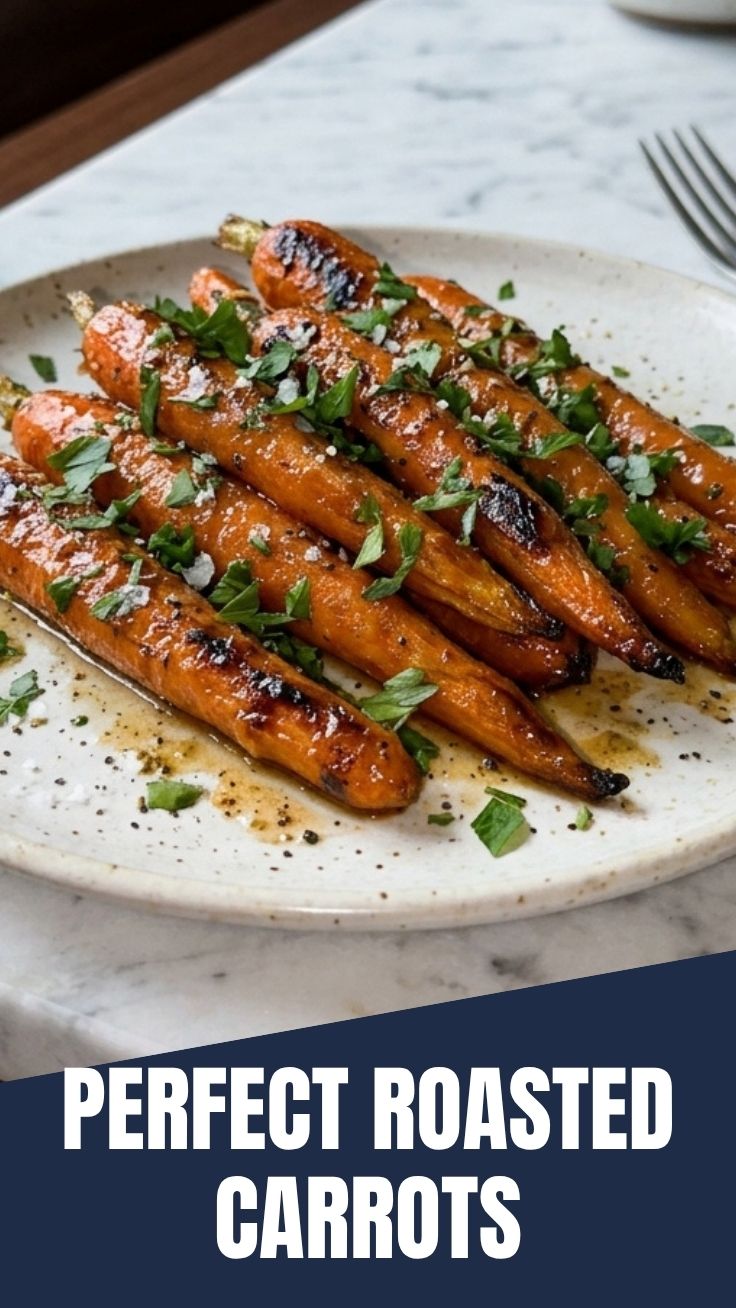
Our goal is efficiency without compromising flavor. This recipe is designed to be a quick and rewarding addition to any meal.
- Prep Time: 10-15 minutes (Includes peeling, trimming, and seasoning).
- Cook Time: 20-30 minutes (Depending on carrot thickness and desired tenderness).
- Resting Time: 2-3 minutes (Allows flavors to meld and carrots to cool slightly before serving).
Total Time: Approximately 35-50 minutes. This makes it an ideal side dish for weeknight dinners or a fantastic addition to a more elaborate Sunday roast.
Step-by-Step Instructions
Achieving perfectly tender, caramelized Roasted Carrots is straightforward with these steps. If you’re aiming for Honey Roasted Carrots, the slight adjustment is easily incorporated.
1. Preheat & Prep: Preheat your oven to 400°F (200°C). Line a large baking sheet with parchment paper or a silicone mat for easy cleanup.
2. Clean & Cut Carrots: Wash, peel, and trim the ends of your carrots. For uniform roasting, cut larger carrots in half lengthwise, then into 2-3 inch pieces. Aim for pieces of similar size to ensure even cooking. Smaller carrots can be left whole or halved.
3. Season Generously: In a large mixing bowl, combine the cut carrots with olive oil, sea salt, and black pepper. If making Honey Roasted Carrots, now is the time to add the honey or maple syrup along with any other optional seasonings like fresh herbs or garlic powder. Toss everything gently until the carrots are evenly coated.
4. Arrange and Roast: Spread the seasoned carrots in a single layer on the prepared baking sheet. Avoid overcrowding, as this will steam rather than roast them, preventing proper caramelization. If necessary, use two baking sheets.
5. Roast to Perfection: Roast for 20-30 minutes, flipping the carrots halfway through, until they are tender-crisp and lightly caramelized at the edges. Cooking times may vary based on your oven and carrot thickness. They should be fork-tender and slightly browned.
6. Serve Hot: Transfer the perfectly cooked carrots to a serving dish and enjoy immediately!
Nutritional Benefits & Advantages
Beyond their delicious taste, Roasted Carrots are a nutritional powerhouse. They are an excellent source of beta-carotene, which the body converts to Vitamin A, essential for good vision, immune function, and skin health. Carrots also provide a good amount of fiber, aiding in digestion and promoting satiety. They offer antioxidants that help fight free radicals, and essential minerals like potassium and Vitamin K. Preparing them at home allows you to control the amount of oil and seasonings, making them a healthy and flavorful addition to any diet. Even with the addition of honey in Honey Roasted Carrots, the overall nutritional profile remains impressive, offering a natural source of energy.
Tips, Variations & Cooking Advice
- Flavor Boosts: Experiment with different herbs like fresh rosemary, dill, or even a sprinkle of cumin or coriander for an international twist. A squeeze of fresh lemon juice or a balsamic glaze drizzle after roasting can also brighten the flavors.
- Sweet & Spicy: For a delightful kick, add a pinch of red pepper flakes or a touch of sriracha to your Honey Roasted Carrots.
- Dietary Adaptations: This recipe is naturally gluten-free and easily made vegan. For a dairy-free option, ensure your butter (if using as an alternative to olive oil) is plant-based.
- Batch Cooking: Double the recipe for meal prep. Roasted carrots store well and can be added to salads, grain bowls, or as a quick side for future meals.
Common Mistakes to Avoid
- Overcrowding the Pan: This is the most common mistake! Carrots need space to roast and caramelize. If they’re too close, they’ll steam and become mushy instead of tender-crisp. Use two baking sheets if necessary.
- Unevenly Cut Carrots: Pieces of varying sizes will cook at different rates, leading to some being overcooked and others undercooked. Take a moment to cut them uniformly.
- Under-Seasoning: Don’t be shy with the salt and pepper. Carrots can handle a good amount of seasoning. Taste and adjust if necessary.
- Not Flipping: While not strictly necessary, flipping halfway through ensures even browning and caramelization on all sides.
Storage & Meal Prep Tips
Leftover Roasted Carrots are fantastic for meal prep!
- Refrigeration: Store cooled roasted carrots in an airtight container in the refrigerator for up to 3-4 days.
- Freezing: While possible, freezing can alter their texture slightly, making them a bit softer upon reheating. If you choose to freeze, cool completely, then spread on a baking sheet to flash freeze for an hour before transferring to a freezer-safe bag or container for up to 2-3 months.
- Reheating: Reheat in a preheated oven at 350°F (175°C) for 10-15 minutes, or in a microwave until warmed through. Oven reheating will help maintain a crispier texture.
Conclusion
Mastering Roasted Carrots is a culinary triumph that will undoubtedly elevate your side dish game. This simple yet incredibly versatile recipe offers a perfect balance of natural sweetness and savory depth, making it a go-to for any occasion. Whether you stick to the classic version or indulge in the delightful notes of Honey Roasted Carrots, you’re guaranteed a delicious and nutritious addition to your table. We encourage you to try this recipe tonight and experience the magic of perfectly roasted vegetables. Share your results in the comments below!
FAQs
Q: Can I use baby carrots for this recipe?
A: Yes, baby carrots work well! No need to peel them, but adjust roasting time as they are much smaller and will cook faster (typically 15-20 minutes).
Q: How do I prevent my carrots from getting mushy?
A: The key is to avoid overcrowding the baking sheet and to roast them at a high temperature. Spacing them out allows for proper caramelization rather than steaming.
Q: Can I add other vegetables to roast with the carrots?
A: Absolutely! Root vegetables like potatoes, parsnips, or even Brussels sprouts roast well alongside with similar cooking times. Just ensure all vegetables are cut to a similar size for even cooking.
Q: What if I don’t have fresh herbs?
A: Dried herbs can be used, but in smaller quantities. A good rule of thumb is to use 1/3 the amount of dried herbs compared to fresh. For example, 1/2 teaspoon of dried thyme instead of 1 1/2 teaspoons fresh.
Q: How do I know when the carrots are perfectly roasted?
A: They should be tender when pierced with a fork but still have a slight crispness or ‘bite’ to them. The edges should also show some pleasant browning and caramelization.