Creamy & Dreamy: Unlocking the Secret to the Perfect Potato Salad at Home
Ever wondered how to make a Potato Salad that truly stands out? That creamy, tangy, and utterly satisfying side dish that brings everyone back for seconds? Crafting this culinary classic at home isn’t just about mixing ingredients; it’s about creating a memorable experience, a dish that evokes comfort and joy. Forget store-bought tubs and embrace the reward of a homemade Potato Salad, where you control every nuance of flavor and texture. And while we’re focusing on this creamy delight, let’s not forget its equally delicious cousin, the German Potato Salad, which offers a different but equally rewarding culinary journey. The value of preparing such a staple from scratch lies in the ability to personalize it, ensuring it perfectly complements your next BBQ or family gathering.
Ingredients & Kitchen Tools
To embark on your Potato Salad adventure, gather these essentials:
- Potatoes (2 lbs, Russet or Yukon Gold): Starchy potatoes are ideal for a creamy texture, holding their shape without becoming mushy.
- Mayonnaise (1 cup): The backbone of our creamy dressing. Use good quality for best flavor.
- Celery (2 stalks, finely diced): Adds a crucial crunch and fresh flavor.
- Red Onion (1/2, finely diced): Provides a sharp, piquant flavor, balancing the richness.
- Hard-boiled Eggs (3-4, chopped): A classic addition, offering a subtle richness and texture.
- Dijon Mustard (1 tbsp): Elevates the tang and adds depth compared to regular yellow mustard.
- White Vinegar (1 tbsp): Brightens the flavors and prevents the salad from being too heavy.
- Fresh Dill (2 tbsp, chopped): Aromatic herb that pairs perfectly with potatoes and creamy dressings.
- Salt & Freshly Ground Black Pepper: To taste, essential for seasoning every layer.
- Optional Substitutions: Replace red onion with green onions for a milder flavor, or add a pinch of smoked paprika for a smoky twist. For a healthier take, use Greek yogurt instead of some mayonnaise.
Kitchen Tools:
- Large Pot: For boiling potatoes.
- Large Mixing Bowl: To combine all ingredients.
- Cutting Board & Sharp Knife: For prepping vegetables and eggs.
- Measuring Cups & Spoons: For accurate ingredient ratios.
- Whisk: For emulsifying the dressing.
- Rubber Spatula: For gentle mixing.
Prep Time & Cooking Schedule
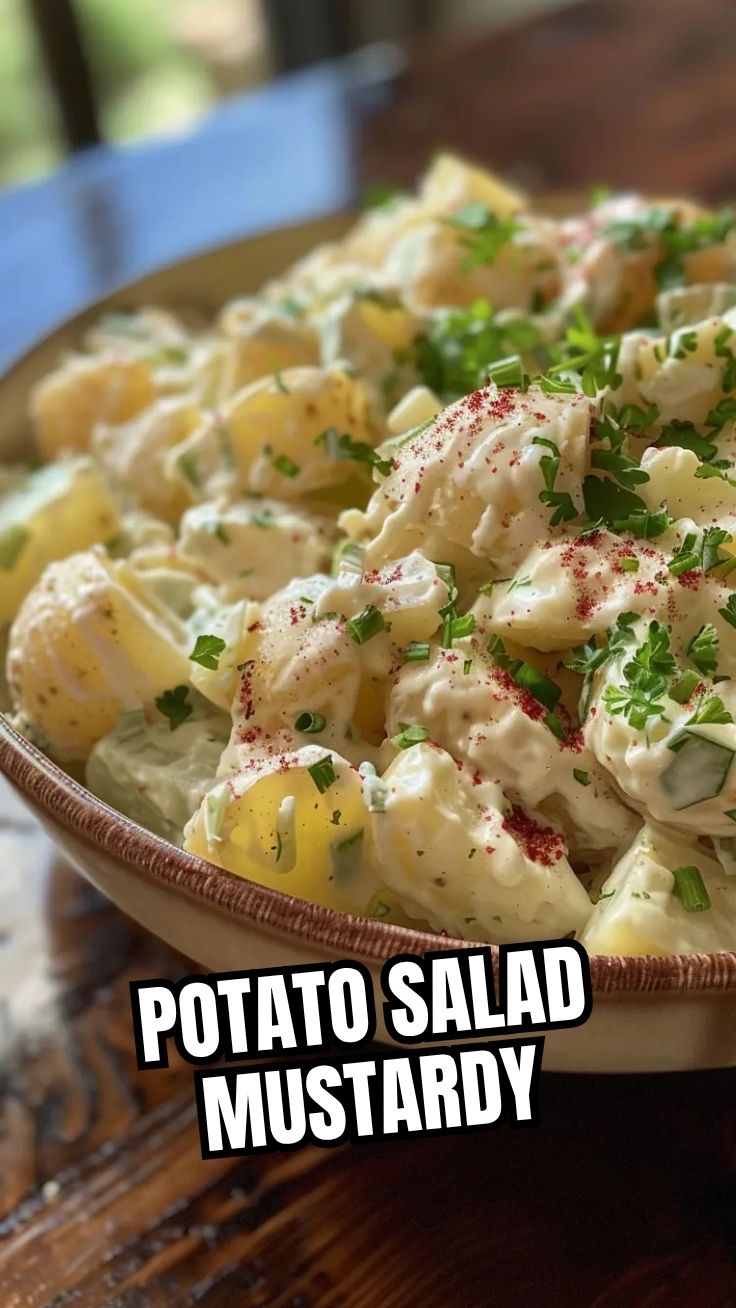
- Prep Time: 20 minutes (slicing, dicing, chopping)
- Cook Time: 15-20 minutes (boiling potatoes)
- Resting Time: At least 2 hours (chilling in the refrigerator)
Plan your time accordingly, especially for the chilling phase. The resting time is crucial for the flavors to meld and for the salad to develop its characteristic creaminess. Start early if you’re serving it for a meal.
Step-by-Step Instructions
1. Prepare the Potatoes: Wash and peel your chosen potatoes. Cut them into 1-inch cubes to ensure even cooking. Place them in a large pot and cover with cold, salted water (like the sea!). Bring to a boil, then reduce heat and simmer until fork-tender but not mushy (about 15-20 minutes). Drain well and let them cool slightly. Tip: Cooling slightly before mixing prevents the dressing from thinning out.
2. Dice Your Veggies: While the potatoes cook, finely dice the celery and red onion. Chop your hard-boiled eggs.
3. Whip Up the Dressing: In your large mixing bowl, combine the mayonnaise, Dijon mustard, white vinegar, chopped fresh dill, salt, and pepper. Whisk until smooth and well combined. Taste and adjust seasonings as needed; this is your chance to personalize the tang and zest!
4. Assemble the Salad: Gently add the slightly cooled potatoes, diced celery, red onion, and chopped hard-boiled eggs to the dressing. Fold everything together carefully with a rubber spatula to avoid breaking up the potatoes too much. We’re aiming for creamy chunks, not a mash!
5. Chill and Serve: Cover the bowl and refrigerate for at least 2 hours, or ideally overnight, allowing the flavors to fully meld and the salad to chill thoroughly. A properly chilled Potato Salad is essential for the best taste, just as a well-marinated German Potato Salad benefits from a similar rest.
Nutritional Benefits & Advantages
This homemade Potato Salad isn’t just delicious; it offers several nutritional perks. Potatoes are a good source of potassium and Vitamin C when cooked properly. Celery adds fiber and essential vitamins, while onions contribute antioxidants. By making it yourself, you control the amount of sodium and unhealthy fats, allowing for a fresher, potentially lighter version. Plus, the eggs provide protein, making it a more balanced side dish.
Tips, Variations & Cooking Advice
- Flavor Boosters: A pinch of smoked paprika, a dash of celery salt, or even a tablespoon of pickle relish can add new dimensions of flavor.
- Herb Power: Experiment with other fresh herbs like chives or parsley for different aromatic profiles.
- Mustard Madness: Try whole grain mustard for a texture contrast and a sharper, more complex flavor.
- Dairy-Free: For a dairy-free option, use a good quality vegan mayonnaise.
- Gluten-Free: This recipe is naturally gluten-free, but always check your mayonnaise label for any hidden gluten if you have severe sensitivities.
- Make Ahead: Potato Salad is perfect for making a day in advance, allowing flavors to deepen.
Common Mistakes to Avoid
- Overcooking Potatoes: Mushy potatoes are the enemy of good Potato Salad. Cook until just tender.
- Not Salting the Water: Potatoes absorb salt during cooking, enhancing their flavor from the inside out. Don’t skip this step.
- Adding Dressing to Hot Potatoes: This can make the dressing too watery and less flavorful. Allow potatoes to cool slightly.
- Under-Seasoning: Taste your dressing before combining and adjust seasonings. It should be vibrant and well-balanced.
- Rushing the Chill Time: The chilling period is crucial for flavors to meld and for the salad to firm up.
Storage & Meal Prep Tips
Leftover Potato Salad should be stored in an airtight container in the refrigerator. It typically stays fresh for 3-4 days. Due to the mayonnaise and fresh ingredients, it’s not recommended for freezing, as the texture will suffer upon thawing. For meal prepping, simply make a larger batch and portion it out into individual containers for easy lunches throughout the week. Always consume chilled.
Conclusion
Mastering the art of homemade Potato Salad is a rewarding culinary journey, offering a taste experience far superior to any store-bought alternative. By following these steps and incorporating our tips, you can create a truly exceptional side dish that will be the star of any gathering. The blend of creamy potatoes, crisp vegetables, and a tangy dressing makes for an unforgettable bite, and it stands proudly alongside its vinegar-based counterpart, the robust German Potato Salad. So, grab your apron, get cooking, and prepare to impress! We encourage you to try this recipe and share your delicious results in the comments below.
FAQs
Q1: Can I use sweet potatoes instead of regular potatoes?
A1: While distinct in flavor and texture, sweet potatoes can be used for a unique twist. They will yield a sweeter, less traditional Potato Salad.
Q2: How long can Potato Salad sit out at room temperature?
A2: Due to mayonnaise, it should not sit out for more than 2 hours at room temperature to prevent spoilage and bacterial growth.
Q3: Can I add bacon to this recipe?
A3: Absolutely! Crispy, crumbled bacon is a fantastic addition, adding a smoky, salty punch that complements the creamy dressing perfectly, much like how bacon often enhances a German Potato Salad.
Q4: My Potato Salad is too dry. What went wrong?
A4: This usually happens if the potatoes absorbed too much dressing, or if not enough dressing was made initially. Try adding a tablespoon or two of milk or a bit more mayonnaise, whisking gently until you reach your desired consistency.
Q5: What’s the best way to prevent the potatoes from breaking apart too much?
A5: Cut potatoes into uniform, larger cubes and avoid overcooking them. Also, use a gentle folding technique with a rubber spatula when mixing the dressing to preserve their shape.