From Home Cooked to Culinary Masterpiece: Unlocking the Secrets to Perfect Mashed Potatoes
Ever wondered if you could transform a humble side dish into the star of your dinner table? Today, we’re diving deep into the art of creating the most ethereal, creamy, and flavorful Mashed Potatoes you’ve ever tasted. Beyond simply boiling and mashing, there’s a world of technique and flavor waiting to be explored. Preparing this quintessential comfort food at home isn’t just about saving money; it’s about crafting an experience, controlling your ingredients, and mastering a fundamental culinary skill that elevates countless meals. And for those eager to expand their repertoire, exploring various potato recipes can open up a whole new realm of delicious possibilities.
Ingredients & Kitchen Tools
- 2 lbs Russet or Yukon Gold Potatoes: These starchy varieties are ideal for fluffy mashed potatoes due to their low moisture content. Russets offer a classic mealy texture, while Yukon Golds provide a creamier, naturally buttery flavor.
- 1/2 cup Whole Milk (warm): Adds creaminess and helps achieve the desired consistency without cooling down the potatoes too much.
- 1/4 cup Unsalted Butter (melted or softened): Essential for rich flavor and luxurious texture. Unsalted allows you to control the sodium.
- 1-2 cloves Garlic (minced, optional): For an aromatic depth, infusing the potatoes with subtle savory notes.
- Salt (to taste): Crucial for seasoning the potatoes at various stages.
- Freshly Ground Black Pepper (to taste): Adds a pungent kick and visual appeal.
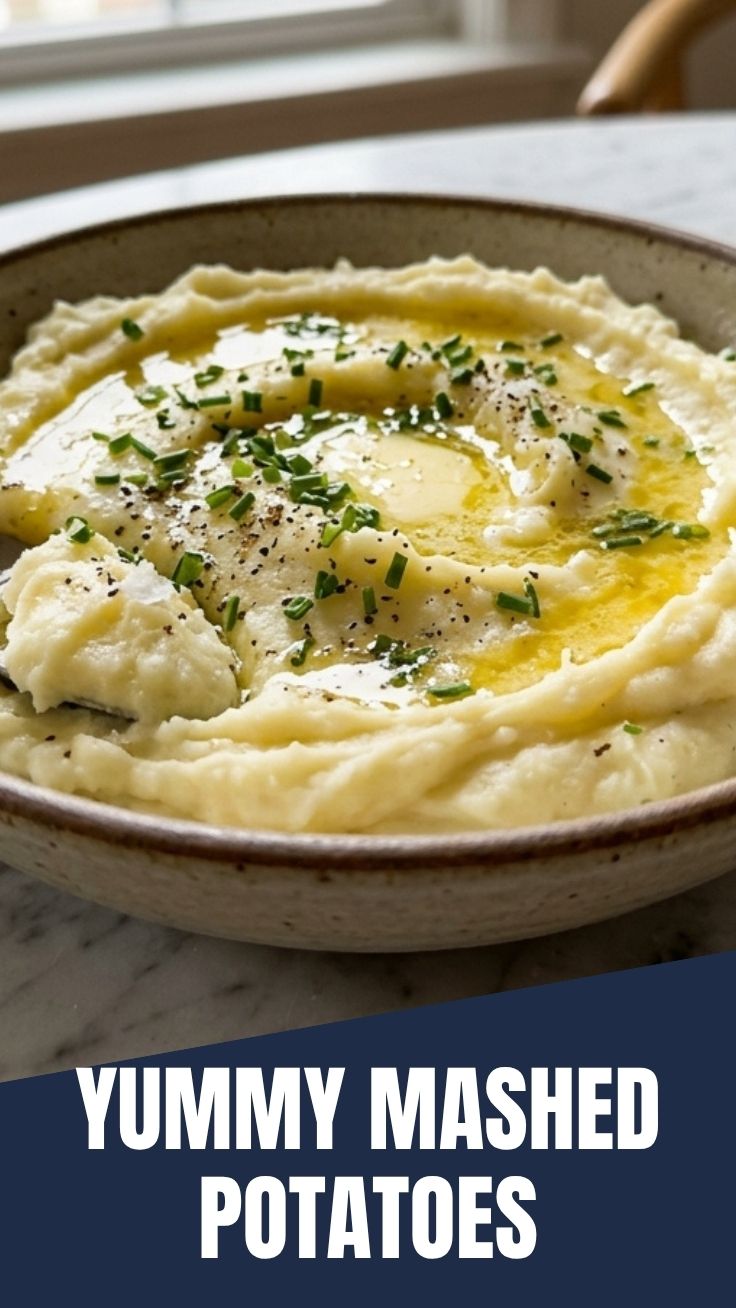
- Fresh Chives or Parsley (chopped, optional): For garnish and a fresh, herbaceous finish.
- Large Pot: For boiling the potatoes.
- Potato Masher, Ricer, or Food Mill: A ricer or food mill is best for incredibly smooth results, while a masher yields a slightly coarser, rustic texture.
- Large Mixing Bowl: For combining and mashing.
- Whisk or Sturdy Spoon: For incorporating ingredients smoothly.
- Measuring Cups and Spoons: For accurate ingredient portions.
Prep Time & Cooking Schedule
- Prep Time: 15 minutes (peeling and dicing potatoes)
- Cook Time: 20-25 minutes (boiling)
- Resting Time: 5 minutes (after drainage, before mashing)
- Total Time: Approximately 40-45 minutes
Plan this delectable side dish to coordinate with your main course. The potatoes can be boiled and mashed just before serving, or prepared slightly ahead and kept warm.
Step-by-Step Instructions
1. Prepare the Potatoes: Peel the potatoes and cut them into 1-inch uniform cubes. This ensures even cooking. Place them in a large pot and cover with cold water by about an inch. Add a generous tablespoon of salt to the water – this seasons the potatoes from the inside out.
2. Boil Until Tender: Bring the water to a boil over high heat, then reduce to a simmer. Cook for 15-20 minutes, or until the potatoes are fork-tender and easily pierced, but not falling apart. Avoid overcooking, as this can lead to watery, gummy results.
3. Drain Thoroughly: Once tender, drain the potatoes thoroughly in a colander. Return the drained potatoes to the empty hot pot over very low heat for 1-2 minutes, shaking occasionally. This crucial step helps evaporate excess moisture, resulting in much fluffier Mashed Potatoes.
4. Mash and Incorporate: Transfer the hot, dry potatoes to a large mixing bowl. Begin to mash them with your preferred tool. If using a ricer or food mill, rice the potatoes directly into the bowl. Once lightly mashed, add the warm milk, melted butter, minced garlic (if using), and seasonings.
5. Achieve Creaminess: Gently fold and mash the ingredients together until just combined and smooth. Be careful not to over-mix, as this can activate the potato starch and lead to a gluey texture. Taste and adjust salt and pepper as needed. For inspiration on pairing, consider how these complement various potato recipes.
6. Serve: Garnish with fresh chives or parsley, if desired, and serve immediately.
Nutritional Benefits & Advantages
Potatoes, often maligned, are a surprisingly nutrient-dense food. They are an excellent source of Vitamin C, a powerful antioxidant, and provide significant amounts of potassium, which is vital for heart health and blood pressure regulation. They also offer dietary fiber (especially if you leave some skin on for more rustic varieties) and B vitamins, contributing to energy metabolism. When prepared as Mashed Potatoes, they offer comforting carbohydrates for sustained energy.
Tips, Variations & Cooking Advice
- Flavor Boosts: Sauté garlic or shallots in butter before adding to the potatoes. Stir in cream cheese, sour cream, or crème fraîche for extra richness and tang.
- Herb Infusion: Add fresh rosemary, thyme, or sage to the butter as it melts for an infused aroma.
- Cheesy Delight: Fold in shredded cheddar, Gruyère, or Parmesan cheese just before serving for a cheesy twist.
- Dairy-Free: Use plant-based milk (almond, oat) and vegan butter for a delicious dairy-free alternative.
- Garlic Roasting: For a deeper, sweeter garlic flavor, roast whole garlic cloves until tender, then squeeze the pulp into the mashed potatoes.
Common Mistakes to Avoid
- Starting in Hot Water: Always start potatoes in cold water. This allows them to cook evenly from the outside in.
- Under-Salting the Water: Potatoes absorb seasoning during boiling; bland cooking water leads to bland potatoes.
- Overcooking: mushy, waterlogged potatoes are impossible to salvage into light and fluffy mashed potatoes.
- Over-mixing: The enemy of fluffy mashed potatoes! Over-mixing develops the potato starches, resulting in a gummy, glue-like consistency. Mash until just combined.
- Using Cold Dairy/Butter: Cold ingredients will cool down your potatoes, making them harder to incorporate smoothly and affecting the final texture. Warm the milk and melt the butter.
Storage & Meal Prep Tips
Leftover Mashed Potatoes can be stored in an airtight container in the refrigerator for up to 3-4 days. To reheat, gently warm them on the stovetop over low heat, adding a splash of milk or broth to restore consistency, stirring frequently. Alternatively, microwave in short bursts, stirring between each, until heated through. Freezing mashed potatoes is possible but can alter the texture slightly, making them a bit grainier. If freezing, opt for smaller portions and thaw in the refrigerator before reheating. These principles apply to many potato recipes as well!
Conclusion
Crafting perfect Mashed Potatoes is a satisfying culinary endeavor that promises a dish far beyond the ordinary. By understanding the right techniques—from choosing the correct potato variety to mastering the delicate art of mashing—you can consistently achieve a side dish that’s rich, creamy, and utterly delicious. Don’t be afraid to experiment with the variations and make this recipe your own. We encourage you to try this recipe, share your delectable results with us, and explore the vast world of potato recipes to further expand your cooking horizons. Happy mashing!
FAQs
Q1: Can I make mashed potatoes ahead of time for a party?
A1: Yes, you can. Prepare them as directed, then transfer to a slow cooker set to “warm” or a heat-safe bowl over a double boiler, stirring occasionally and adding a splash of warm milk or cream if needed to maintain consistency.
Q2: What’s the best way to get super smooth mashed potatoes?
A2: For the smoothest possible mashed potatoes, use a potato ricer or a food mill. These tools push the cooked potatoes through small holes, separating the starch granules without overworking them, resulting in an incredibly airy and lump-free texture.
Q3: My mashed potatoes turned out gummy. What went wrong?
A3: Gummy mashed potatoes are almost always a result of over-mixing. Too much mashing or blending (especially with an electric mixer) activates the potato’s starches, which then release and become gluey. Mash just until combined and creamy.
Q4: Can I use sweet potatoes for this recipe?
A4: While you can mash sweet potatoes, the flavor and texture will be quite different. Sweet potatoes are less starchy and taste sweeter. This recipe specifically targets the fluffy, savory profile of traditional mashed potatoes. For sweet potatoes, you’d typically adjust seasonings and potentially add different flavorings.