Creamy Dream: Whipping Up the Best Lemon Ricotta Pasta at Home
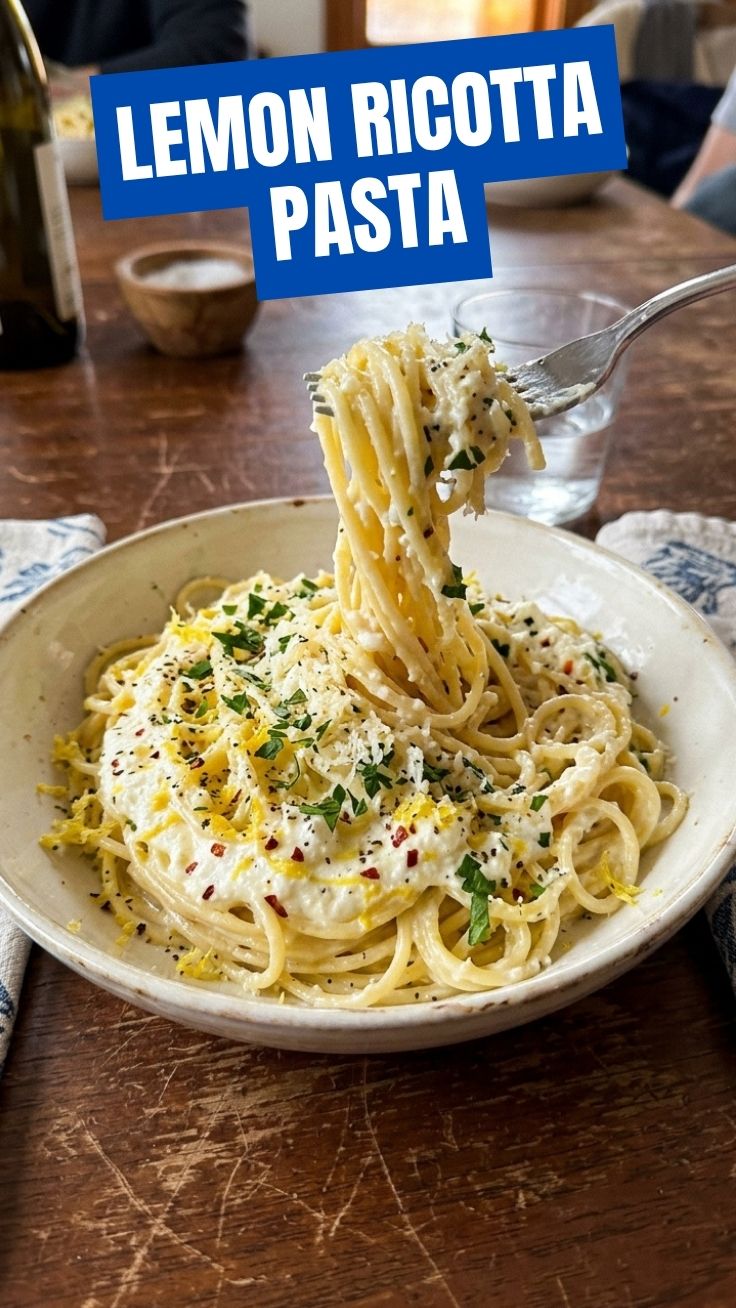
Dreaming of a dish that’s both comforting and vibrantly fresh? Imagine a silky smooth sauce clinging to perfectly al dente pasta, bursting with bright citrus notes and the delicate richness of ricotta. Preparing homemade pasta dishes offers an unparalleled sense of accomplishment and allows for complete control over ingredients, leading to healthier and more delicious meals. Today, we’re diving into the delightful world of Lemon Ricotta Pasta, a dish that proves simplicity can be utterly sublime. Forget bland, watery imitations; this recipe guides you to a truly restaurant-quality experience, rivaling even the most intricate cheese pasta recipes you’ve encountered. Let’s get cooking!
Ingredients & Kitchen Tools
- 1 pound (450g) short pasta (e.g., orecchiette, rigatoni, or cavatappi): Holds sauce beautifully.
- 15 oz (425g) whole milk ricotta cheese: Essential for the creamy texture and rich flavor. Avoid part-skim for best results.
- 1/2 cup (120ml) reserved pasta water: The starchy magic that binds the sauce.
- Zest of 2 large lemons: Provides intense citrus aroma and flavor. Avoid the white pith to prevent bitterness.
- Juice of 1 large lemon (approximately 2-3 tablespoons): Adds brightness and tang.
- 1/4 cup (60ml) extra virgin olive oil: For a silky mouthfeel and rich base.
- 1/2 cup (45g) grated Parmesan cheese, plus more for serving: Balances the ricotta and adds umami. Pecorino Romano can be substituted for a sharper flavor.
- 2 cloves garlic, minced: Aromatic foundation.
- 1/4 cup (15g) fresh basil, chopped: Adds a fresh, herbaceous note.
- Salt and freshly ground black pepper to taste: Seasoning is key!
- Optional: Red pepper flakes for a subtle kick, cherry tomatoes for extra freshness.
Kitchen Tools:
- Large pot: For boiling pasta.
- Large skillet or wide pan: To combine the sauce and pasta.
- Citrus zester/grater: For zest.
- Citrus juicer: For lemon juice.
- Measuring cups and spoons: For accurate ingredient amounts.
- Whisk: To combine ricotta mixture smoothly.
- Tongs: For tossing pasta.
Prep Time & Cooking Schedule
- Prep time: 10 minutes
- Cook time: 15-20 minutes (depending on pasta)
- Total time: 25-30 minutes
This dish is perfect for a quick weeknight meal but impressive enough for guests. The limited prep time means you can have a gourmet meal on the table in under half an hour. Start boiling your pasta water first, as that’s often the longest step!
Step-by-Step Instructions
1. Boil the Pasta: Bring a large pot of generously salted water to a rolling boil. Add your chosen short pasta and cook according to package directions until al dente. Before draining, reserve at least 1/2 cup of the starchy pasta water. This is crucial for achieving a creamy sauce for your Lemon Ricotta Pasta.
2. Prepare the Sauce Base: While the pasta cooks, in a large skillet or wide pan, warm the extra virgin olive oil over medium heat. Add the minced garlic and sauté for 1 minute until fragrant. Do not let it brown.
3. Create the Ricotta Mixture: In a medium bowl, combine the whole milk ricotta cheese, lemon zest, and lemon juice. Whisk until smooth. Stir in the grated Parmesan cheese, a generous pinch of salt, and freshly ground black pepper. This forms the heart of our delightful pasta, delivering a truly divine experience among cheese pasta recipes.
4. Combine & Emulsify: Drain the cooked pasta and immediately add it to the large skillet with the garlic and olive oil. Pour the ricotta mixture over the pasta.
5. Achieve Creaminess: Add about 1/4 cup of the reserved pasta water to the skillet. Using tongs, toss the pasta vigorously to combine, allowing the sauce to emulsify. Add more pasta water, a tablespoon at a time, until the sauce reaches your desired consistency – it should be creamy and coat the pasta beautifully, not watery. The starch in the pasta water is key to this transformation.
6. Finish & Serve: Stir in the fresh chopped basil. Taste and adjust seasoning with more salt, pepper, or lemon juice if needed. Serve immediately, garnished with extra Parmesan cheese, a drizzle of olive oil, and perhaps a sprinkle of red pepper flakes.
Nutritional Benefits & Advantages
Ricotta cheese, especially whole milk varieties, is a good source of protein and calcium, essential for bone health. Lemons are packed with Vitamin C, an antioxidant that supports the immune system. Olive oil provides healthy monounsaturated fats. This dish, while indulgent in flavor, offers a balanced meal with carbohydrates for energy, protein for muscle repair, and vitamins from fresh herbs and citrus. It’s also relatively light compared to cream-based sauces, making it a satisfying choice without feeling heavy.
Tips, Variations & Cooking Advice
- Spice it up: Add a pinch of red pepper flakes to the garlic for a subtle heat.
- Herb power: Experiment with other fresh herbs like chopped parsley or chives.
- Veggies: Stir in sautéed asparagus, spinach, or roasted cherry tomatoes for added nutrition and color.
- Protein boost: Grill or pan-sear chicken or shrimp and add it to the finished dish.
- Gluten-Free: Simply use your favorite gluten-free pasta.
- Dairy-Free: While challenging to perfectly replicate the ricotta texture, some vegan ricotta alternatives made from almonds or cashews could work in a pinch.
- Consistency Control: Don’t be afraid to use all 1/2 cup of reserved pasta water if needed to achieve the perfect creamy texture.
Common Mistakes to Avoid
- Overcooking the pasta: Mushy pasta won’t hold the sauce well and diminishes the overall experience. Cook just until al dente.
- Skipping the pasta water: This starchy liquid is non-negotiable for sauce emulsification. Don’t drain all of it!
- Overheating the sauce: Once the ricotta mixture is added, avoid high heat. Gentle warming and tossing are sufficient to combine and maintain the creamy texture. High heat can cause the ricotta to seize or become grainy.
- Using cold ricotta: Bring ricotta to room temperature for about 15-20 minutes before mixing for a smoother sauce.
- Forgetting to season: Taste and adjust salt and pepper liberally throughout the process.
Storage & Meal Prep Tips
Leftover Lemon Ricotta Pasta can be stored in an airtight container in the refrigerator for up to 3 days. Reheat gently on the stovetop over low heat, adding a splash of water or vegetable broth to loosen the sauce if it has thickened. Freezing is not recommended as the ricotta can change texture upon thawing. For meal prep, you can prepare the ricotta mixture ahead of time and store it in the fridge for up to 2 days, then cook the pasta fresh when ready to serve.
Conclusion
There you have it – a magnificent, yet incredibly simple, recipe for Lemon Ricotta Pasta that will undoubtedly become a staple in your kitchen. It’s a testament to how fresh ingredients and straightforward techniques can yield truly spectacular results. This recipe stands out among countless cheese pasta recipes for its vibrant flavor and effortless elegance. Give this dish a try tonight, and prepare to be amazed by its creamy, zesty charm. Don’t forget to share your creations and culinary adventures with us in the comments below! Happy cooking!
FAQs
1. Can I use low-fat ricotta?
While you can, whole milk ricotta is highly recommended for the best flavor and creamiest texture. Low-fat versions may result in a less rich and potentially grainy sauce.
2. What if my sauce is too thick or too thin?
If too thick, gradually add more reserved pasta water until it reaches your desired consistency. If too thin, try tossing it a bit longer to allow the starch to thicken it slightly, or add a little extra Parmesan cheese.
3. How can I make this dish spicier?
Add red pepper flakes to the olive oil and garlic mixture at the beginning of the cooking process, or as a garnish when serving.
4. Can I make this dish ahead of time for a party?
It’s best when served fresh, as the pasta can absorb the sauce and become less creamy over time. However, you can prep the ricotta mixture and mince the garlic beforehand to save time.
5. What kind of wine pairs well with Lemon Ricotta Pasta?
A dry white wine with high acidity, such as a Sauvignon Blanc, Pinot Grigio, or even an unoaked Chardonnay, would complement the bright lemon flavors beautifully.