Mastering the Art of Perfect Garlic and Oil Pasta: Your Ultimate Guide
Ever wondered if you could recreate that restaurant-quality pasta dish with minimal effort and maximum flavor right in your own kitchen? The answer is a resounding yes! Today, we’re diving deep into the world of Aglio e Olio, a deceptively simple yet utterly delicious Italian classic that has captivated palates worldwide. This isn’t just about boiling pasta; it’s about harnessing the power of a few humble ingredients to create something truly magical. Preparing this iconic dish at home isn’t just cost-effective; it allows you to control ingredient quality and tailor it to your exact preferences, making it a valuable addition to your repertoire of Pasta Recipes. Forget bland, watery versions – we’re here to guide you to a truly remarkable Aglio e Olio.
Ingredients & Kitchen Tools
- 200g Spaghetti or Linguine: The traditional choice, offering a perfect texture to cling to the garlicky oil.
- 6-8 cloves Garlic: Fresh is non-negotiable! Thinly sliced or finely minced for maximum flavor release.
- 1/2 cup Extra Virgin Olive Oil: High-quality olive oil is crucial as it forms the base of the sauce. Don’t skimp here!
- 1/2 tsp Red Pepper Flakes (optional): Adds a gentle, warming kick. Adjust to your spice preference.
- 1/4 cup Fresh Parsley: Finely chopped. Provides a vibrant color and fresh, herbaceous finish.
- Salt & Freshly Ground Black Pepper: To taste. Essential for seasoning the pasta and the sauce.
- Parmesan Cheese (optional): For serving, adds a nutty, salty depth.
- Pasta Pot: Large enough to boil pasta without clumping.
- Large Skillet or Sauté Pan: For creating the garlic and oil sauce.
- Colander: For draining pasta.
- Tongs: For tossing pasta.
Prep Time & Cooking Schedule
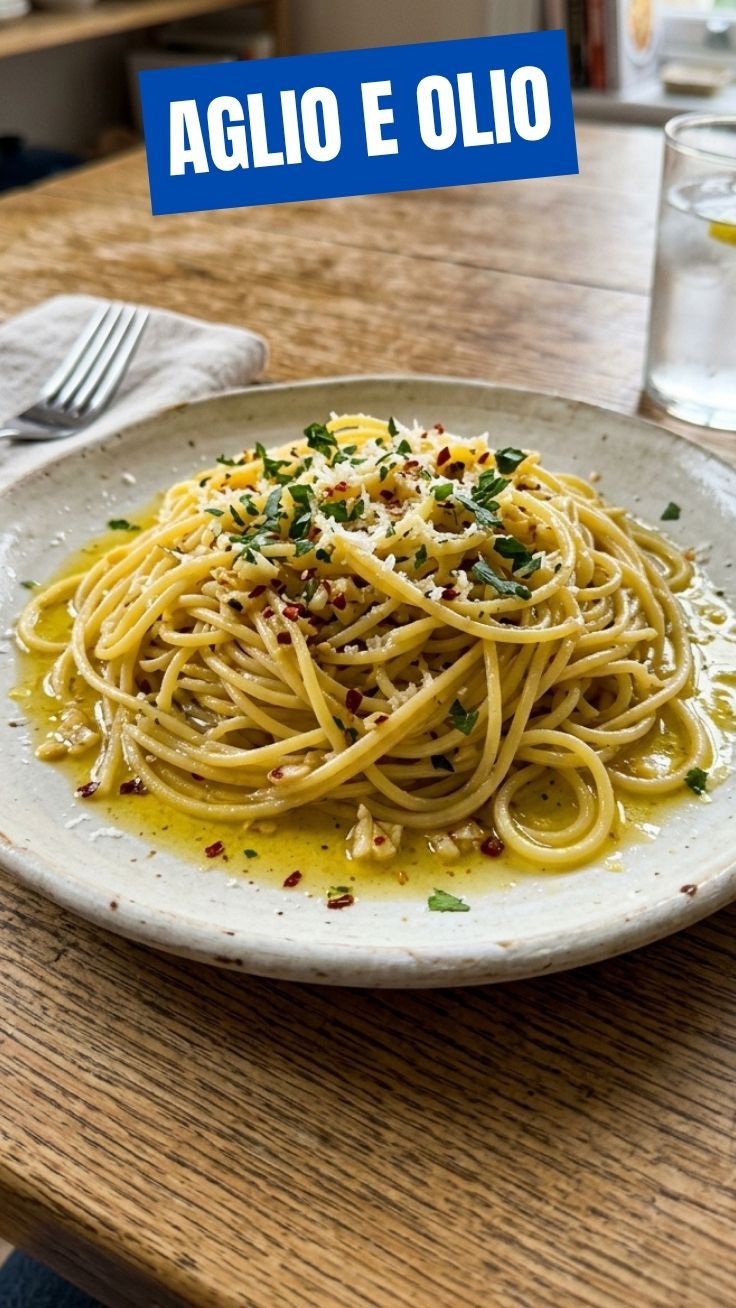
This recipe is a champion of speed and efficiency, making it perfect for quick weeknight dinners or impromptu gatherings.
- Prep Time: 10 minutes (mostly for chopping garlic and parsley)
- Cook Time: 15 minutes (aligns with pasta cooking time)
- Total Time: 25 minutes
You can start preparing your garlic and parsley while the pasta water comes to a boil. This parallel processing ensures a seamless and swift cooking experience.
Step-by-Step Instructions
1. Boil the Pasta: Bring a large pot of heavily salted water to a rolling boil. Add your spaghetti and cook according to package directions until al dente. Reserve about 1 cup of pasta water before draining.
2. Infuse the Oil: While the pasta cooks, heat the extra virgin olive oil in a large skillet over medium-low heat. Add the thinly sliced garlic and red pepper flakes (if using). Cook gently, stirring occasionally, for 3-5 minutes, until the garlic turns fragrant and very lightly golden. Crucial Tip: Do not brown or burn the garlic; this will make it bitter.
3. Combine & Emulsify: Add the cooked and drained pasta directly to the skillet with the garlic-infused oil. Toss well to coat. Add a splash of the reserved pasta water, about 1/4 cup, and continue tossing. The starch from the pasta water will help emulsify the sauce, creating a glossy, rich coating.
4. Season & Finish: Stir in the fresh chopped parsley. Season generously with salt and black pepper to taste. Continue tossing, adding more pasta water a tablespoon at a time if needed, until the sauce beautifully coats each strand of pasta without being dry. This is where your delicious Aglio e Olio truly comes alive. It’s truly one of the most satisfying Pasta Recipes you can master!
5. Serve: Serve immediately, optionally garnished with more fresh parsley and a dusting of Parmesan cheese.
Nutritional Benefits & Advantages
Aglio e Olio, in its pure form, is a surprisingly light yet satisfying dish. Garlic is renowned for its immune-boosting properties and high antioxidant content. Extra virgin olive oil is a powerhouse of healthy monounsaturated fats, beneficial for heart health. Parsley adds a fresh burst of vitamins K, C, and A. This recipe is naturally dairy-free and can easily be made gluten-free by using gluten-free pasta, offering a wholesome meal that appeals to various dietary needs.
Tips Variations & Cooking Advice
- Lemon Zest: A grating of fresh lemon zest at the end adds a bright, zesty counterpoint.
- Anchovies: For an extra layer of savory depth, melt a couple of anchovy fillets in the olive oil with the garlic. They dissolve almost completely, leaving a subtle umami flavor.
- Cherry Tomatoes: Halved cherry tomatoes can be added to the garlic oil and gently cooked until they just begin to burst, adding sweetness and acidity.
- Protein Boost: Add cooked shrimp, leftover chicken, or cannellini beans for a more substantial meal.
- Vegan/Vegetarian: This recipe is inherently vegan (if you omit Parmesan), making it a fantastic plant-based option.
- Pasta Type: While spaghetti or linguine are traditional, feel free to experiment with other long pasta shapes like bucatini.
Common Mistakes to Avoid
- Burning the Garlic: This is the most crucial error. Burnt garlic tastes bitter and can ruin the entire dish. Keep the heat low and watch it carefully.
- Under-Salting Pasta Water: The pasta itself should be seasoned, not just the sauce. Ensure your pasta water tastes like the sea.
- Overcooking Pasta: Mushy pasta is a culinary crime. Always cook to al dente for optimal texture.
- Skipping Pasta Water: This starchy liquid is your secret weapon for creating a silky, emulsified sauce. Don’t forget to reserve some!
- Using Low-Quality Olive Oil: Since olive oil is a star ingredient, using a good quality extra virgin olive oil makes a significant difference in flavor.
Storage & Meal Prep Tips
Aglio e Olio is best enjoyed fresh, but leftovers can be stored in an airtight container in the refrigerator for up to 2-3 days. Reheating can be done gently in a skillet with a splash of water or broth to loosen the sauce and prevent drying out. Avoid microwaving if possible, as it can alter the pasta’s texture. Freezing is generally not recommended as pasta can become mushy upon thawing.
Conclusion
Mastering the art of Aglio e Olio is a culinary game-changer. This simple yet profound dish showcases how a few quality ingredients, handled with care, can yield extraordinary results. By following this guide, you’re not just making a meal; you’re cultivating a skill that will serve you for years to come, elevating your repertoire of delicious Pasta Recipes. We encourage you to try this recipe tonight, experiment with the variations, and share your delightful creations! What’s your secret to the perfect garlic and oil pasta? Let us know in the comments below!
FAQs
Q: Can I use pre-minced garlic?
A: While convenient, pre-minced garlic often lacks the fresh, pungent flavor of whole cloves and can burn more easily. For the best Aglio e Olio, we highly recommend fresh garlic.
Q: What if my sauce is too dry?
A: Don’t panic! Simply add another tablespoon or two of reserved pasta water (or even regular water) and toss vigorously until the sauce reaches your desired consistency.
Q: Can I make this with gluten-free pasta?
A: Absolutely! The cooking method remains the same, just ensure you cook your gluten-free pasta according to its package instructions for the best al dente result. It’s a fantastic option for various dietary Pasta Recipes.
Q: How do I prevent the garlic from burning?
A: The key is low heat and constant vigilance. Start with cold oil and warm it gradually with the garlic, never letting it sizzle too aggressively. If it starts to brown too quickly, remove the pan from the heat for a moment.
Q: Can I add vegetables besides parsley?
A: Yes, finely chopped spinach, lightly sautéed zucchini ribbons, or blanched asparagus tips can be tossed in at the end for added nutrition and color.