Unleash Flavor: Master the Art of Blackened Salmon at Home
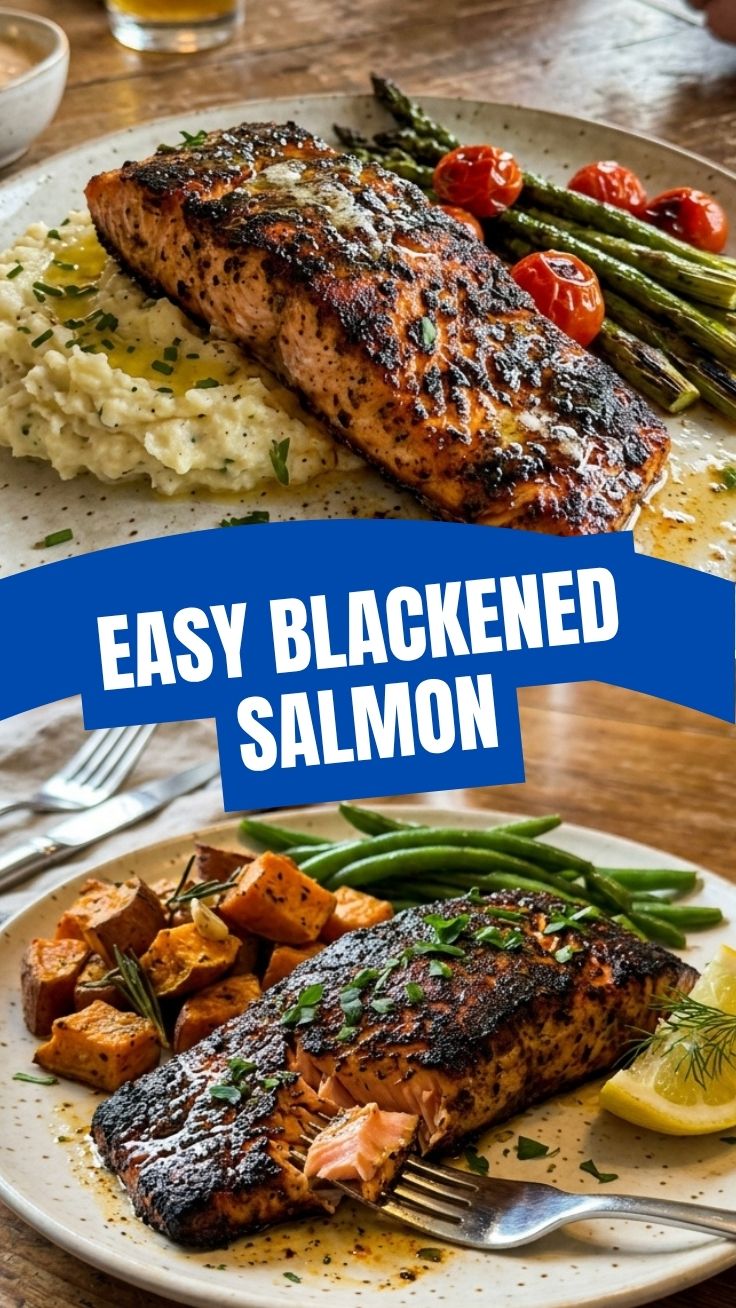
Ever wonder if you can recreate that restaurant-quality, intensely flavorful, and perfectly crispy Blackened Salmon right in your own kitchen? The answer is a resounding yes! Forget bland dinners and costly takeout – mastering this iconic dish at home is not only incredibly satisfying but also allows you to control the ingredients, adapt to your taste, and enjoy a fresh, healthy meal whenever you desire. Today, we’re diving deep into the art of crafting a sensational Blackened Salmon that’s bursting with delicious spices, delivering that signature dark, savory crust. We’ll also explore the nuances of preparing delectable Cajun Salmon, ensuring your culinary journey is both exciting and rewarding.
Ingredients & Kitchen Tools
To embark on your Blackened Salmon adventure, gather these essentials:
- Salmon Fillets (4-6 oz each, skin on or off): Opt for fresh, high-quality fillets. Skin-on offers a crispier exterior; skin-off cooks slightly faster.
- Blackening Seasoning (homemade or good quality store-bought): This is the heart of the dish. A good blend contains paprika, cayenne, garlic powder, onion powder, thyme, oregano, and salt.
- Unsalted Butter (melted): Essential for coating the salmon, allowing the seasoning to adhere and promoting that rich, dark crust. Clarified butter (ghee) is even better for its higher smoke point.
- Olive Oil or High Smoke Point Oil (e.g., avocado oil): For searing, especially if you’re not using clarified butter.
- Lemon Wedges (for serving): A squeeze of fresh lemon brightens the flavors and provides a zesty finish.
- Heavy-Bottomed Cast Iron Skillet: Crucial for achieving the high heat needed for blackening.
- Tongs or Fish Spatula: For safely turning delicate salmon fillets.
- Small Bowl & Whisk: For mixing your seasoning.
- Basting Brush (optional): For evenly coating the salmon with butter.
- Paper Towels: For patting the salmon dry.
Prep Time & Cooking Schedule
This recipe is incredibly efficient, making it perfect for weeknight meals!
- Prep Time: 10 minutes (includes patting dry, seasoning, and melting butter)
- Cook Time: 6-10 minutes (depending on thickness and desired doneness)
- Resting Time: 5 minutes (allows juices to redistribute for a tender, flaky result)
To plan your meal, aim to start preparing your side dishes (like a fresh salad, rice pilaf, or steamed vegetables) while the salmon rests. This ensures everything is ready to serve hot and fresh. The swift cooking process means you can have a gourmet meal on the table in under 30 minutes!
Step-by-Step Instructions
1. Prepare the Salmon: Pat salmon fillets thoroughly dry with paper towels. This is a critical step for achieving a proper crust. In a shallow bowl, melt your butter.
2. Season Generously: Dip each salmon fillet into the melted butter, ensuring it’s completely coated. Alternatively, brush the butter onto both sides. Then, generously dredge both sides of the buttered salmon into your blackening seasoning, pressing lightly to ensure it adheres. Don’t be shy; the seasoning creates the signature flavor and crust of Blackened Salmon.
3. Heat the Skillet: Place your cast iron skillet over high heat. Add a tablespoon or two of high-smoke-point oil (if not using clarified butter) and let it get smoking hot – you should see wisps of smoke. This intense heat is key for proper blackening and is how you achieve that incredible crust on your Cajun Salmon.
4. Sear the Salmon: Carefully place the seasoned salmon fillets, skin-side down (if applicable), into the hot skillet. Cook for 3-5 minutes until a dark, crusty char forms on the bottom. The high heat creates a rapid Maillard reaction, developing deep flavors.
5. Flip & Finish: Flip the salmon fillets and cook for another 3-5 minutes, or until the salmon is cooked through and flakes easily with a fork. The internal temperature should reach 145°F (63°C). Avoid overcooking, as salmon can dry out quickly.
6. Rest & Serve: Remove the salmon from the skillet and let it rest on a plate for 5 minutes. This allows the juices to redistribute, resulting in a more tender and moist fillet. Serve immediately with lemon wedges.
Nutritional Benefits & Advantages
Salmon is a nutritional powerhouse, and our Blackened Salmon recipe keeps it lean and healthy. It’s an excellent source of:
- Omega-3 Fatty Acids: These essential fats are vital for heart health, brain function, and reducing inflammation.
- High-Quality Protein: Supports muscle growth and repair, keeping you feeling full and satisfied.
- Vitamins D and B12: Important for bone health, energy production, and nerve function.
- Potassium: Helps maintain fluid balance and blood pressure.
Blackening, when done correctly, avoids excessive oil, making it a healthier alternative to deep-frying while still delivering incredible flavor.
Tips, Variations & Cooking Advice
- Spice Level: Adjust the cayenne pepper in your blackening seasoning to control the heat. For a milder version, reduce or omit; for extra kick, add more.
- Herb Twist: Experiment with fresh herbs like chopped parsley or cilantro sprinkled over the cooked salmon for added freshness.
- Alternative Cooking Methods: While cast iron is king for blackening, you can also pan-sear in a heavy non-stick skillet or grill the salmon for a smoky flavor. If grilling, ensure the grates are well-oiled to prevent sticking.
- Dairy-Free: Substitute clarified butter (ghee) for regular butter, as ghee has had its milk solids removed.
- Sauce Pairings: Serve with a simple squeeze of lime, a fresh mango salsa, or a creamy avocado sauce to complement the bold flavors.
Common Mistakes to Avoid
- Wet Salmon: Not patting the salmon dry is the biggest culprit for a soggy crust instead of a crispy one. Moisture prevents proper searing.
- Cold Skillet: A lukewarm skillet will steam the fish rather than sear it, leading to a dull gray appearance and rubbery texture. Ensure it’s smoking hot!
- Overcrowding the Pan: Too many fillets at once will drop the skillet’s temperature, leading to steaming instead of blackening. Cook in batches if necessary.
- Overcooking: Salmon cooks quickly. Watch it closely and remove it as soon as it flakes easily.
- Flipping Too Soon: Resist the urge to constantly peek or flip. Let the crust form undisturbed for at least 3 minutes before flipping.
Storage & Meal Prep Tips
Leftover Blackened Salmon makes fantastic meal prep!
- Refrigeration: Store cooked salmon in an airtight container in the refrigerator for up to 3-4 days.
- Freezing: While possible, freezing cooked salmon can slightly alter its texture. If freezing, wrap tightly in plastic wrap and then foil, storing for up to 2-3 months. Thaw overnight in the refrigerator.
- Reheating: Gently reheat in a preheated oven at 275°F (135°C) for 10-15 minutes, or in a microwave on low power, covered, to prevent drying out. A quick pan-sear is also an option but handle carefully to avoid overcooking. Enjoy it cold on salads or in wraps for a quick lunch!
Conclusion
There you have it – the definitive guide to creating irresistibly flavorful and perfectly cooked Blackened Salmon. By following these detailed steps and embracing the power of high heat and bold seasoning, you can effortlessly bring this restaurant-quality dish into your home, treating yourself and your loved ones to a truly memorable meal. Whether you call it Blackened Salmon or enjoy the spicy kick of Cajun Salmon, the result is a culinary delight that’s both healthy and incredibly satisfying. Don’t hesitate – grab your skillet, season your salmon, and get ready to impress! Share your blackened salmon creations in the comments below, or explore our other delicious seafood recipes for more inspiration!
FAQs
Q1: Can I use pre-made blackening seasoning, or should I make my own?
A1: Both are fine! A good quality store-bought blend works well, but making your own allows you to customize the spice level and flavor profile.
Q2: My salmon isn’t getting that dark crust; what am I doing wrong?
A2: Ensure your skillet is smoking hot before adding the salmon, and the salmon fillets must be thoroughly patted dry. Don’t add too much oil, and avoid overcrowding the pan.
Q3: Can I use a different type of fish for this recipe?
A3: Absolutely! Firm, flaky fish like cod, snapper, or mahi-mahi also blacken beautifully. Adjust cooking times slightly based on thickness.
Q4: How important is the cast iron skillet?
A4: A cast iron skillet is highly recommended for its ability to retain and distribute high heat evenly, which is crucial for achieving the characteristic dark, crispy crust of blackened dishes.
Q5: What are some good side dishes to serve with blackened salmon?
A5: This dish pairs wonderfully with simple sides like rice pilaf, roasted asparagus, sautéed green beans, a fresh garden salad, or creamy coleslaw.