Unlock the Culinary Magic: Crafting Irresistible Tamales from Scratch
Ever wondered if you could recreate the magic of perfectly steamed, savory Tamales (Traditional) right in your own kitchen? The answer is a resounding yes! There’s an unparalleled satisfaction that comes from preparing Authentic Mexican Food from scratch, especially when it involves the delightful process of making tamales. This comprehensive guide will not only demystify the art of tamale making but also empower you to master this beloved dish, transforming your home into a hub of rich, delightful aromas and unforgettable flavors. Get ready to embark on a culinary journey that promises delicious rewards and a profound connection to a rich culinary heritage.
Ingredients & Kitchen Tools
Gathering your provisions and tools is the first step to tamale success!
Ingredients:
- Dried Corn Husks: (Approximately 100-120 husks) Essential for wrapping and infusing flavor. Look for large, pliable husks.
Masa Harina for Tamales: (4 cups) Specifically designed for tamales, not* regular masa harina for tortillas. Provides the ideal texture.
- Pork Lard or Vegetable Shortening: (1 ½ cups) Lard offers the most traditional flavor and fluffy texture; shortening is a vegetarian alternative.
- Chicken Broth or Vegetable Broth: (3-4 cups warm) Adds moisture and flavor to the masa. Adjust as needed for consistency.
- Baking Powder: (2 teaspoons) Helps the masa become light and fluffy.
- Salt: (1 tablespoon or to taste) Crucial for seasoning the masa.
- Pork Shoulder or Boston Butt: (2 lbs, boneless) For a rich, savory filling. You can substitute with shredded chicken or seasoned vegetables.
- Guajillo Chiles: (6-8 chiles, dried) Mild, fruity flavor for a classic red chile sauce.
- Ancho Chiles: (3-4 chiles, dried) Adds a deeper, smoky, and slightly sweet note to the sauce.
- Garlic: (4-6 cloves) Aromatic foundation for the sauce and meat.
- Onion: (1 small) Adds sweetness and depth to the sauce.
- Cumin: (1 teaspoon, ground) Earthy spice for the chile sauce.
- Oregano: (1 teaspoon, dried Mexican) Pungent herb, essential for Mexican flavors.
- Water or Broth: (For reconstituting chiles and blending sauce)
Kitchen Tools:
- Large Mixing Bowl: For preparing the masa.
- Electric Mixer (Stand or Handheld): Highly recommended for whipping lard and masa to achieve a light, airy texture.
- Large Stockpot or Dutch Oven: For cooking the pork filling.
- Steamer Pot with Rack: Essential for cooking the tamales. Alternatively, a large pot with an improvised steamer rack and lid.
- Blender or Food Processor: For making the chile sauce.
- Fine-Mesh Sieve: For straining the chile sauce, ensuring a smooth consistency.
- Measuring Cups and Spoons: For accurate ingredient portions.
- Tongs: For handling hot chiles and meat.
- Spatula: For mixing and spreading masa.
Prep Time & Cooking Schedule
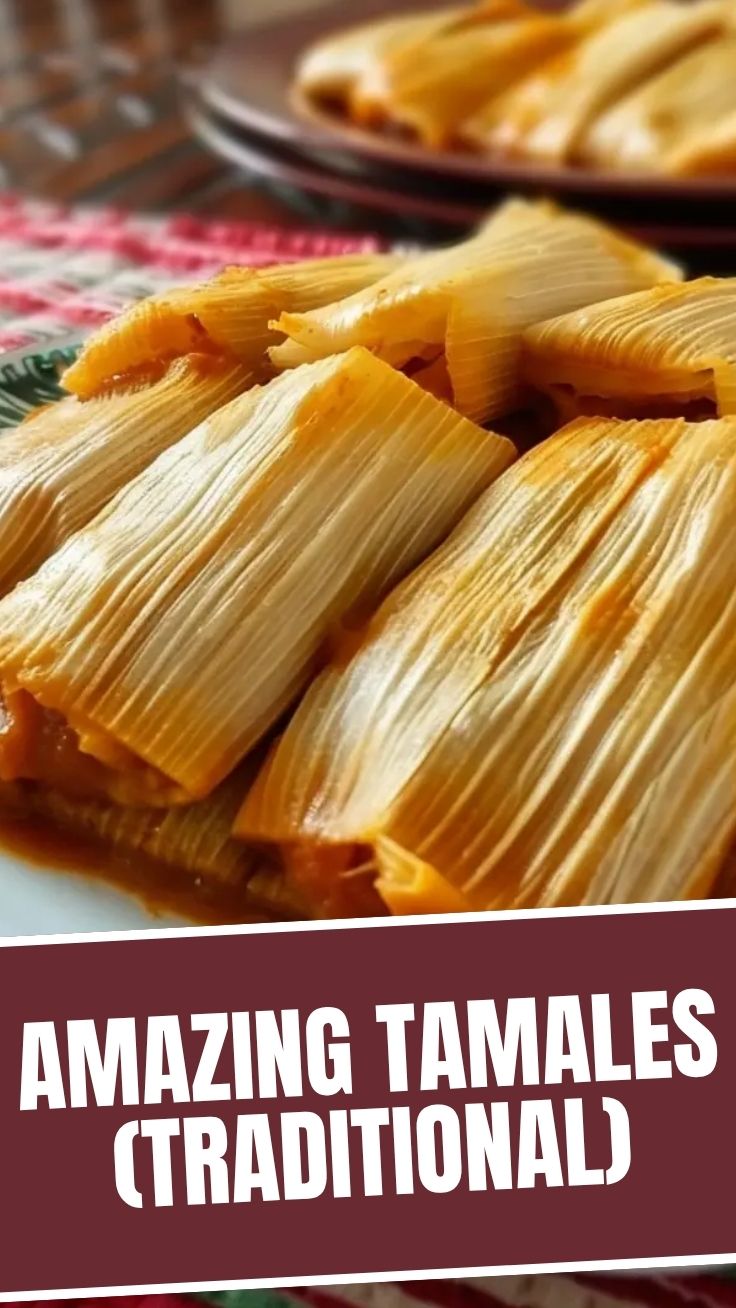
Tamale making is a labor of love, but the process can be efficiently broken down.
- Prep Time: 2-3 hours (includes soaking husks, cooking pork, preparing chile sauce, and making masa)
- Assembly Time: 1-2 hours (depending on how many hands you have!)
- Cook Time (Steaming): 1-2 hours
- Resting Time: 15-30 minutes after steaming, allowing them to firm up.
Context: Tamales are often a communal activity in Mexico – a “tamalada.” Don’t be afraid to enlist friends or family to help with the assembly line! This recipe can be made over two days: cook the pork and make the sauce on day one, then prepare the masa and assemble/steam on day two.
Step-by-Step Instructions
Follow these steps for a delightful tamale experience.
1. Soak the Corn Husks: Place dried corn husks in a large bowl, cover with very hot water, and weigh them down with a plate to keep them submerged. Let them soak for at least 30 minutes, or until pliable.
2. Prepare the Pork Filling:
* Season the pork shoulder with salt, pepper, and a touch of garlic powder.
* Sear the pork in a large pot until browned on all sides.
* Add enough water or broth to partially cover the pork. Bring to a simmer, then cover and cook over low heat for 2-3 hours, or until fork-tender.
* Remove pork from the pot (reserve broth for later use if desired). Shred the pork using two forks.
3. Make the Red Chile Sauce:
* Wipe guajillo and ancho chiles clean. Remove stems and seeds.
* Toast chiles lightly in a dry skillet over medium heat for 1-2 minutes until fragrant (be careful not to burn).
* Place toasted chiles in a bowl, cover with hot water, and soak for 20-30 minutes until softened.
* Drain chiles, reserving a bit of soaking liquid.
* Blend softened chiles with roasted garlic, onion, cumin, oregano, and salt, adding a little reserved soaking liquid or broth until smooth.
* Strain the chile sauce through a fine-mesh sieve into a clean bowl, discarding any solids.
* Combine shredded pork with enough chile sauce to coat it thoroughly. Season to taste. This forms the heart of our Tamales (Traditional).
4. Prepare the Masa:
* In a large mixing bowl, beat lard or shortening with an electric mixer until light and fluffy (about 5 minutes). This is key for tender tamales.
* In a separate bowl, whisk together masa harina, baking powder, and salt.
* Gradually add the masa harina mixture to the beaten lard, alternating with warm chicken or vegetable broth, mixing on low speed until well combined.
* Continue beating for another 5-10 minutes until the masa is light, fluffy, and spreadable. To test if it’s ready, drop a small piece of masa into a glass of cold water; if it floats, it’s good to go! This masa is the foundation for truly Authentic Mexican Food.
5. Assemble the Tamales:
* Drain the soaked corn husks and pat them dry.
* Take one husk, spread about 2-3 tablespoons of masa evenly over the wider end, leaving a border along the top and sides.
* Place a tablespoon or two of the pork filling in the center of the masa.
* Fold one side of the husk over the filling, then the other, overlapping to create a sealed packet.
* Fold the narrow end of the husk up.
6. Steam the Tamales:
* Arrange tamales upright in a steamer basket, open-end up (or folded-end down, if preferred). Don’t pack them too tightly; allow steam to circulate.
* Pour water into the bottom of the steamer pot, ensuring it doesn’t touch the tamales.
* Bring water to a boil, then reduce heat to a steady simmer.
* Cover the pot tightly and steam for 1-2 hours. Tamales are done when the masa easily pulls away from the husk.
7. Rest and Serve: Carefully remove tamales from the steamer. Let them rest for 15-30 minutes before unwrapping and serving. This allows them to firm up perfectly.
Nutritional Benefits & Advantages
Tamales, when prepared with mindful ingredients, offer more than just incredible flavor. Corn-based masa provides complex carbohydrates for sustained energy. The pork filling is a good source of lean protein, essential for muscle repair and growth. Using wholesome chiles provides vitamins (like Vitamin C and A) and antioxidants. Plus, making them at home gives you full control over the quality of ingredients, allowing you to reduce sodium or increase vegetable content.
Tips, Variations & Cooking Advice
- Flavor Variations: Try fillings like shredded chicken in green salsa (salsa verde), cheese with jalapeños, or sweet fruit tamales with raisins and cinnamon. For vegetarian options, a hearty mixture of black beans, corn, and roasted poblano peppers works wonderfully.
- Ingredient Swaps: While lard is traditional for its unmatched texture, vegetable shortening is a great vegan alternative. Good quality olive oil can also be used, though it will yield a denser tamale.
- Alternative Cooking Methods: While steaming is classic, some prefer baking tamales wrapped in foil, though the texture will be different.
- Dietary Adaptations: For gluten-free, ensure your masa harina is certified gluten-free (most are, but always check). For dairy-free, simply avoid any cheese fillings.
Common Mistakes to Avoid
- Not Soaking Husks Enough: Rushing this step leads to brittle husks that crack during assembly.
- Dry Masa: If your masa isn’t fluffy and spreadable, or doesn’t float in water, add a bit more broth and beat longer. Dry masa results in dry, crumbly tamales.
- Overfilling: Too much filling makes it hard to seal the tamales and can lead to them falling apart during steaming.
- Steaming without Enough Water: Check the water level in your steamer periodically, especially for longer steaming times, to prevent it from boiling dry.
- Opening the Steamer Lid Too Often: This releases steam and prolongs cooking time. Resist the urge to peek!
Storage & Meal Prep Tips
Cooked tamales are fantastic for meal prep!
- Refrigeration: Store leftover tamales (wrapped in their husks or in an airtight container) in the refrigerator for up to 5-7 days.
- Freezing: Tamales freeze beautifully. Once cooled, wrap individual tamales tightly in plastic wrap, then place them in a freezer-safe bag or container. They can be frozen for up to 3 months.
- Reheating:
* Steamer: The best method for reheating. Steam frozen tamales for 20-30 minutes, thawed tamales for 15 minutes.
* Microwave: Reheat individually, wrapped in a damp paper towel, for 1-2 minutes.
* Pan-Frying: For a crispy exterior, remove husks and pan-fry tamales in a little oil until golden brown.
Conclusion
Mastering the art of making Tamales (Traditional) is a truly rewarding culinary achievement. From the rich taste of the chile-infused pork to the fluffy, tender masa, each bite is a testament to patience and passion. We hope this guide inspires you to dive into the wonderful world of Authentic Mexican Food and experience the joy of creating these delicious parcels from scratch. Don’t hesitate to share your tamale-making adventures and delicious results with us in the comments below!
FAQs
Q1: Can I make the masa ahead of time?
A1: Yes, you can prepare the masa up to 24 hours in advance. Cover it tightly and refrigerate. Let it come to room temperature for about 30 minutes before assembling.
Q2: My tamales are sticking to the husks. What went wrong?
A2: This usually means the tamales weren’t steamed long enough. The masa should pull away cleanly from the husk when done. It could also indicate the masa was too dry initially.
Q3: What if I can’t find corn husks?
A3: While traditional, you can substitute banana leaves (often found in Asian or Latin American markets) or even parchment paper cut into squares and folded similarly. However, the corn husk imparts a unique flavor.
Q4: How do I know if my lard/shortening is whipped enough?
A4: It should be very light in color and fluffy, almost like whipped cream. This aeration is crucial for light, tender tamales.
Q5: Can I make vegetarian tamales?
A5: Absolutely! Replace the pork with a flavorful filling of sautéed vegetables (like zucchini, corn, and bell peppers), black beans, cheese, or even a mushroom mole. Use vegetable shortening or oil instead of lard.