Savor the Soul: Unlocking the Secrets of Homemade Pozole
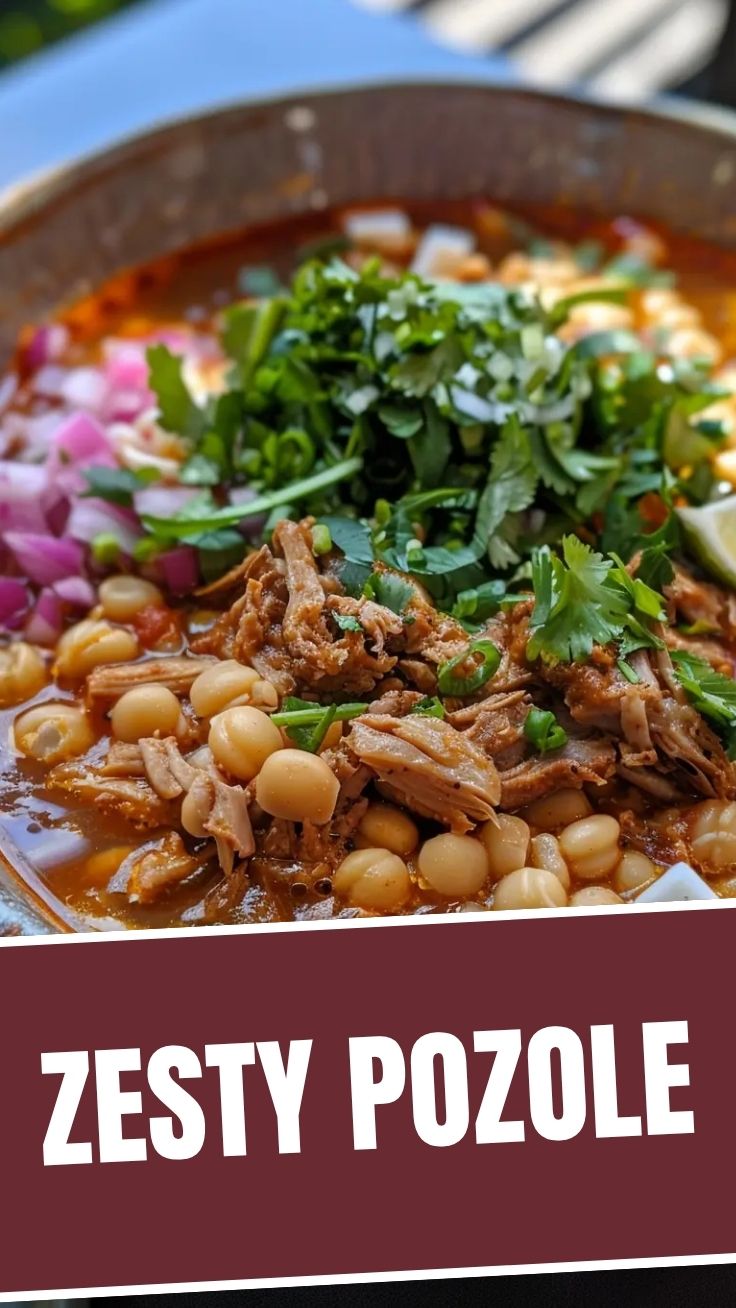
Ever wondered what it feels like to create a dish that’s not just food, but a warm embrace, a story passed down through generations? Today, we’re peeling back the layers of a culinary masterpiece: Pozole. This iconic Mexican stew, rich in flavor and tradition, often appears daunting to prepare at home. But trust us, the satisfaction of crafting your own authentic pozole recipe from scratch is a culinary triumph worth every effort. Not only does it allow for personalized seasoning and fresh ingredients, but it also transforms your kitchen into a hub of fragrant delight. Get ready to embark on a flavorful journey that will impress your taste buds and nourish your soul.
Ingredients & Kitchen Tools
Gather your culinary arsenal; these are the essentials for an unforgettable pot of Pozole:
Pork Shoulder (Boneless): 3-4 lbs, cut into 2-inch cubes. The heart of our stew, providing rich flavor and tender texture.*
Hominy (Canned or Dried): 2 large (25 oz) cans, drained and rinsed, or 1.5 cups dried, prepared according to package directions. The iconic ingredient that gives pozole its unique chew.*
Guajillo Chiles (Dried): 6-8, stemmed and seeded. Mild heat and deep, fruity flavor, forming the base of our red sauce.*
Ancho Chiles (Dried): 2-3, stemmed and seeded. Adds a smoky, slightly sweet complexity.*
Onion (Yellow): 1 large, roughly chopped. Aromatic foundation for both the pork and the chile sauce.*
Garlic: 6-8 cloves, peeled. Essential for pungent depth in every layer of flavor.*
Oregano (Dried Mexican): 1 tablespoon. Distinctive earthy and citrusy notes, crucial for authenticity.*
Cumin (Ground): 1 teaspoon. Warm, earthy spice that complements the chiles.*
Chicken or Pork Broth: 8-10 cups, low sodium. The liquid base, contributing umami and body.*
Lard or Vegetable Oil: 2 tablespoons. For sautéing and enriching the sauce.*
Salt and Black Pepper: To taste. Fundamental seasoning to enhance all flavors.*
Optional Garnishes: Shredded cabbage or lettuce, thinly sliced radishes, diced white onion, fresh cilantro, lime wedges, tostadas, avocado slices. Essential for the full pozole experience, adding freshness and crunch.*
Kitchen Tools: Large stockpot or Dutch oven, blender, cutting board, sharp knife, fine-mesh sieve, measuring cups and spoons.
Prep Time & Cooking Schedule
- Prep Time: 45 minutes (includes chile rehydration and vegetable chopping)
- Cook Time: 2.5 – 3 hours (for pork to become fork-tender)
- Resting Time: 15 minutes (before serving to allow flavors to meld)
- Marinating Time (Optional): Overnight for pork with salt and spices for deeper flavor.
Allow ample time for the pork to slow-cook, as this is key to achieving its characteristic tenderness. The chile rehydration and blending can be done simultaneously with the initial pork cooking steps to streamline the process.
Step-by-Step Instructions
1. Prepare the Pork: In your large stockpot, brown the pork cubes in lard or oil over medium-high heat until lightly golden. Add half of the chopped onion and 4 cloves of garlic. Sauté for 5 minutes until softened. Add enough chicken or pork broth to cover the meat, along with 1 teaspoon of salt. Bring to a boil, then reduce heat, cover, and simmer for 1.5 to 2 hours, or until the pork is very tender.
2. Rehydrate the Chiles: While the pork simmers, remove stems and seeds from the guajillo and ancho chiles. Place them in a bowl and cover with boiling water. Let them soak for 20-30 minutes until softened.
3. Create the Chile Paste: Drain the rehydrated chiles, reserving a little soaking liquid. In a blender, combine the softened chiles, the remaining half of the chopped onion, 2-4 cloves of garlic, Mexican oregano, cumin, and 1/2 cup of the reserved chile soaking liquid or broth. Blend until completely smooth. If the paste is too thick, add more liquid a tablespoon at a time.
4. Strain the Sauce (Optional but Recommended): For a silky-smooth sauce, press the chile paste through a fine-mesh sieve into a bowl, using a spoon to push through as much pulp as possible. Discard the solids. This step removes any remaining tough chile skins and seeds, creating a refined texture for our Pozole.
5. Combine & Simmer: Once the pork is tender, remove it from the pot and shred it using two forks. Skim any excess fat from the broth. Add the strained chile sauce to the broth in the pot. Bring to a gentle simmer for 10 minutes to allow the flavors to meld.
6. Add Hominy & Pork: Return the shredded pork to the pot. Add the drained and rinsed hominy. Stir well and continue to simmer for another 30-45 minutes, allowing the flavors to deepen and the hominy to absorb some of the rich broth. Taste and adjust seasoning with salt and pepper. This is where your homemade pozole recipe truly comes alive.
7. Serve: Ladle hot pozole into bowls and serve with your desired garnishes.
Nutritional Benefits & Advantages
Pozole is more than just a delicious comfort food; it’s also packed with nutritional value. The pork provides a robust source of lean protein, essential for muscle repair and growth. Hominy, a type of dried maize, offers complex carbohydrates for sustained energy and is naturally gluten-free. The chiles contribute a surprising array of vitamins (especially A and C) and antioxidants, which are known for their anti-inflammatory properties. Furthermore, the garlic and onion add prebiotics, supporting gut health, and their sulfur compounds have immune-boosting benefits. When loaded with fresh vegetable garnishes like cabbage and radishes, pozole transforms into a well-rounded meal rich in fiber, vitamins, and minerals.
Tips, Variations & Cooking Advice
- Smoky Twist: For an extra layer of smokiness, roast your dried chiles lightly in a dry pan for 30 seconds per side before rehydrating.
- Vegetarian Pozole: Substitute pork with roasted root vegetables (like sweet potatoes and carrots) and mushrooms, or plant-based protein, and use vegetable broth.
- Pozole Verde/Blanco: Experiment! For Pozole Verde, use tomatillos and jalapeños/serranos. For Pozole Blanco, omit the chiles and rely on the savory broth.
- Pressure Cooker Magic: Reduce pork cooking time significantly by using a pressure cooker (around 45-60 minutes).
- Flavor Boost: A splash of apple cider vinegar or a squeeze of lime juice at the end can brighten the entire dish.
Common Mistakes to Avoid
- Under-cooking the Pork: Patience is key. If the pork isn’t fork-tender, continue simmering. Tough meat will detract from the overall experience.
- Not Rehydrating Chiles Properly: Hard, brittle chiles will not blend smoothly and will leave a gritty texture in your sauce. Ensure they are fully softened.
- Skipping the Strain: While optional, straining the chile sauce makes a noticeable difference in the final texture, providing a much smoother, more appealing broth.
- Over-seasoning Early: Salt the broth carefully as the flavors concentrate. It’s easier to add salt than to remove it.
- Ignoring Garnishes: The fresh crunch and acidity of garnishes are indispensable for balancing the rich, savory stew.
Storage & Meal Prep Tips
Leftover pozole is often even better the next day as the flavors deepen!
- Refrigeration: Store in an airtight container in the refrigerator for up to 3-4 days.
- Freezing: For longer storage, freeze cooled pozole in freezer-safe containers or bags for up to 3 months. Thaw overnight in the refrigerator before reheating.
- Reheating: Gently reheat on the stovetop over medium-low heat, stirring occasionally. Add a splash of broth or water if it’s too thick. Avoid boiling vigorously, as it can break down the hominy’s texture. Keep garnishes separate until serving to maintain their freshness.
Conclusion
Mastering a homemade Pozole is a deeply rewarding culinary journey that culminates in a bowl of pure comfort and flavor. This guide has equipped you with the knowledge and techniques to create an authentic and delicious pozole recipe in your own kitchen. Don’t be afraid to experiment with the vibrant flavors and fresh garnishes to make it your own. We encourage you to try this recipe, share your creations, and discover the joy of this beloved Mexican classic!
FAQs
1. Can I use chicken instead of pork?
Yes, absolutely! Chicken thighs or a whole cut-up chicken can be used. Adjust cooking time for chicken, which will be shorter (around 1-1.5 hours) until fork-tender.
2. What if I can’t find hominy?
While hominy is traditional, you can substitute with large lima beans or even cannellini beans in a pinch, though the texture and flavor profile will differ slightly.
3. How can I make my pozole spicier?
For more heat, add a few de-seeded arbol chiles to your guajillo and ancho blend, or incorporate a diced jalapeño or serrano chile (with seeds for extra heat) into the chile paste.
4. Is it necessary to strain the chile sauce?
Not strictly necessary, but highly recommended for a smoother texture. If you prefer a more rustic stew, you can skip this step, but be aware of a slightly fibrous consistency.
5. How do I adjust the thickness of the broth?
If your pozole is too thin, simmer it gently with the lid off for a bit longer to allow some liquid to evaporate. If it’s too thick, simply add more chicken or pork broth until it reaches your desired consistency.