Sizzle Your Way to Flavor: Crafting Perfect Homemade Fajitas Every Time!
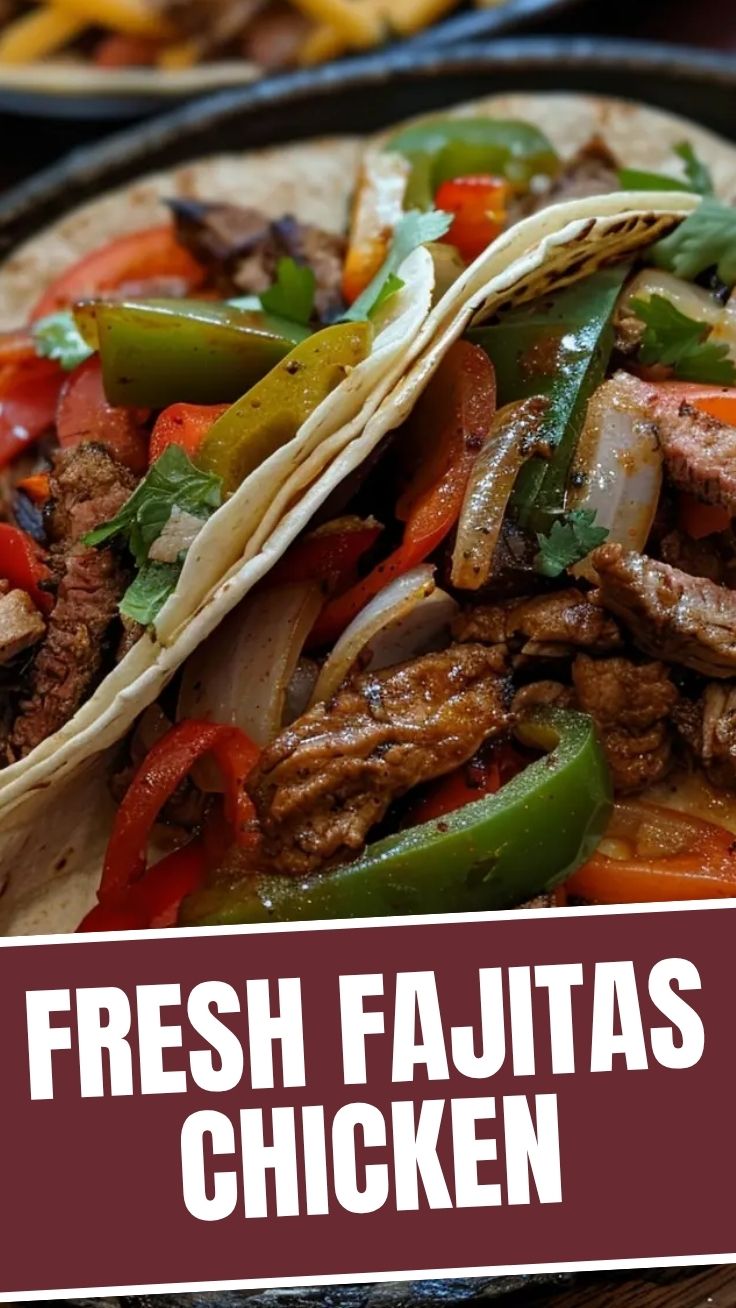
Ever dreamt of recreating that irresistible restaurant-quality sizzle and aroma in your own kitchen? That smoky, zesty magic that makes your taste buds dance? Look no further! Preparing Fajitas (Chicken or Beef) at home isn’t just about saving money; it’s about crafting an unforgettable culinary experience tailored to your exact preferences. This comprehensive guide will empower you to master the art of homemade fajitas, from perfectly marinated proteins to vibrant, crisp vegetables, all infused with that quintessential fajita seasoning. Get ready to transform everyday ingredients into a fiesta of flavors!
Ingredients & Kitchen Tools
Here’s everything you’ll need to create your fajita masterpiece:
- Proteins:
* 1.5 lbs Boneless, Skinless Chicken Breast or Skirt/Flank Steak: Choose based on preference. Skirt or flank steak offers a richer, beefier flavor; chicken breast is leaner and cooks quicker.
* 2-3 tbsp Olive Oil: For marinating and sautéing, adds moisture and aids browning.
- Vegetables:
* 2 Bell Peppers (Assorted Colors): Red, yellow, and orange add sweetness and vibrant color. Cut into thin strips.
* 1 Large Onion: Yellow or white onion, sliced thinly for a balanced sweet and pungent flavor.
- Flavor Boosters:
* 2-3 tbsp Fajita Seasoning: Essential for that signature Tex-Mex flavor. Store-bought or homemade (see variations).
* 2 Cloves Garlic: Minced, for aromatic depth.
* 1 Lime: Juiced, to brighten flavors and tenderize meat.
* 1/4 cup Fresh Cilantro: Chopped, for garnish and fresh herbaceous notes.
- Accompaniments:
* 8-12 Flour or Corn Tortillas: Warm them up for the best experience.
* Optional Toppings: Salsa, guacamole, sour cream, shredded cheese, pickled jalapeños.
Kitchen Tools:
- Large Skillet or Cast Iron Pan: For high-heat searing. Cast iron provides superior heat retention for that coveted sizzle.
- Large Mixing Bowl: For marinating.
- Sharp Knife & Cutting Board: For prepping ingredients.
- Tongs: For easy flipping.
- Ziploc Bag (Optional): For marinating, ensures even coating.
Prep Time & Cooking Schedule
- Prep Time: 15-20 minutes
- Marinating Time: 30 minutes to 2 hours (can be overnight for deeper flavor and tenderness)
- Cook Time: 15-20 minutes
- Total Time: 1 hour – 2 hours 30 minutes (depending on marinating duration)
Plan to marinate your protein first. While it’s marinating, you can chop your vegetables and prepare your toppings. This allows for efficient workflow and ensures everything is ready once the cooking begins.
Step-by-Step Instructions
1. Prepare the Protein: Slice your chicken breast or steak into thin strips, against the grain for steak to ensure tenderness. In a large bowl or Ziploc bag, combine the sliced protein with 1 tbsp olive oil, 1.5 tbsp fajita seasoning, garlic, and half of the lime juice. Mix well to ensure everything is evenly coated. Marinate in the refrigerator for at least 30 minutes, or up to 2 hours. This step is crucial for infusing flavor into your Fajitas (Chicken or Beef).
2. Sauté the Vegetables: Heat 1 tbsp of olive oil in your large skillet or cast iron pan over medium-high heat until shimmering. Add the sliced onions and bell peppers. Cook, stirring occasionally, for 5-7 minutes until they are tender-crisp and slightly charred. Remove vegetables from the pan and set aside.
3. Cook the Protein: Increase the heat to high. If necessary, add another 1 tbsp of olive oil to the pan. Once the pan is smoking slightly, add the marinated protein in a single layer, being careful not to overcrowd the pan (cook in batches if needed). Sear for 2-3 minutes per side, until well-browned and cooked through. Chicken should reach an internal temperature of 165°F (74°C), and steak to your desired doneness.
4. Combine and Serve: Return the cooked vegetables to the pan with the protein. Squeeze the remaining lime juice over the mixture and toss to combine. Garnish with fresh cilantro. Warm your tortillas according to package instructions. Serve the sizzling fajita mixture immediately with warm tortillas and your favorite toppings.
Nutritional Benefits & Advantages
Homemade fajitas are a fantastic way to enjoy a balanced and flavorful meal. The bell peppers are packed with Vitamin C and antioxidants, while onions provide prebiotic fiber. Lean chicken or steak offers a significant protein boost, essential for muscle repair and satiety. By controlling the amount of oil and choosing fresh ingredients, you can make these fajitas a healthier alternative to many restaurant versions, often high in sodium and unhealthy fats. The vibrant array of vegetables adds essential vitamins, minerals, and dietary fiber, contributing to overall well-being.
Tips, Variations & Cooking Advice
- Spicier Kick: Add a pinch of cayenne pepper or a diced jalapeño to your fajita seasoning.
- Smoky Flavor: A teaspoon of smoked paprika in your seasoning blend will enhance the smoky notes.
- Vegetarian Fajitas: Swap chicken/beef for portobello mushrooms, extra firm tofu, or even chickpeas. Marinate them similarly for great flavor.
- Homemade Seasoning: Combine chili powder, cumin, paprika, onion powder, garlic powder, dried oregano, salt, and black pepper. Adjust ratios to your taste!
- Resting Meat (Beef): If using steak, let it rest for 5 minutes after cooking before slicing to keep juices locked in.
- Tortilla Warming: Warm tortillas in a dry skillet, microwave, or wrapped in foil in the oven for softness and pliability.
Common Mistakes to Avoid
- Overcrowding the Pan: This lowers the pan temperature, steaming the meat and vegetables instead of searing them, leading to a less desirable texture. Cook in batches if necessary.
- Cutting Meat Too Thick: Thick cuts take longer to cook and can be chewier. Aim for thin, even strips.
- Under-Seasoning: Don’t be shy with the fajita seasoning! It’s the heart of the dish.
- Overcooking Vegetables: They should be tender-crisp, not mushy. Remove them from the pan before they lose their bite.
- Not Enough Heat: High heat is crucial for achieving that characteristic sizzle and delicious browning on both the protein and vegetables.
Storage & Meal Prep Tips
Leftover fajita mixture can be stored in an airtight container in the refrigerator for up to 3-4 days. It’s excellent for meal prep! Reheat gently in a skillet over medium heat or in the microwave until warmed through. To maintain texture, avoid overheating. You can also freeze cooked fajita mixture for up to 3 months; thaw overnight in the refrigerator before reheating. Just note that vegetables might be a bit softer after freezing.
Conclusion
Crafting delicious homemade Fajitas (Chicken or Beef) is a truly rewarding experience that brings vibrant flavors and restaurant-quality sizzle directly to your table. With the right ingredients, a good fajita seasoning, and these clear instructions, you’re well on your way to becoming a fajita master. Don’t hesitate to experiment with different proteins, veggies, and seasonings to find your ultimate combination. Give this recipe a try, share your culinary triumphs in the comments below, and get ready to impress your family and friends with an unforgettable Tex-Mex feast!
FAQs
Q1: Can I make the fajita seasoning from scratch?
A1: Absolutely! A common blend includes chili powder, ground cumin, smoked paprika, garlic powder, onion powder, dried oregano, salt, and black pepper. You can adjust the ratios to suit your taste.
Q2: What’s the best type of pan for making fajitas?
A2: A cast iron skillet is ideal because it retains heat exceptionally well, ensuring a fantastic sear and that signature sizzle. A heavy-bottomed stainless steel pan will also work great.
Q3: How do I prevent my meat from drying out?
A3: For chicken, avoid overcooking by removing it from the heat as soon as it’s cooked through. For steak, ensure you cut against the grain after resting it. Marinating also helps tenderize and retain moisture. Cook at high heat quickly.
Q4: Can I prepare the vegetables and meat ahead of time?
A4: Yes! You can slice and marinate the meat up to 24 hours in advance. Vegetables can be chopped and stored in an airtight container for a day or two in the refrigerator. This makes assembly on cooking day much quicker.