Unlock the Secret to the Best Vegetable Soup You’ll Ever Make!
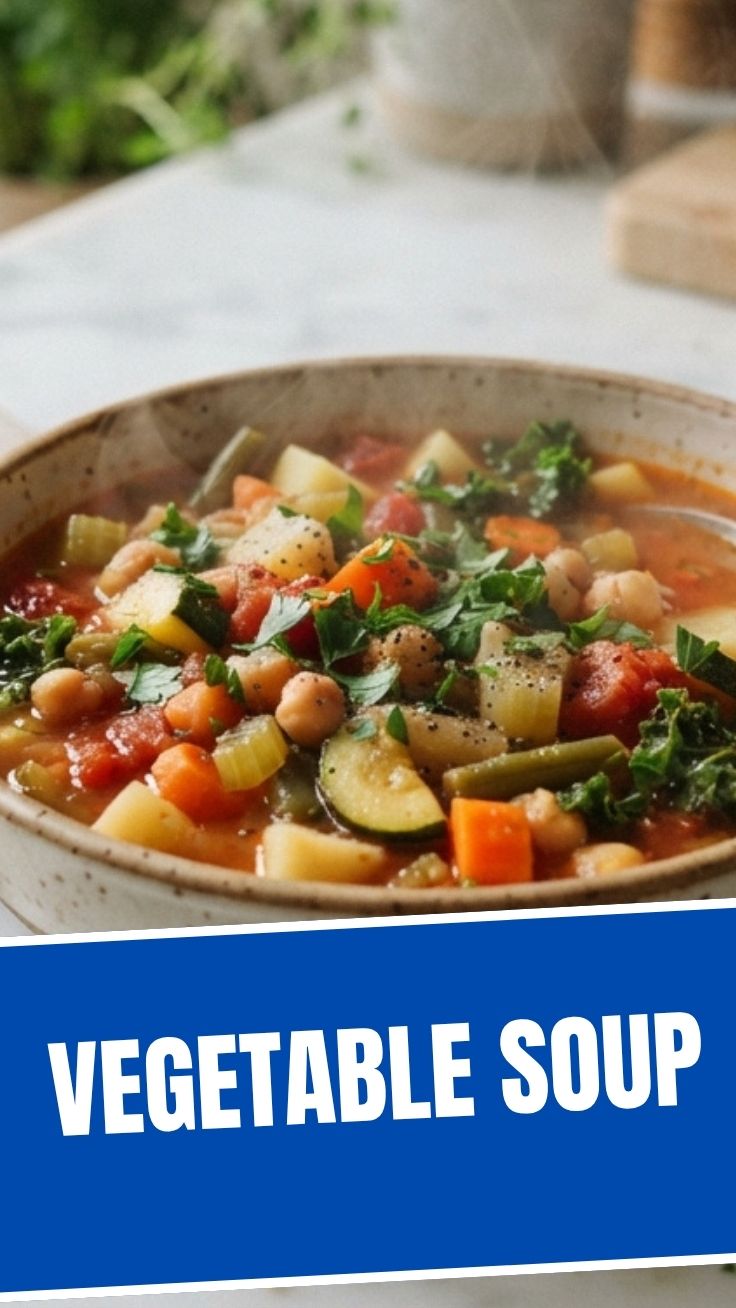
Tired of bland, store-bought soups that leave you wanting more? Imagine a bowl brimming with vibrant, wholesome ingredients, slow-simmered to perfection, offering warmth and nourishment in every spoonful. There’s an undeniable magic in creating something delicious from scratch, and when it comes to comforting meals, few dishes rival a perfectly executed bowl of Vegetable Soup. This blog post will guide you through crafting a truly exceptional Homemade Vegetable Soup that will become a staple in your culinary repertoire. Get ready to transform simple garden goodness into a hearty, satisfying experience!
Ingredients & Kitchen Tools
To embark on your journey to the perfect hearty Vegetable Soup, gather these essentials:
- 2 tablespoons olive oil: For sautéing aromatics and building a flavorful base.
- 1 large onion, chopped: Provides sweetness and depth of flavor.
- 2 carrots, peeled and diced: Adds natural sweetness and vibrant color.
- 2 celery stalks, diced: Contributes a classic aromatic note.
- 2 cloves garlic, minced: Essential for a robust flavor profile.
- 1 (28-ounce) can crushed tomatoes: Forms the rich, savory broth.
- 6 cups vegetable broth (low sodium preferred): The liquid foundation of your soup.
- 1 cup chopped green beans: Adds crispness and a touch of green.
- 1 cup frozen corn kernels: Offers sweetness and a pleasant texture.
- 1 cup frozen peas: A quick and easy way to add another layer of sweetness.
- 2 medium potatoes, peeled and diced: Contributes heartiness and thickens the soup slightly.
- 1 teaspoon dried oregano: A classic herb that complements vegetables beautifully.
- 1/2 teaspoon dried basil: Enhances the overall aromatic complexity.
- Salt and freshly ground black pepper to taste: Crucial for seasoning and balancing flavors.
- Fresh parsley or cilantro, chopped (for garnish): Adds freshness and visual appeal.
Kitchen Tools:
- Large Dutch oven or stockpot (5-6 quart): Ideal for even cooking and ample space.
- Cutting board and sharp knife: For efficient vegetable preparation.
- Measuring cups and spoons: For precise ingredient amounts.
- Wooden spoon or spatula: For stirring and scraping the bottom of the pot.
Prep Time & Cooking Schedule
- Prep Time: 20 minutes (for chopping and gathering ingredients)
- Cook Time: 45-60 minutes (simmering until vegetables are tender)
This recipe is perfect for a cozy evening meal or as a make-ahead lunch option. The prep work is straightforward, focusing mainly on dicing vegetables. The simmering time allows the flavors to meld beautifully, creating a more complex and satisfying broth.
Step-by-Step Instructions
1. Sauté Aromatics: Heat olive oil in a large Dutch oven or stockpot over medium heat. Add chopped onion, carrots, and celery. Sauté for 8-10 minutes, or until softened and translucent, stirring occasionally. This step is crucial for building a flavorful base for your Vegetable Soup.
2. Add Garlic and Seasonings: Stir in minced garlic and cook for another minute until fragrant. Be careful not to burn the garlic. Add dried oregano and basil, stirring to coat the vegetables.
3. Incorporate Liquids and Tomatoes: Pour in the crushed tomatoes and vegetable broth. Stir well to combine, scraping any browned bits from the bottom of the pot – these add extra flavor!
4. Introduce Hearty Vegetables: Add the diced potatoes. Bring the soup to a gentle simmer, then reduce heat to low, cover, and cook for 15-20 minutes, or until the potatoes are almost tender.
5. Finish with Quick-Cooking Vegetables: Stir in the green beans, frozen corn, and frozen peas. Continue to simmer for another 10-15 minutes, or until all the vegetables are tender but not mushy. This ensures every component of your Homemade Vegetable Soup is perfectly cooked.
6. Season and Serve: Season generously with salt and freshly ground black pepper to taste. Taste and adjust seasonings as needed. Ladle hot soup into bowls and garnish with fresh parsley or cilantro, if desired.
Nutritional Benefits & Advantages
This vibrant Vegetable Soup is a powerhouse of nutrition. Loaded with an array of colorful vegetables, it provides essential vitamins, minerals, and dietary fiber, promoting digestive health and boosting immunity. The low-calorie, high-fiber content makes it an excellent choice for weight management, while the abundance of antioxidants helps combat oxidative stress. Opting for low-sodium broth further enhances its health benefits, making it suitable for those monitoring their sodium intake. It’s a naturally gluten-free and vegan-friendly option, catering to various dietary needs without compromising on flavor or satisfaction.
Tips, Variations & Cooking Advice
- Spice it Up: Add a pinch of red pepper flakes for a subtle kick, or a dash of your favorite hot sauce for more heat.
- Herb Variations: Experiment with other fresh herbs like thyme or rosemary for different flavor profiles.
- Protein Boost: For a more substantial meal, add cooked cannellini beans, chickpeas, or shredded chicken during the last 10 minutes of simmering.
- Creamy Texture: For a richer soup, stir in a splash of coconut milk or a tablespoon of nutritional yeast at the end.
- Roast Your Vegetables: Roasting some of the harder vegetables like carrots and potatoes before adding them to the soup can deepen their flavor and add a delightful caramelization.
Common Mistakes to Avoid
- Overcooking Vegetables: This is the most common pitfall. Aim for tender-crisp vegetables, not mushy ones. Add quick-cooking vegetables later in the process.
- Under-Seasoning: Don’t be shy with salt and pepper! Taste as you go and adjust. A well-seasoned soup is a flavorful soup.
- Rushing the Sauté: Sautéing the aromatics properly at the beginning builds the foundation of flavor. Don’t skip or shorten this step.
- Too Much Liquid: If your soup seems too thin, let it simmer uncovered for a bit longer to reduce, or mash a few of the potatoes against the side of the pot to naturally thicken it.
Storage & Meal Prep Tips
Leftover Vegetable Soup is fantastic! Allow it to cool completely before transferring to airtight containers. It will keep well in the refrigerator for up to 3-4 days. For longer storage, freeze portions in freezer-safe containers or bags for up to 3 months. When reheating, gently warm on the stovetop over medium-low heat, stirring occasionally, until heated through. Add a splash of broth or water if it seems too thick.
Conclusion
There’s nothing quite as comforting and nourishing as a bowl of homemade soup, and mastering the art of creating a perfect Vegetable Soup is a rewarding experience. This recipe for Homemade Vegetable Soup promises a delightful culinary journey from your kitchen to your table, packed with wholesome goodness and incredible flavor. So, gather your ingredients, follow these simple steps, and prepare to enjoy a truly satisfying meal that’s both delicious and incredibly good for you. We encourage you to try this recipe and share your delicious creations with us!
FAQs
Q1: Can I use different vegetables in this soup?
A1: Absolutely! This recipe is incredibly versatile. Feel free to incorporate your favorite seasonal vegetables like zucchini, spinach (add at the very end), or bell peppers. Adjust cooking times based on the vegetables’ firmness.
Q2: How can I make this soup creamier without dairy?
A2: For a dairy-free creamy texture, you can blend a portion of the soup (about 1-2 cups) and then return it to the pot. Alternatively, add a quarter cup of cashews (soaked and blended with a little water) or a few tablespoons of coconut cream at the end of cooking.
Q3: My soup is too thin/thick. How can I fix it?
A3: If it’s too thin, simmer uncovered for an additional 10-15 minutes to allow some liquid to evaporate. If it’s too thick, simply add a bit more vegetable broth or water until you reach your desired consistency.
Q4: Can I make this soup in a slow cooker?
A4: Yes! Sauté the aromatics (onion, carrots, celery, garlic) first, then transfer them to your slow cooker. Add all other ingredients except for frozen peas and corn. Cook on low for 6-8 hours or on high for 3-4 hours. Add the frozen peas and corn during the last 30 minutes of cooking.