Unlock Flavor: Your Guide to a Savory Turkey Tenderloin!
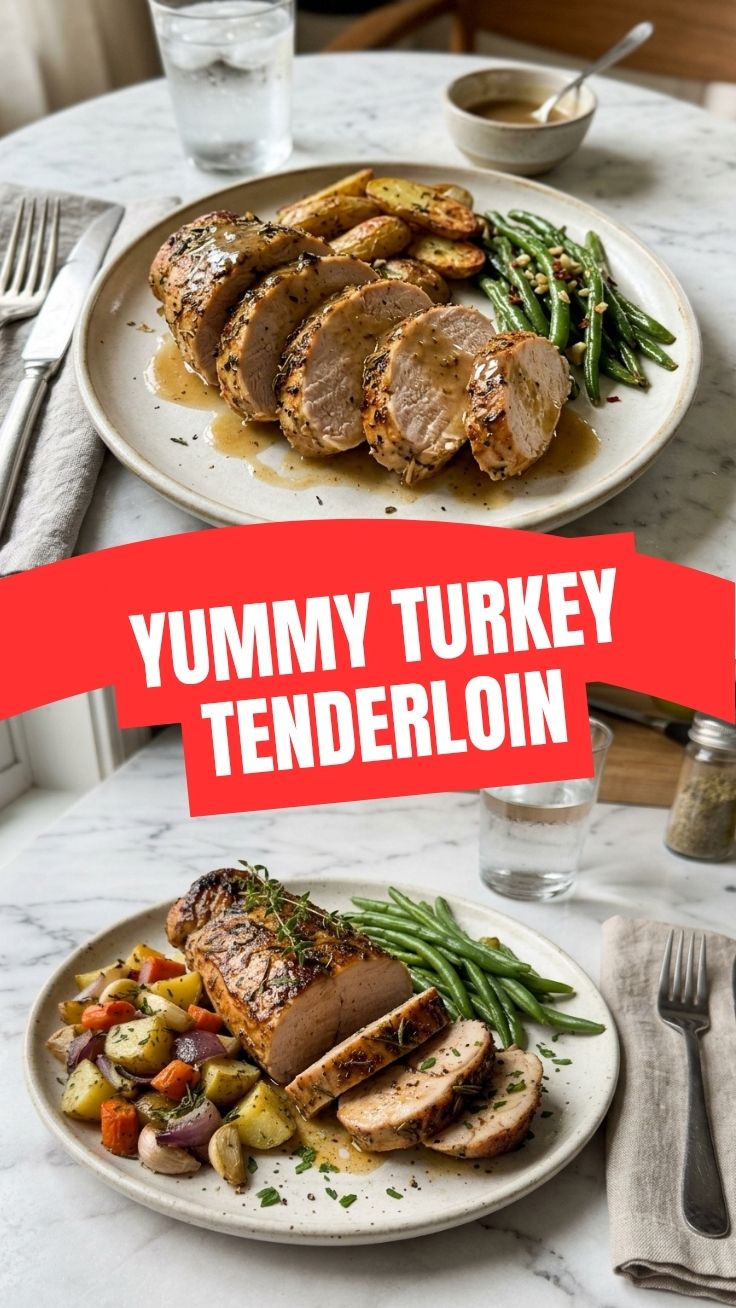
Ever wondered how to transform a simple cut of meat into a succulent, show-stopping centerpiece that rivals even the most elaborate holiday spreads? Preparing a mouthwatering Turkey Tenderloin at home offers not just culinary satisfaction, but also the joy of crafting a wholesome, personalized meal. Forget dry, bland poultry – we’re about to delve into a recipe that guarantees juicy perfection, perfect for weeknight dinners or even as a lighter alternative to traditional Thanksgiving Turkey Recipes. This guide will walk you through every step, ensuring your savory turkey tenderloin is a triumph.
Ingredients & Kitchen Tools
Gather your culinary arsenal! Here’s what you’ll need for this delectable journey:
- 1.5-2 lbs Turkey Tenderloin: The star of our show, choose a high-quality tenderloin for best results.
- 2 tbsp Olive Oil: For searing and flavor; extra virgin is preferred.
- 1 tbsp Fresh Rosemary (chopped): Adds an aromatic, earthy note. Dried rosemary can be used (1 tsp).
- 1 tbsp Fresh Thyme (chopped): Complements the rosemary beautifully. Dried thyme can be used (1 tsp).
- 2 cloves Garlic (minced): Essential for a savory depth.
- 1 tsp Smoked Paprika: Provides a subtle smoky sweetness and beautiful color.
- ½ tsp Black Pepper (freshly ground): For a piquant kick.
- ½ tsp Sea Salt: Enhances all the flavors. Adjust to taste.
- ½ cup Chicken or Turkey Broth: Adds moisture and helps deglaze the pan.
- 2 tbsp Unsalted Butter: For richness and a beautiful finish.
- Optional: ½ Lemon (juiced): Brightens the flavors at the end.
- Optional: 1 tbsp Dijon Mustard: For an added layer of tang in the marinade.
Kitchen Tools:
- Large Skillet (oven-safe, cast iron preferred): For searing on the stovetop and finishing in the oven.
- Meat Thermometer: Crucial for ensuring perfect doneness and food safety.
- Cutting Board: For prepping ingredients and resting the turkey.
- Sharp Knife: For precise chopping and slicing.
- Small Bowl: For mixing the herb rub.
- Tongs: For easy handling of the tenderloin.
- Aluminum Foil: For resting the cooked turkey.
Prep Time & Cooking Schedule
Planning is key for a stress-free cooking experience!
- Prep Time: 15 minutes (includes making the rub and trimming the tenderloin)
- Marinating Time (Optional but Recommended): 30 minutes to 2 hours (or even overnight in the fridge for deeper flavor). This allows the flavors to truly penetrate the meat.
- Cook Time: 20-30 minutes (depending on thickness and oven temperature).
- Resting Time: 10 minutes. Do not skip this! It ensures juicy meat.
Step-by-Step Instructions
Let’s get cooking! Follow these steps for a perfectly cooked Turkey Tenderloin.
1. Prepare the Turkey: Pat the turkey tenderloin dry with paper towels. Trim any silver skin or excess fat. In a small bowl, combine olive oil, chopped rosemary, thyme, minced garlic, smoked paprika, black pepper, and sea salt. Rub this mixture evenly over the entire tenderloin. If marinating, cover and refrigerate for 30 minutes to 2 hours. This simple step elevates it beyond basic Thanksgiving Turkey Recipes.
2. Preheat Oven: Preheat your oven to 375°F (190°C).
3. Sear the Tenderloin: Heat a large oven-safe skillet (cast iron works wonderfully) over medium-high heat. Once hot, carefully place the tenderloin in the skillet. Sear for 2-3 minutes per side until golden brown and a beautiful crust has formed. This locks in the juices.
4. Finish in the Oven: Transfer the skillet to the preheated oven. Roast for 15-20 minutes, or until an internal meat thermometer inserted into the thickest part reads 160°F (71°C). The temperature will rise a few degrees during resting.
5. Rest and Finish: Remove the skillet from the oven. Transfer the turkey tenderloin to a cutting board, tent it loosely with aluminum foil, and let it rest for 10 minutes. While it rests, you can add butter and chicken broth to the hot skillet, scraping up any browned bits from the bottom to create a delicious pan sauce. Add a squeeze of lemon juice if desired.
6. Serve: Slice the turkey tenderloin against the grain into ½-inch thick medallions. Drizzle with the pan sauce and serve immediately.
Nutritional Benefits & Advantages
Turkey tenderloin is a lean protein powerhouse! It’s an excellent source of essential amino acids, providing fuel for muscle growth and repair. Low in fat and calories, it’s a fantastic choice for those watching their waistline or aiming for a healthier diet. It also offers B vitamins (Niacin, B6, B12) which are crucial for energy metabolism, and minerals like selenium and zinc, vital for immune function. By opting for this savory turkey tenderloin, you’re choosing a wholesome and satisfying meal.
Tips, Variations & Cooking Advice
- Flavor Variations: Experiment with different herbs like sage or marjoram. Try a spicier rub with cayenne pepper or chili powder.
- Ingredient Swaps: Use balsamic vinegar instead of lemon juice for a different tang. Swap chicken broth for white wine for a more sophisticated sauce.
- Alternative Cooking Methods: This tenderloin can also be grilled! Follow step 1 for seasoning, then grill over medium-high heat for 4-6 minutes per side, or until it reaches 160°F (71°C) internal temperature.
- Dietary Adaptations: This recipe is naturally gluten-free and dairy-free if you omit the butter (use olive oil for the sauce).
- Portion Control: A 4-ounce serving of cooked turkey tenderloin is a healthy portion.
Common Mistakes to Avoid
- Overcooking: The biggest culprit of dry turkey! Always use a meat thermometer and aim for 160°F (71°C) as it will continue to cook while resting.
- Not Resting: Skipping the resting step allows juices to escape when sliced, resulting in a drier meat.
- Ignoring Silver Skin: This tough membrane won’t render down and should be trimmed for a more pleasant texture.
- Cold Meat: Starting with very cold tenderloin can lead to uneven cooking. Let it sit at room temperature for 15-20 minutes before cooking.
Storage & Meal Prep Tips
Leftover turkey tenderloin is fantastic for meal prep!
- Refrigeration: Store cooked and cooled turkey tenderloin in an airtight container in the refrigerator for up to 3-4 days.
- Freezing: For longer storage, slice the cooled tenderloin and freeze in a single layer on a baking sheet before transferring to a freezer-safe bag or container for up to 3 months. Thaw overnight in the refrigerator.
- Reheating: To maintain moisture, reheat gently in a skillet with a splash of broth, or in the oven at 300°F (150°C) until just warmed through. Avoid microwaving on high, as this can dry out the meat.
Conclusion
There you have it – a foolproof guide to crafting an incredibly flavorful and juicy Turkey Tenderloin that’s sure to impress. This recipe proves that even simple cuts can become extraordinary with the right technique and seasoning, offering a delicious alternative to many traditional Thanksgiving Turkey Recipes. We encourage you to try this recipe, experiment with your own twists, and savor the delicious results. Don’t forget to share your culinary triumphs in the comments below!
FAQs
Q1: Can I marinate the turkey tenderloin overnight?
A1: Absolutely! Marinating overnight (up to 24 hours) will allow the flavors to penetrate even deeper, resulting in an even more tender and flavorful turkey tenderloin.
Q2: What if I don’t have an oven-safe skillet?
A2: You can sear the tenderloin in any skillet, then transfer it to an oven-safe baking dish to finish cooking in the oven.
Q3: How do I know when the turkey is fully cooked?
A3: The most reliable way is to use a meat thermometer. Insert it into the thickest part of the tenderloin; it should read 160°F (71°C) when removed from the oven.
Q4: Can I use different herbs?
A4: Yes, feel free to customize the herb rub to your liking. Sage, marjoram, or even a poultry seasoning blend work wonderfully with turkey.
Q5: What are good side dishes to serve with this turkey tenderloin?
A5: This savory turkey tenderloin pairs beautifully with roasted vegetables (like asparagus, Brussels sprouts, or root vegetables), mashed potatoes, wild rice, or a fresh green salad.