Savor the Flavor: Mastering Homemade Teriyaki Chicken
Ever wondered how to bring the magic of restaurant-quality Teriyaki Chicken right into your own kitchen? This iconic dish, with its perfect balance of sweet and savory, is a comfort food staple that often seems intimidating to recreate. But what if I told you that crafting your very own succulent teriyaki masterpiece is not only achievable but also incredibly rewarding? Preparing this beloved Japanese recipes at home allows for complete control over ingredients, ensuring a healthier and more flavorful experience tailored to your exact preferences. Ditch the store-bought sauces and embark on a culinary journey that promises tender chicken coated in a glossy, irresistible glaze.
Ingredients & Kitchen Tools
To embark on your homemade Teriyaki Chicken adventure, gather these essential ingredients and tools:
Ingredients:
- 1.5 lbs Boneless, Skinless Chicken Thighs: Preferred for their moistness and richer flavor, though chicken breast can be substituted for a leaner option. Cut into 1-inch pieces.
- 1/2 cup Soy Sauce: Low-sodium is recommended for better control over saltiness. The foundation of our teriyaki sauce.
- 1/4 cup Mirin: A sweet rice wine essential for authentic Japanese flavor and that signature glaze. Look for “hon mirin” for the best quality.
- 2 tablespoons Sake (optional): Another Japanese rice wine that adds depth and tenderizes the chicken. Dry sherry can be a substitute.
- 2 tablespoons Brown Sugar (packed): Adds sweetness and contributes to the teriyaki’s caramelized finish. Adjust to your sweetness preference.
- 1 tablespoon Fresh Ginger, grated: Provides a warm, zesty kick that brightens the sauce.
- 2 cloves Garlic, minced: Adds aromatic depth and savory notes.
- 1 tablespoon Cornstarch (mixed with 2 tbsp cold water): Creates a slurry to thicken the sauce to a perfect, glossy consistency.
- 1 tablespoon Sesame Oil: Used for sautéing the chicken and adds a nutty aroma to the finished dish.
- 2 tablespoons Vegetable Oil: For cooking the chicken.
- Garnish Options: Toasted sesame seeds, sliced green onions, and/or red pepper flakes for an extra touch of flavor and visual appeal.
Kitchen Tools:
- Large Skillet or Wok: For cooking the chicken and simmering the sauce. A non-stick pan is ideal.
- Small Whisk: For blending the sauce ingredients smoothly.
- Measuring Cups and Spoons: For accurate ingredient proportions.
- Cutting Board and Sharp Knife: For preparing the chicken and aromatics.
- Small Bowl: For mixing the cornstarch slurry.
- Tongs or Spatula: For flipping and stirring the chicken.
Prep Time & Cooking Schedule
- Prep Time: 15 minutes
- Marinating Time: 30 minutes (minimum) to 2 hours (recommended for deeper flavor)
- Cook Time: 15-20 minutes
- Resting Time: 5 minutes (after cooking, for chicken to reabsorb juices)
This recipe is perfect for a weeknight meal if you marinate the chicken in advance. A quick 30-minute marinade will still yield delicious results, but allowing it to soak for a couple of hours will significantly enhance the flavor penetration, making the Teriyaki Chicken even more succulent.
Step-by-Step Instructions
1. Prepare the Teriyaki Sauce: In a medium bowl, whisk together the soy sauce, mirin, sake (if using), brown sugar, grated ginger, and minced garlic until the sugar dissolves. This forms the base of your rich teriyaki glaze.
2. Marinate the Chicken: Add the cubed chicken thighs to the teriyaki sauce, ensuring all pieces are well coated. Cover the bowl and refrigerate for at least 30 minutes, or up to 2 hours, allowing the chicken to absorb the savory flavors.
3. Cook the Chicken: Heat the vegetable oil and sesame oil in a large skillet or wok over medium-high heat. Remove the chicken from the marinade, reserving the marinade. Sear the chicken in batches, if necessary, to avoid overcrowding the pan, which can steam the chicken instead of browning it. Cook for 3-4 minutes per side until golden brown and cooked through. Remove the chicken from the pan and set aside.
4. Simmer the Sauce: Pour the reserved marinade into the same skillet. Bring it to a simmer over medium heat. In a small bowl, whisk together the cornstarch and cold water to create a slurry. Gradually whisk the slurry into the simmering sauce. Continue to cook, stirring constantly, until the sauce thickens to a glossy, syrupy consistency. This typically takes 2-3 minutes.
5. Combine and Glaze: Return the cooked Teriyaki Chicken to the skillet with the thickened sauce. Toss the chicken gently to coat it completely with the luscious teriyaki glaze. Simmer for another 1-2 minutes, allowing the flavors to meld beautifully, a hallmark of excellent Japanese recipes.
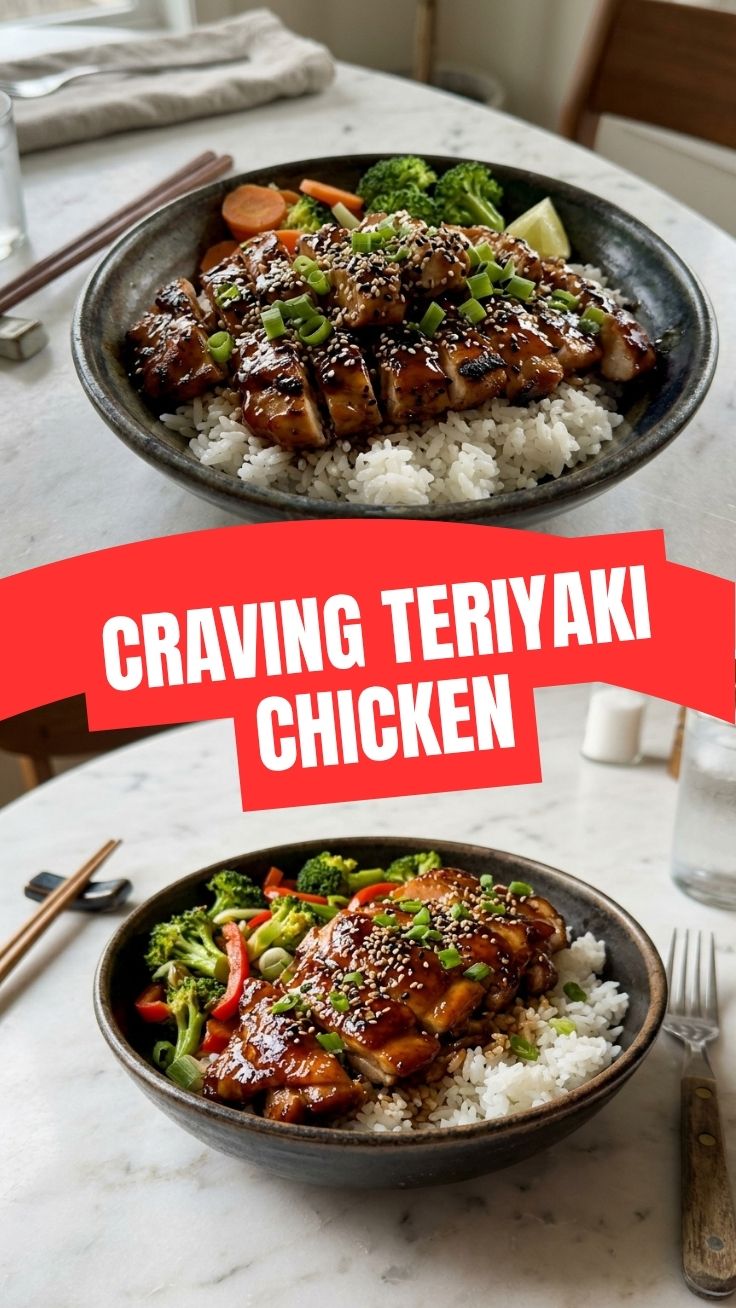
6. Serve: Transfer the glazed Teriyaki Chicken to a serving platter. Garnish with toasted sesame seeds and sliced green onions, and serve immediately with steamed rice and your favorite vegetables.
Nutritional Benefits & Advantages
Homemade Teriyaki Chicken, especially when prepared with lean chicken thighs, offers several nutritional advantages. Chicken is an excellent source of lean protein, essential for muscle repair and growth. Opting for low-sodium soy sauce reduces overall sodium intake, while the absence of artificial preservatives often found in store-bought sauces makes this a healthier choice. Ginger and garlic not only add incredible flavor but also boast anti-inflammatory and immune-boosting properties. By controlling the amount of sugar, you can significantly reduce the calorie and sugar content compared to many restaurant or pre-packaged versions.
Tips, Variations & Cooking Advice
- Spicy Kick: Add a pinch of red pepper flakes to the sauce for a delightful heat.
- Vegetable Boost: Sauté some broccoli florets, bell peppers, or snap peas and add them to the pan during the last few minutes of cooking for a complete meal.
- Gluten-Free: Use tamari instead of soy sauce for a gluten-free version. Ensure mirin is also gluten-free.
- Alternative Proteins: This recipe works wonderfully with salmon fillets, shrimp, or even firm tofu for a vegetarian option. Adjust cooking times accordingly.
- Thicker Glaze: If you prefer an even thicker glaze, you can add slightly more cornstarch slurry.
Common Mistakes to Avoid
- Overcrowding the Pan: This leads to steamed, grey chicken rather than beautifully seared and browned pieces. Cook in batches if your pan is not large enough.
- Burning the Sauce: The sugar in the teriyaki sauce can burn quickly. Keep the heat at medium and stir constantly once the sauce is simmering and thickening.
- Not Marinating Long Enough: While 30 minutes is fine, a longer marinade (1-2 hours) drastically improves flavor penetration and tenderness.
- Under-thickening the Sauce: Ensure the cornstarch slurry is fully incorporated and the sauce has reached a glossy, syrupy consistency, not watery.
Storage & Meal Prep Tips
Leftover Teriyaki Chicken can be stored in an airtight container in the refrigerator for up to 3-4 days. It’s excellent for meal prep and makes a fantastic addition to lunchboxes. To reheat, gently warm the chicken in a skillet over medium-low heat or in the microwave until heated through, adding a splash of water or broth if the sauce has thickened too much. Freezing is also an option; store in freezer-safe bags or containers for up to 2-3 months. Thaw overnight in the refrigerator before reheating.
Conclusion
Creating your own homemade Teriyaki Chicken is a deeply satisfying experience, offering a burst of authentic flavors that far surpass any takeout. This recipe, a true gem among Japanese recipes, not only tastes incredible but also gives you the freedom to customize it to your dietary needs and taste preferences. We encourage you to try this recipe, experiment with the variations, and share your culinary successes with us! Dive into the delightful world of homemade teriyaki – your taste buds will thank you.
FAQs
Q1: Can I use chicken breast instead of thighs?
A1: Yes, absolutely! Chicken breast works well, but it tends to be drier. Shorten the cooking time slightly to prevent it from becoming tough.
Q2: What can I use if I don’t have sake or mirin?
A2: For mirin, you can use a dry white wine with a pinch of sugar, or even apple juice with a touch more soy sauce. For sake, dry sherry is a good substitute.
Q3: How do I make the sauce thicker or thinner?
A3: To thicken, mix a small amount of cornstarch with cold water and slowly add it to the simmering sauce until desired consistency. To thin, add a tablespoon of water or broth at a time until it reaches your preference.
Q4: Can I marinate the chicken overnight?
A4: Yes, you can marinate chicken overnight for up to 12-18 hours in the refrigerator. Any longer can sometimes break down the chicken’s texture due to the acidity of the sauce.
Q5: What are good side dishes to serve with Teriyaki Chicken?
A5: Steamed white or brown rice, stir-fried vegetables, a simple cucumber salad, or even a light miso soup are excellent accompaniments to Teriyaki Chicken.