The Ultimate Guide to Creamy, Dreamy Scalloped Potatoes: A Home Cook’s Delight
Ever wondered how to achieve that perfectly tender, impossibly creamy potato dish that steals the show at any gathering? Look no further! This comprehensive guide will equip you with all the knowledge to master Scalloped Potatoes – a timeless classic that brings comfort and elegance to your table. Preparing this dish at home isn’t just about saving money; it’s about customizing flavors, ensuring fresh ingredients, and creating a truly memorable culinary experience. We’ll delve into every aspect, from selecting the right spuds to achieving that coveted golden-brown crust. Get ready to impress your family and friends with a homemade Potato Gratin that tastes like it came straight from a gourmet kitchen.
Ingredients & Kitchen Tools
Crafting the perfect Scalloped Potatoes requires a careful selection of ingredients and the right equipment.
Ingredients:
- 2.5 lbs Russet or Yukon Gold Potatoes: Ideal for their starch content, which helps create a creamy texture.
- 4 tablespoons Unsalted Butter: For sautéing and enriching the sauce.
- 4 tablespoons All-Purpose Flour: To create a roux, thickening the sauce.
- 3 cups Whole Milk: Provides the base for a rich, velvety sauce. For a lighter option, use 2% milk, but adjust seasoning.
- 1 cup Heavy Cream: Adds luxurious richness and unparalleled creaminess.
- 1 teaspoon Garlic Powder: For a subtle, aromatic kick. Fresh minced garlic can also be used.
- 1/2 teaspoon Onion Powder: Enhances the savory depth of the dish.
- 1/4 teaspoon Nutmeg: A secret ingredient that beautifully complements creamy potato dishes.
- Salt and Freshly Ground Black Pepper to taste: Essential for seasoning and balancing flavors.
- 2 cups Shredded Gruyère Cheese (or sharp cheddar): For that irresistible cheesy layer and flavor.
Kitchen Tools:
- Mandoline Slicer (optional but recommended): For uniformly thin potato slices, ensuring even cooking. A sharp knife works too.
- Large Saucepan: For preparing the béchamel-style sauce.
- Whisk: To ensure a smooth, lump-free sauce.
- 9×13 inch Baking Dish: The perfect size for this recipe.
- Oven Mitts: For safe handling of hot dishes.
- Measuring Cups and Spoons: For accurate ingredient portions.
Prep Time & Cooking Schedule
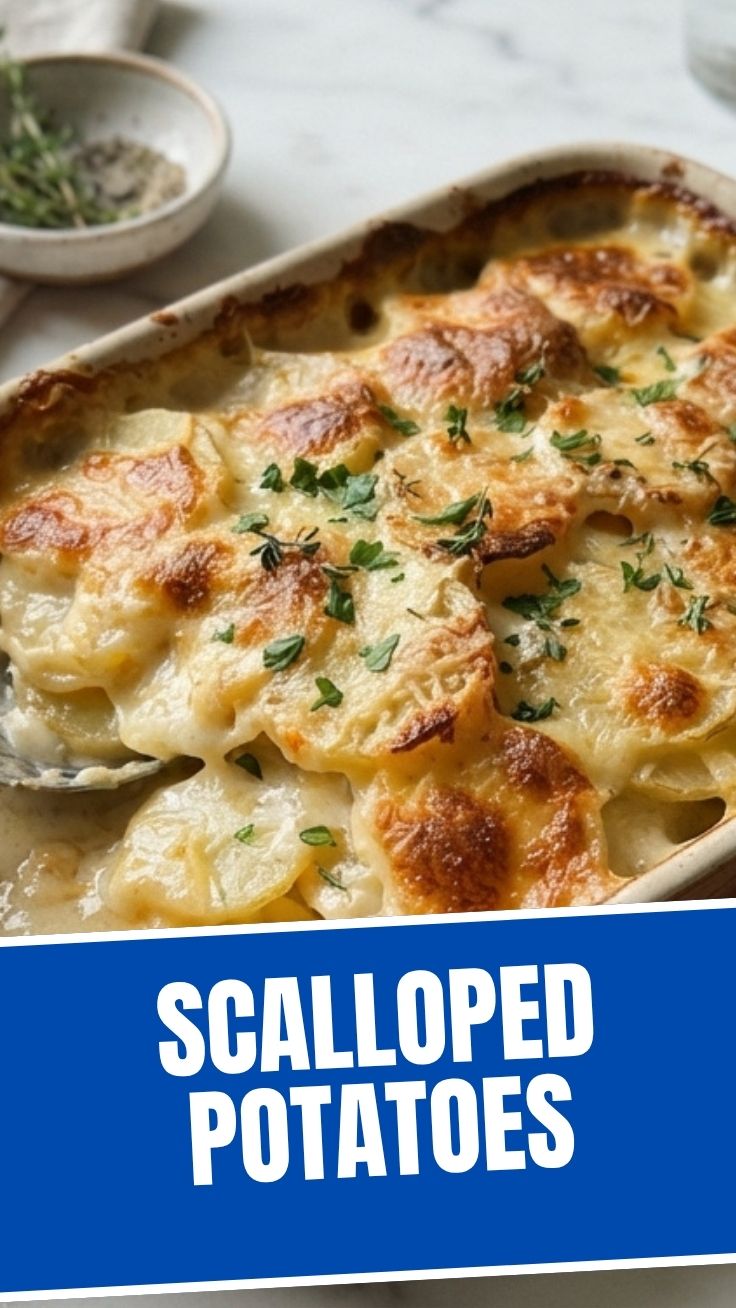
Planning is key to a stress-free cooking experience. This recipe allows for some flexibility, making it a great make-ahead option.
- Prep Time: 25 minutes (includes peeling and slicing potatoes, and preparing the sauce).
- Cook Time: 60-75 minutes (until potatoes are tender and top is golden brown).
- Resting Time: 10-15 minutes (crucial for the sauce to set and slices to firm up before serving).
Planning Tip: You can prepare the sauce and slice the potatoes up to 24 hours in advance. Store the sauce in an airtight container in the refrigerator and keep the sliced potatoes submerged in cold water to prevent browning. Assemble and bake just before serving.
Step-by-Step Instructions
Follow these detailed steps to create a truly unforgettable Scalloped Potatoes experience.
1. Preheat Oven & Prepare Potatoes: Preheat your oven to 375°F (190°C). Peel the potatoes and slice them uniformly thin, about 1/8 inch thick. A mandoline slicer is ideal for this to ensure even cooking. Arrange a single layer of potato slices slightly overlapping at the bottom of your greased 9×13 inch baking dish.
2. Make the Creamy Sauce: In a large saucepan over medium heat, melt the butter. Whisk in the flour and cook for 1 minute, stirring constantly, to create a roux. Gradually whisk in the milk and heavy cream until smooth. Bring to a gentle simmer, whisking frequently, until the sauce thickens. Stir in the garlic powder, onion powder, nutmeg, salt, and pepper. Taste and adjust seasoning as needed. The creamy consistency is vital for a rich Scalloped Potatoes.
3. Layer the Ingredients: Pour about one-third of the sauce over the initial layer of potatoes. Sprinkle with one-third of the shredded cheese. Repeat this layering process two more times, ending with a generous layer of sauce and cheese on top. Ensure the edges of the potatoes are well-covered with sauce to prevent them from drying out. This layering technique is also key to a successful Potato Gratin.
4. Bake to Perfection: Cover the baking dish loosely with aluminum foil and bake for 45 minutes. Remove the foil and continue to bake for another 15-30 minutes, or until the potatoes are fork-tender and the top is golden brown and bubbly.
5. Rest and Serve: Once baked, remove from the oven and let it rest for 10-15 minutes before serving. This allows the sauce to set and prevents it from being too runny.
Nutritional Benefits & Advantages
Beyond its undeniable deliciousness, this dish offers some noteworthy nutritional aspects. Potatoes are a good source of vitamin C, potassium, and vitamin B6. Milk and cream provide calcium and vitamin D, essential for bone health. While rich, portion control can help you enjoy this comforting dish as part of a balanced diet.
Tips Variations & Cooking Advice
- Flavor Boosts: Add a pinch of smoked paprika for a subtle smoky flavor, or a dash of cayenne pepper for a little heat. Fresh thyme or rosemary sprigs can also be tucked between layers for an herbal aroma.
- Cheesy Variations: Experiment with different cheese combinations! A blend of Gruyère, sharp cheddar, and a touch of Parmesan can elevate the flavor profile.
- Dairy-Free Option: Substitute butter with a plant-based alternative, milk with unsweetened almond or soy milk, and heavy cream with full-fat coconut milk (for a subtle coconut flavor) or a dairy-free cream alternative. Use nutritional yeast for a cheesy flavor alongside a plant-based cheese substitute.
- Add-ins: For a heartier dish, consider adding cooked, crumbled bacon or sautéed onions to the layers.
Common Mistakes to Avoid
- Uneven Potato Slices: This leads to some potatoes being overcooked and mushy, while others are undercooked and firm. Use a mandoline for consistency.
- Not Enough Sauce: A dry potato dish is a sad one! Ensure every layer of potatoes is adequately coated with sauce for maximum creaminess.
- Undercooked Potatoes: Patience is key. If the top is browning too quickly, cover it again with foil. The potatoes should be completely tender.
- Serving Immediately: Skipping the resting time can result in a runny dish. Allow it to set for a cohesive texture.
Storage & Meal Prep Tips
Storage: Leftover Scalloped Potatoes can be stored in an airtight container in the refrigerator for up to 3-4 days.
Freezing: This dish generally freezes well, though the texture might be slightly softer upon reheating. Freeze individual portions in freezer-safe containers for up to 2-3 months. Thaw in the refrigerator overnight before reheating.
Reheating: Reheat in the oven at 300°F (150°C) until warmed through, covering with foil to prevent drying out. You can also microwave individual portions, but the oven will yield better texture.
Conclusion
Mastering Scalloped Potatoes is a rewarding culinary achievement that will undoubtedly earn you rave reviews. With its rich, creamy texture and comforting flavors, this dish is a true crowd-pleaser for any occasion. By following these detailed instructions and incorporating our expert tips, you’re well on your way to creating the perfect Potato Gratin every single time. Don’t hesitate to personalize it with your favorite cheeses or herbs. Give this recipe a try and share your results in the comments below – we’d love to hear about your homemade masterpiece!
FAQs
Q1: Can I make this ahead of time?
A1: Yes, you can assemble the dish a day in advance and store it covered in the refrigerator. Allow it to come to room temperature for about 30 minutes before baking, and you might need to add an extra 10-15 minutes to the baking time.
Q2: What’s the best type of potato for Scalloped Potatoes?
A2: Russet or Yukon Gold potatoes are highly recommended due to their starch content, which contributes to the creamy texture of the dish.
Q3: My sauce is lumpy. What went wrong?
A3: Lumpy sauce usually occurs when the flour isn’t fully incorporated into the butter before adding the milk, or if the milk is added too quickly. To fix it, remove from heat and whisk vigorously, or pass the sauce through a fine-mesh sieve.
Q4: How do I prevent the top from burning before the potatoes are cooked through?
A4: If the top is browning too quickly, simply cover the baking dish loosely with aluminum foil for the remainder of the baking time.
Q5: Can I add meat to this dish?
A5: Absolutely! Cooked, crumbled bacon, diced ham, or even shredded chicken can be layered within the potatoes for a heartier, main-course version of the dish.