Unlock the Secret to Perfect Salmon Patties Every Time
Ever found yourself staring at a can of salmon, wondering if you could transform it into something truly extraordinary? Or perhaps you’ve longed for a healthier, more flavorful alternative to your usual weeknight fare? Look no further! This comprehensive guide will equip you with all the knowledge to create the most delectable Salmon Patties you’ve ever tasted. Preparing this dish at home isn’t just about saving money; it’s about controlling the quality of your ingredients, customizing flavors to your preference, and enjoying the immense satisfaction of a homemade meal. Our meticulously crafted
Homemade salmon patties recipe ensures a delightful culinary experience that’s both nourishing and incredibly easy to master. Say goodbye to bland, dry salmon patties and hello to juicy, flavor-packed delights!
Ingredients & Kitchen Tools
Crafting the perfect salmon patty requires a thoughtful selection of fresh ingredients and a few fundamental kitchen tools. Here’s what you’ll need:
- Canned Salmon (14.75 oz can, drained): The star of our show. Canned salmon is convenient, cost-effective, and packed with omega-3s.
- Breadcrumbs (1/2 cup, panko or regular): Binds the patties and provides a desirable texture. Panko offers a crispier crust.
- Egg (1 large): Acts as a binder, helping the patties hold their shape.
- Mayonnaise (2 tablespoons): Adds moisture and a creamy richness.
- Dijon Mustard (1 teaspoon): Provides a subtle tang and depth of flavor.
- Fresh Dill (2 tablespoons, chopped): Essential for that classic, refreshing salmon flavor. Dried dill (1 teaspoon) can be substituted.
- Lemon Zest (1 teaspoon): Brightens the flavor profile.
- Onion (1/4 cup, finely minced): Adds aromatic depth without overpowering.
- Salt (1/2 teaspoon, or to taste): Enhances all the flavors.
- Black Pepper (1/4 teaspoon, or to taste): Adds a touch of warmth and spice.
- Olive Oil or Vegetable Oil (2-3 tablespoons, for frying): For achieving that perfect golden-brown crust.
- Mixing Bowl (large): For combining all ingredients.
- Fork: To flake the salmon and mix.
- Measuring Cups and Spoons: For accurate ingredient quantities.
- Skillet (non-stick, 10-12 inch): For frying the patties.
- Spatula: For flipping the patties.
Prep Time & Cooking Schedule
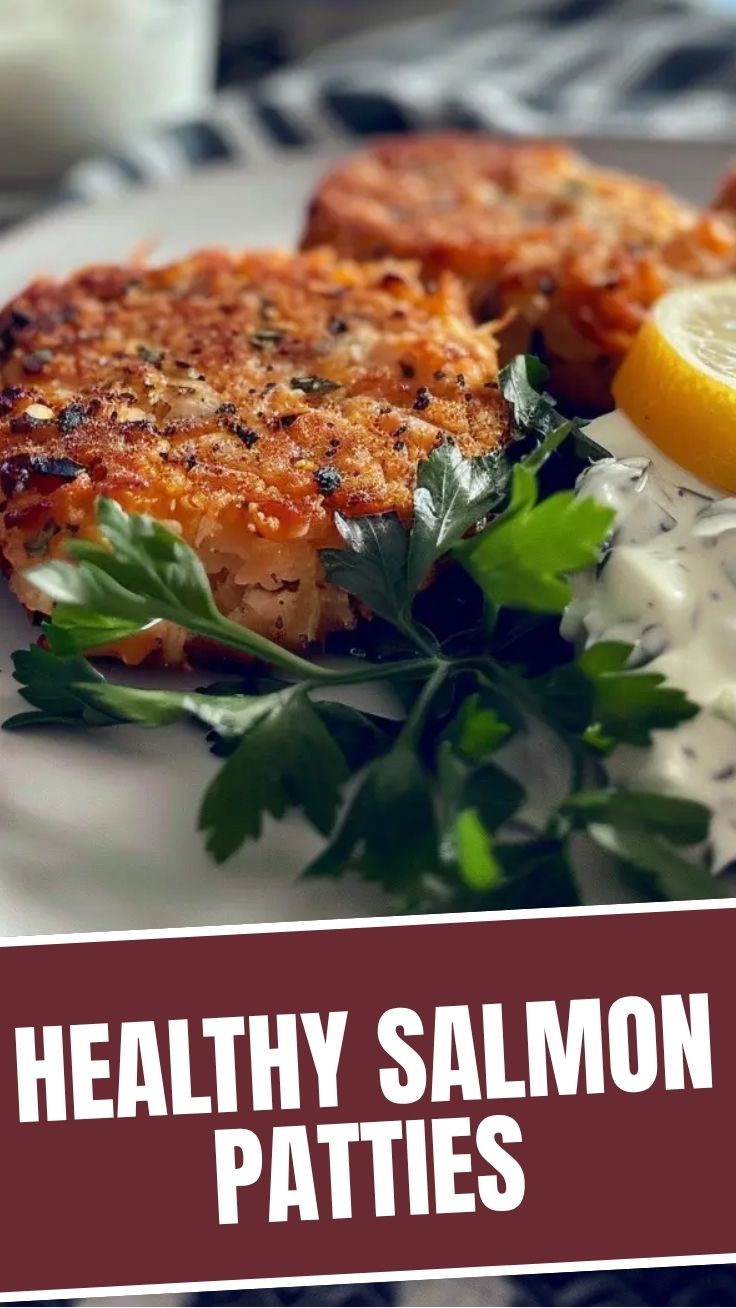
This recipe is designed for efficiency and flavor, making it perfect for a weeknight meal or a quick weekend lunch.
- Prep Time: 15 minutes (This includes flaking the salmon, chopping herbs, and mixing all ingredients.)
- Cook Time: 10-12 minutes (Approximately 5-6 minutes per side, depending on thickness.)
- Resting Time: 5 minutes (Allowing the patties to rest after cooking helps them set and retain their juices.)
Plan to begin preparing about 30 minutes before you intend to serve. This allows ample time for mixing, shaping, and frying your delicious patties without feeling rushed.
Step-by-Step Instructions
1. Prepare the Salmon: Drain the canned salmon thoroughly. Transfer it to a large mixing bowl and use a fork to flake it, ensuring any bones or skin are removed (although many prefer to leave the soft bones for added calcium).
2. Combine Wet Ingredients: In a separate small bowl, whisk together the egg, mayonnaise, and Dijon mustard.
3. Mix Everything: Add the breadcrumbs, chopped fresh dill, lemon zest, finely minced onion, salt, and black pepper to the flaked salmon. Pour in the wet ingredient mixture.
4. Form the Patties: Gently mix all ingredients until just combined. Overmixing can lead to tough patties. Divide the mixture into 4-6 equal portions and gently shape them into patties, about 3/4 inch thick. For the best Salmon Patties, ensure consistent thickness for even cooking.
5. Heat the Skillet: Heat the olive oil or vegetable oil in a large non-stick skillet over medium heat. The oil should shimmer but not smoke.
6. Cook the Patties: Carefully place the shaped patties into the hot skillet. Cook for 5-6 minutes per side, or until golden brown and heated through. A truly delicious Homemade salmon patties recipe relies on this perfect sear.
7. Serve Immediately: Remove the patties from the skillet and place them on a plate lined with paper towels to absorb any excess oil. Let them rest for a few minutes before serving.
Nutritional Benefits & Advantages
Salmon is a nutritional powerhouse, and these patties are no exception! Rich in Omega-3 fatty acids, crucial for heart health and brain function, they also provide a significant source of lean protein, supporting muscle maintenance and satiety. The addition of fresh dill and lemon zest boosts essential vitamins, while the overall dish offers a balanced meal with beneficial fats and proteins. It’s a fantastic way to incorporate more fish into your diet in an accessible and delicious format.
Tips Variations & Cooking Advice
- Spice It Up: Add a pinch of cayenne pepper or a dash of hot sauce to the mixture for a kick.
- Herb Variations: Experiment with fresh parsley, chives, or even a touch of tarragon for different flavor profiles.
- Gluten-Free: Substitute regular breadcrumbs with gluten-free breadcrumbs or almond flour.
- Dairy-Free: This recipe is naturally dairy-free!
- Alternative Cooking Methods: For a healthier option, bake the patties at 375°F (190°C) for 15-20 minutes, flipping halfway, until golden. You can also air fry them at 375°F (190°C) for 10-12 minutes.
- Serving Suggestions: Serve with a simple green salad, a dollop of tartar sauce, a squeeze of fresh lemon, or even on a bun as a salmon burger.
Common Mistakes to Avoid
- Overmixing: This can lead to tough, dense patties. Mix just until combined.
- Not Draining Salmon Properly: Excess moisture will make the patties fall apart. Squeeze out as much liquid as possible.
- Patties Too Thick/Thin: Overly thick patties won’t cook evenly, while too thin ones can break apart. Aim for about 3/4 inch.
- Crowding the Pan: Cook in batches if necessary. Crowding lowers the oil temperature and prevents a good sear.
- Flipping Too Early: Allow a good crust to form on the first side before attempting to flip, or they might stick and break.
Storage & Meal Prep Tips
Cooked salmon patties can be stored in an airtight container in the refrigerator for up to 3-4 days. For longer storage, freeze the cooked and cooled patties individually on a baking sheet until solid, then transfer them to a freezer-safe bag or container for up to 2-3 months. Reheat gently in a skillet, oven, or air fryer until warmed through and crisp. Freezing raw patties is not recommended as they can become mushy upon thawing.
Conclusion
Mastering the art of making delicious Salmon Patties is a rewarding culinary skill that brings healthy, flavorful meals to your table with minimal effort. This detailed
Homemade salmon patties recipe, combines pantry staples with fresh aromatics to create a dish that’s both comforting and sophisticated. We encourage you to try this recipe, experiment with the variations, and discover your own perfect salmon patty. Share your results and your favorite serving suggestions in the comments below!
FAQs
Q1: Can I use fresh salmon instead of canned?
A1: Absolutely! Poach or bake about 8 oz of fresh salmon, flake it, and then proceed with the recipe. Ensure it’s cooled to room temperature before mixing.
Q2: What can I use if I don’t have breadcrumbs?
A2: Crushed crackers (like Ritz or saltines), oats (blended slightly), or even finely ground nuts can be used as a binder, though they will alter the texture and flavor slightly.
Q3: How do I prevent the patties from falling apart?
A3: Ensure your salmon is well-drained, don’t skimp on the egg, and avoid over-handling the mixture. Chilling the formed patties for 15-30 minutes before frying can also help them hold their shape.
Q4: Can I make these ahead of time?
A4: Yes, you can prepare the patty mixture, form the patties, and store them uncooked in the refrigerator for up to 24 hours. Cook them just before serving for best results.
Q5: What’s the best way to reheat frozen salmon patties?
A5: For best results, reheat frozen patties in an oven preheated to 350°F (175°C) for about 15-20 minutes, or until thoroughly heated and crispy. You can also use an air fryer for a similar outcome.