The Ultimate Guide to Perfect Roasted Vegetables: Flavor, Nutrition, and Simplicity
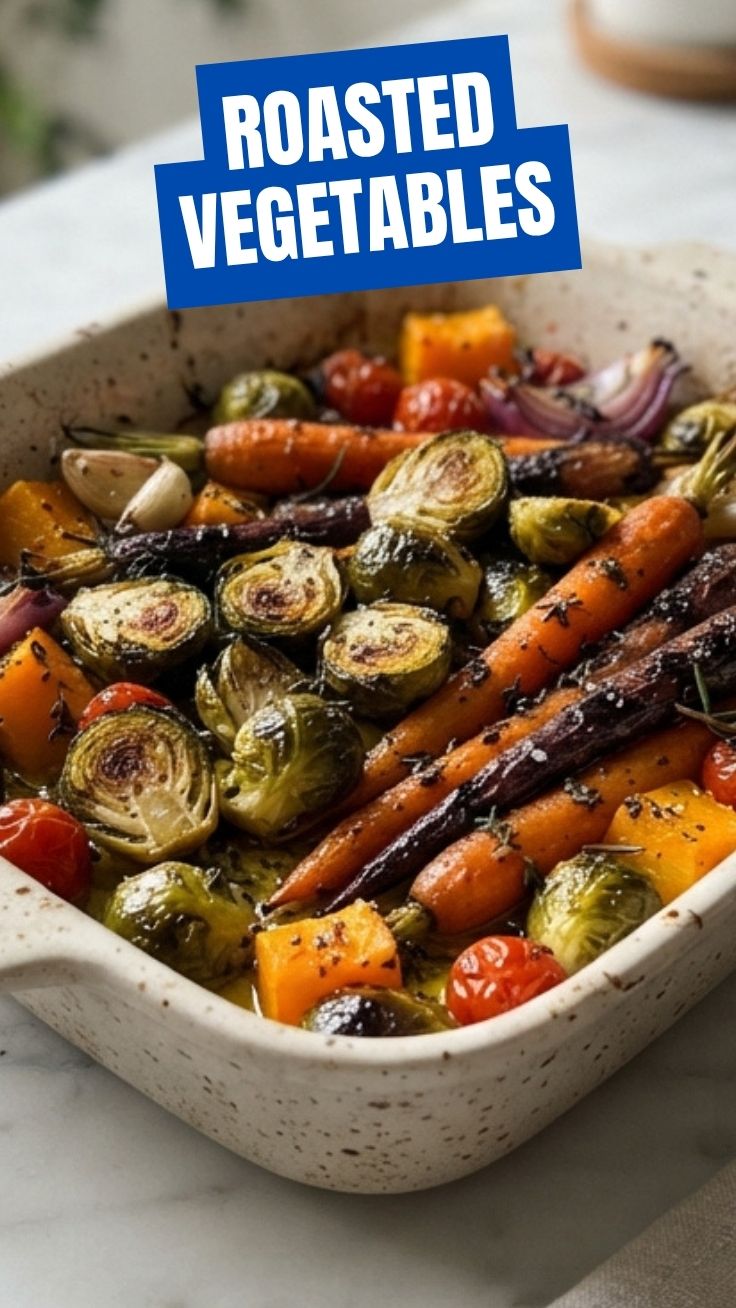
Are you tired of bland side dishes that leave you unimpressed? Do you dream of vibrant, tender, and perfectly caramelized vegetables that elevate any meal? Then you’re in the right place! Learning to master Roasted Vegetables at home isn’t just about cooking; it’s about unlocking a world of flavor, nutrition, and incredible versatility. Forget the days of soggy, uninspired veggies; with our comprehensive guide, you’ll discover how simple it is to transform humble produce into culinary masterpieces, making every dinner a delight. This method is incredibly adaptable, easily translating to a delicious Sheet Pan Vegetables spread, perfect for busy weeknights.
Ingredients & Kitchen Tools
To embark on your journey to perfect roasted vegetables, gather these essentials:
Assorted Vegetables (approx. 3-4 lbs total): Choose a colorful mix like broccoli florets (tender and slightly sweet), bell peppers (red, yellow, orange for vibrant color and flavor), zucchini or yellow squash (adds moisture and softness), red onion wedges (caramelizes beautifully), carrots (sweetness and crunch), and Brussels sprouts (nutty and slightly bitter). Substitution: Any firm vegetable works well – sweet potatoes, parsnips, cauliflower, mushrooms.*
Olive Oil (3-4 tablespoons): Extra virgin is ideal for flavor, but regular olive oil is fine for roasting. Clarification: Helps with browning and prevents sticking.*
Garlic Powder (1 teaspoon): Adds a foundational savory note. Substitution: Fresh minced garlic (2-3 cloves) can be used, but add it halfway through cooking to prevent burning.*
- Onion Powder (1 teaspoon): Enhances the savory depth.
Dried Herbs (1 teaspoon): Italian seasoning, oregano, or thyme work wonderfully. Clarification: Infuses aromatic flavors.*
Salt (1/2 – 1 teaspoon): Coarse sea salt or kosher salt for better coverage and flavor. To taste: Adjust based on preference.*
Black Pepper (1/2 teaspoon): Freshly ground for best flavor. To taste: Adds a subtle kick.*
- Optional: Paprika or Smoked Paprika (1/2 teaspoon): For a touch of color and smoky flavor.
- Large Baking Sheet (rimmed): Essential for even cooking and preventing juices from spilling.
- Large Mixing Bowl: For tossing vegetables with oil and seasonings.
- Spatula or Tongs: For tossing and turning vegetables.
- Parchment Paper or Silicone Baking Mat: Highly recommended for easy cleanup and preventing sticking.
Prep Time & Cooking Schedule
- Prep Time: 15-20 minutes (depending on vegetable variety and chopping skill). This includes washing, chopping, and seasoning.
- Cook Time: 25-35 minutes, varying slightly based on vegetable density and desired doneness.
- Resting Time: None required, serve immediately!
Plan to start your vegetables about 30-40 minutes before your main course is ready to ensure everything is hot and fresh. Roasting time can be adjusted if you prefer a softer or more al dente texture.
Step-by-Step Instructions
1. Preheat Your Oven: Position an oven rack in the middle and preheat your oven to a robust 400°F (200°C). High heat is crucial for achieving that desirable caramelization.
2. Prepare Your Vegetables: Wash all your chosen vegetables thoroughly. Chop them into roughly uniform, bite-sized pieces (about 1-inch). Consistency in size is key for even cooking. For example, denser vegetables like carrots and potatoes might need to be slightly smaller than broccoli florets.
3. Season Generously: In your large mixing bowl, combine the chopped vegetables. Drizzle with olive oil, then sprinkle evenly with garlic powder, onion powder, dried herbs, salt, and black pepper (and paprika, if using). Toss everything thoroughly with your hands or tongs until all the vegetables are lightly coated. This thorough coating is essential for delicious Roasted Vegetables.
4. Spread on Baking Sheet: Line your rimmed baking sheet with parchment paper or a silicone baking mat for easy cleanup. Spread the seasoned vegetables in a single layer, ensuring they are not overcrowded. Overcrowding will steam the vegetables instead of roasting them, preventing browning and creating a soggy texture. If necessary, use two baking sheets.
5. Roast to Perfection: Place the baking sheet(s) in the preheated oven. Roast for 25-35 minutes, stirring or flipping the vegetables halfway through (around the 15-minute mark) to ensure even browning. The vegetables are done when they are tender-crisp, beautifully caramelized, and slightly charred at the edges. This same principle applies for perfect Sheet Pan Vegetables.
6. Serve Immediately: Remove from the oven and serve hot as a delicious side dish, or incorporate into salads, grain bowls, or main courses.
Nutritional Benefits & Advantages
Roasted Vegetables are a nutritional powerhouse! They retain most of their vitamins and minerals, and the roasting process can even enhance the bioavailability of certain nutrients. Rich in fiber, antioxidants, and a spectrum of vitamins (A, C, K, B vitamins) and minerals (potassium, magnesium), they support digestive health, boost immunity, and provide sustained energy. The natural sweetness that develops during roasting also makes them incredibly appealing, even to picky eaters, making it easier to increase your daily vegetable intake.
Tips, Variations & Cooking Advice
- Spice It Up: Add a pinch of red pepper flakes for heat, or a dash of curry powder for an Indian-inspired twist.
- Citrus Brightness: A squeeze of fresh lemon juice or a sprinkle of lemon zest after roasting can brighten the flavors.
- Herb Power: Experiment with fresh herbs like rosemary, thyme, or oregano, adding them in the last 10 minutes of roasting to prevent burning.
- Sweet & Savory: Toss in some balsamic glaze in the last few minutes for a sweet and tangy finish.
- Cheese Please: A sprinkle of Parmesan cheese in the last 5 minutes of roasting creates a delicious cheesy crust.
- Dietary Adaptations: This recipe is naturally gluten-free, dairy-free, and vegan. For a paleo option, ensure all ingredients comply.
Common Mistakes to Avoid
- Overcrowding the Pan: This is the #1 mistake! It leads to steaming instead of roasting, resulting in soft, uncaramelized vegetables. Use multiple pans if necessary.
- Low Oven Temperature: Too low a temperature means slow cooking and less browning. Stick to 400°F (200°C) for optimal results.
- Uneven Chopping: Inconsistent sizes mean some vegetables will be mushy while others are still raw. Chop uniformly.
- Not Enough Oil: Oil helps conduct heat and encourages browning. Don’t be afraid to use enough to lightly coat all surfaces.
- Not Seasoning Enough: Bland vegetables are no fun! Don’t skimp on salt, pepper, and herbs. Taste and adjust.
Storage & Meal Prep Tips
Leftover Roasted Vegetables are fantastic for meal prep!
- Refrigeration: Store cooled roasted vegetables in an airtight container in the refrigerator for up to 3-4 days.
- Freezing: While possible, freezing can alter the texture, making them softer. If you choose to freeze, spread cooled vegetables in a single layer on a baking sheet to flash freeze, then transfer to a freezer-safe bag for up to 2-3 months.
- Reheating: For best results, reheat in the oven at 375°F (190°C) for 10-15 minutes until heated through and slightly re-crisped. Microwaving is quicker but may lead to a softer texture. They are also delicious cold in salads or wraps!
Conclusion
Mastering Roasted Vegetables is a fundamental skill that transforms ordinary meals into extraordinary culinary experiences. With a few simple steps and a hot oven, you can create a side dish that is bursting with flavor, packed with nutrition, and incredibly versatile. Whether you’re aiming for a comforting weeknight meal or a vibrant addition to a holiday spread, these perfectly caramelized veggies will not disappoint. We encourage you to try this recipe, experiment with your favorite produce, and discover the joy of homemade Sheet Pan Vegetables. Share your creations with us – we can’t wait to see them!
FAQs
Q1: Can I mix different types of vegetables with varying cooking times on one pan?
A1: Yes, but be strategic. Cut denser vegetables like potatoes and carrots into smaller pieces, and softer ones like bell peppers or zucchini into larger pieces, or add the quicker-cooking vegetables halfway through the roasting process.
Q2: My vegetables are soggy, not crispy. What went wrong?
A2: Most likely, the pan was overcrowded, or the oven temperature was too low. Ensure vegetables are in a single layer with space between them, and your oven is preheated to at least 400°F (200°C).
Q3: How can I add protein to make this a full meal?
A3: Easily! Add chicken sausage, firm tofu, chickpeas, or shrimp to the same pan for the last 15-20 minutes of roasting, creating a fantastic one-pan meal.
Q4: Can I use frozen vegetables for roasting?
A4: Yes, but they might release more moisture. Thaw them first and pat them very dry before tossing with oil and seasonings. This helps prevent them from becoming too watery.