Mastering the Art of Perfectly Roasted Sweet Potatoes: Your Ultimate Guide
Ever wondered how to achieve that perfect balance of crispy edges and fluffy, caramelized interiors with your roasted vegetables? Or perhaps you’re looking to elevate your side dish game beyond the usual suspects? Look no further! This comprehensive guide will transform your humble sweet potatoes into a culinary masterpiece, demonstrating why preparing this versatile vegetable at home is not just economical but incredibly rewarding. Today, we’re diving deep into the world of roasted sweet potatoes, ensuring every bite is a symphony of flavor and texture.
Ingredients & Kitchen Tools
Gather your culinary arsenal! Here’s what you’ll need to create delectable Roasted Sweet Potatoes.
Ingredients:
- Sweet Potatoes (2-3 medium): The star of our show! Choose firm, unblemished tubers for the best results.
- Olive Oil (2-3 tablespoons): Binds seasonings and promotes even browning. Avocado oil is a great alternative for a higher smoke point.
- Salt (1/2 teaspoon): Enhances flavor. Use sea salt or Kosher salt for a cleaner taste.
- Black Pepper (1/4 teaspoon): Adds a subtle kick. Freshly ground is always best.
- Paprika (1/2 teaspoon, optional): For a touch of warmth and color. Smoked paprika adds a lovely depth.
- Garlic Powder (1/4 teaspoon, optional): Aromatic and savory.
- Fresh Rosemary or Thyme (1 sprig, optional): Infuses a fragrant, herbaceous note.
Kitchen Tools:
- Large Baking Sheet: Essential for even roasting; prevents overcrowding.
- Parchment Paper or Silicone Baking Mat: Ensures non-stick cooking and easy cleanup.
- Large Mixing Bowl: For tossing sweet potatoes with oil and seasonings.
- Sharp Knife: For safe and efficient peeling and chopping.
- Vegetable Peeler: Optional, but makes peeling much quicker.
- Spatula or Tongs: For flipping and transferring.
Prep Time & Cooking Schedule
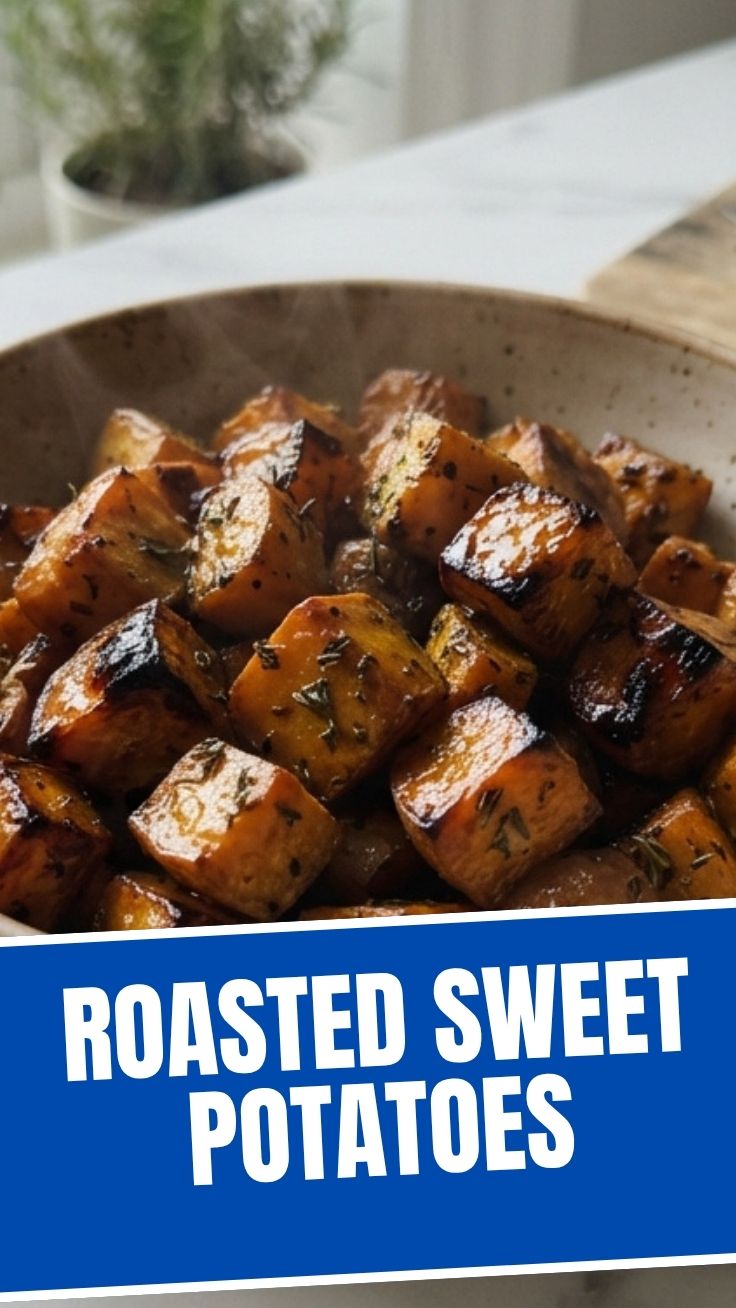
Planning is key to a stress-free cooking experience!
- Prep Time: 15 minutes (includes peeling, chopping, and seasoning).
- Cook Time: 25-35 minutes (depending on desired crispiness and oven calibration).
- Resting Time: 5 minutes (allows them to cool slightly and firm up).
Total Estimated Time: 45-55 minutes. This makes it a perfect weeknight side dish or a versatile component for meal prepping.
Step-by-Step Instructions
Ready to transform those spuds? Follow these steps to achieve perfectly roasted sweet potatoes every time.
1. Preheat Your Oven: Set your oven to a robust 400°F (200°C). This high temperature is crucial for achieving that coveted caramelized exterior.
2. Prepare the Sweet Potatoes: Wash and peel your sweet potatoes. Then, cut them into 1-inch cubes or wedges. Consistency in size is vital for even cooking. For a different texture, consider cutting them into thin strips, similar to how you would for Sweet Potato Fries, just remember to adjust cooking time.
3. Season Generously: In a large mixing bowl, combine the sweet potato pieces with olive oil, salt, black pepper, and any optional seasonings like paprika or garlic powder. If using fresh herbs, toss them in as well. Ensure every piece is coated thoroughly.
4. Arrange on Baking Sheet: Spread the seasoned sweet potatoes in a single layer on your parchment-lined baking sheet. Crucially, do not overcrowd the pan. Overcrowding steams the vegetables instead of roasting them, preventing that delicious crispness. Use two baking sheets if necessary.
5. Roast to Perfection: Place the baking sheet in the preheated oven. Roast for 25-35 minutes, flipping them halfway through (around the 15-minute mark) with a spatula or tongs to ensure even browning. The sweet potatoes are done when they are tender when pierced with a fork and beautifully caramelized around the edges.
6. Serve and Enjoy: Remove from the oven and let them rest for a few minutes before serving.
Nutritional Benefits & Advantages
Sweet potatoes are a nutritional powerhouse! They are an excellent source of beta-carotene, a powerful antioxidant that the body converts into Vitamin A, essential for vision, immune function, and skin health. They’re also rich in Vitamin C, manganese, and dietary fiber, promoting digestive health and helping regulate blood sugar levels. Their natural sweetness means you often don’t need to add much extra sugar, making them a healthier alternative to many starchy sides.
Tips, Variations & Cooking Advice
- Spice It Up: Add a pinch of cayenne pepper or chili powder for a spicy kick.
- Sweet & Savory: Drizzle with a tablespoon of maple syrup or honey during the last 10 minutes of roasting for an extra layer of sweetness and caramelization.
- Herb Power: Experiment with other herbs like sage or oregano.
- Cheesy Goodness: Sprinkle with grated Parmesan cheese during the last 5 minutes of roasting.
- Air Fryer Method: For a quicker, crispier result, sweet potato cubes can be air-fried at 375°F (190°C) for 15-20 minutes, shaking the basket occasionally.
- Larger Chunks: If you prefer larger chunks, increase the roasting time accordingly, checking for tenderness.
Common Mistakes to Avoid
- Overcrowding the Pan: As mentioned, this is the number one culprit for soggy sweet potatoes. Give them space!
- Low Oven Temperature: A too-low temperature will result in soft, pale sweet potatoes instead of crispy, caramelized ones.
- Insufficient Oil: Not enough oil means uneven browning and dry sweet potatoes. Don’t be shy with that olive oil!
- Not Flipping: Flipping halfway through ensures all sides get a chance to brown and crisp up.
- Peeling: While optional, leaving the skin on adds extra fiber and a rustic charm. Just ensure they are thoroughly scrubbed.
Storage & Meal Prep Tips
Leftover Roasted Sweet Potatoes are fantastic for meal prep!
- Refrigeration: Store cooled roasted sweet potatoes in an airtight container in the refrigerator for up to 3-4 days.
- Freezing: For longer storage, freeze them in a single layer on a baking sheet, then transfer to a freezer-safe bag or container. They can be frozen for up to 3 months.
- Reheating: Reheat in the oven at 350°F (175°C) for 10-15 minutes until warmed through and slightly re-crisped. Microwaving is an option but may result in a softer texture. They are also delicious cold in salads!
Conclusion
Mastering the art of perfectly Roasted Sweet Potatoes is a culinary game-changer. With their incredible flavor, versatility, and nutritional benefits, they’re a dish you’ll want to make again and again. Whether you’re serving them as a simple side or incorporating them into more complex meals, these vibrant root vegetables are guaranteed to impress. Don’t forget to experiment with different seasonings to truly make them your own – perhaps even turning them into savory Sweet Potato Fries. Give this recipe a try and share your delicious results with us!
FAQs
Q1: Can I roast different vegetables with sweet potatoes?
A1: Yes, absolutely! Just ensure they have similar cooking times and cut them into comparable sizes. Root vegetables like carrots, parsnips, and even Brussels sprouts pair well.
Q2: How do I get my sweet potatoes extra crispy?
A2: Ensure your oven is hot enough (400-425°F), don’t overcrowd the pan, and consider adding a little cornstarch (about 1 teaspoon per pound of sweet potatoes) when tossing with oil and seasonings.
Q3: Can I make this recipe ahead of time for a party?
A3: You can roast them ahead and gently reheat them in the oven just before serving. They are best fresh out of the oven, but reheating works well to restore some crispness.
Q4: What are some good flavor pairings for roasted sweet potatoes?
A4: They pair wonderfully with savory herbs like rosemary and thyme, warm spices like cinnamon and nutmeg, and sweet additions like maple syrup or brown sugar. Citrus zest (orange or lime) can also add a bright note.
Q5: My sweet potatoes are still hard after roasting. What went wrong?
A5: This usually means they either weren’t roasted long enough or your oven temperature was too low. Ensure your oven is accurately preheated and roast until fork-tender. Cutting them into smaller, more uniform pieces can also help.