Unlock the Flavor: The Ultimate Guide to Perfect Roasted Asparagus
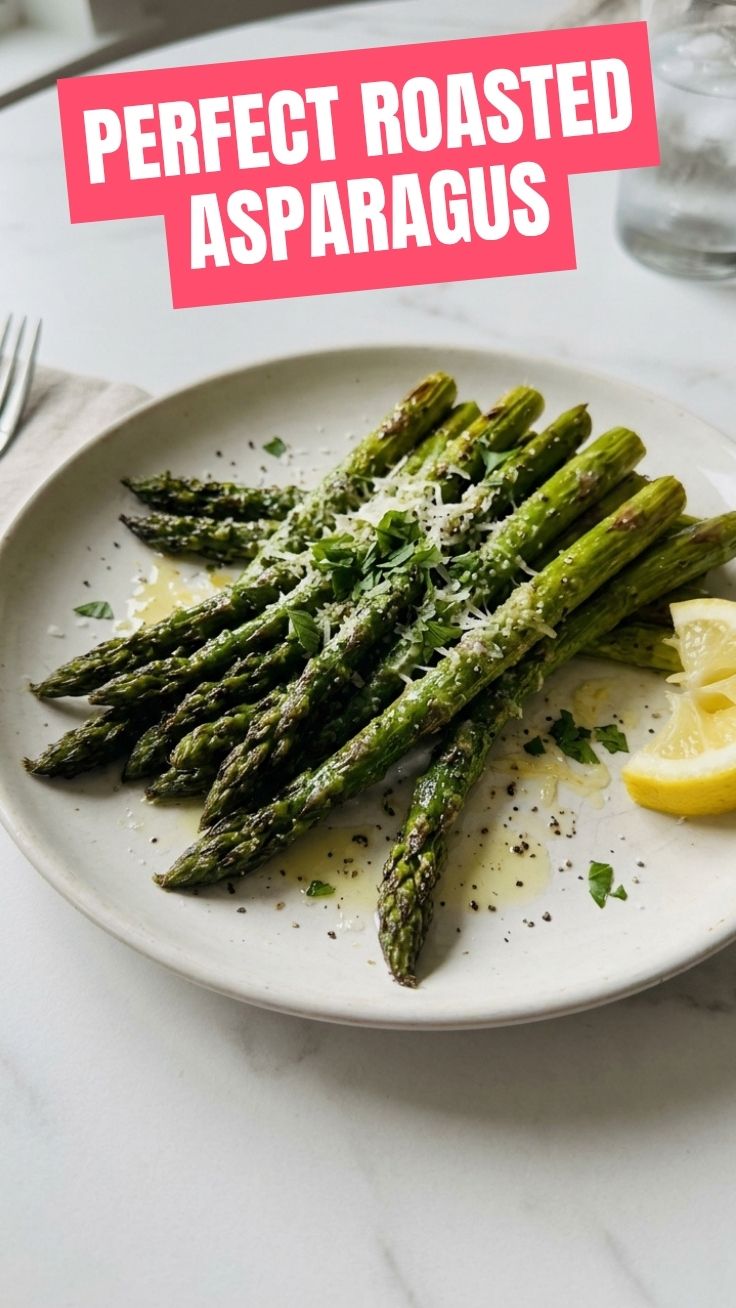
Are you ready to transform a simple green vegetable into a culinary masterpiece? Learning how to prepare perfect Roasted Asparagus at home is not just about cooking; it’s about unlocking incredible flavor, enhancing your meals, and embracing healthy eating with ease. This guide will take you through every step, ensuring your asparagus is always tender-crisp, vibrantly green, and utterly delicious. We’ll delve into techniques that elevate this side dish from ordinary to extraordinary, making it a staple in your kitchen. Whether you’re a novice chef or a seasoned home cook, these tips will have you mastering various Asparagus recipes in no time.
Ingredients & Kitchen Tools
To achieve culinary perfection, gather these essentials:
- 1 lb Asparagus Spears: Look for firm, bright green stalks with closed, compact tips. Thicker spears tend to roast better without becoming stringy.
- 2 tablespoons Olive Oil: Extra virgin olive oil is preferred for flavor, but any high-quality olive oil works. It helps the asparagus cook evenly and promotes browning.
- 1/2 teaspoon Sea Salt: Enhances the natural flavor of the asparagus. Adjust to personal preference.
- 1/4 teaspoon Black Pepper: Freshly ground preferred for best aroma and taste.
- Optional Flavor Boosters:
* 1 tsp Garlic Powder: Adds a savory, aromatic depth.
* 1 tbsp Lemon Juice: Brightens the flavor and adds a zesty finish.
* 1/4 cup Grated Parmesan Cheese: For a salty, umami kick after roasting.
- Large Baking Sheet: Essential for even roasting. A dark-colored sheet can lead to more browning.
- Parchment Paper or Silicone Mat: Prevents sticking and makes cleanup a breeze.
- Large Mixing Bowl: For tossing the asparagus with oil and seasonings.
- Tongs: For easy handling and turning during roasting.
Prep Time & Cooking Schedule
- Prep Time: 10 minutes
- Cook Time: 12-15 minutes
- Total Time: 22-25 minutes
This recipe is incredibly fast, making it ideal for busy weeknights or when you need a quick, healthy side. You can prep the asparagus while your oven preheats, ensuring a seamless cooking process from start to finish.
Step-by-Step Instructions
1. Preheat Oven & Prepare Asparagus: Preheat your oven to 400°F (200°C). Line a large baking sheet with parchment paper for easy cleanup. While the oven heats, wash the asparagus spears under cold water. Snap off the woody ends – they will naturally break at the point where they become tender. Discard the woody ends. For thicker spears, you can quickly peel the bottom half if desired for uniform tenderness.
2. Season the Asparagus: In a large mixing bowl, combine the trimmed asparagus with olive oil, sea salt, and black pepper. If using, add garlic powder at this stage. Toss everything gently to ensure each spear is evenly coated. This even coating is key for beautifully Roasted Asparagus.
3. Arrange and Roast: Spread the seasoned asparagus in a single layer on the prepared baking sheet. Avoid overcrowding the pan, as this can steam the asparagus instead of roasting it, leading to a less desirable texture. If necessary, use two baking sheets.
4. Roast to Perfection: Roast for 12-15 minutes, or until the asparagus is tender-crisp and slightly browned at the tips. The exact cooking time will depend on the thickness of your spears and your oven’s calibration. For a delightful crunch, ensure the tips are slightly caramelized.
5. Finish and Serve: Remove from the oven. If using, squeeze fresh lemon juice over the hot asparagus and sprinkle with grated Parmesan cheese. Serve immediately. These techniques are applicable across many Asparagus recipes.
Nutritional Benefits & Advantages
Asparagus is a nutritional powerhouse! It’s an excellent source of vitamin K, folate, vitamin C, vitamin A, and fiber. It also contains powerful antioxidants, which help protect your cells from damage. Its high fiber content contributes to digestive health and can aid in weight management. Roasting retains many of these beneficial nutrients, making it a healthier alternative to boiling, which can leach out water-soluble vitamins.
Tips, Variations & Cooking Advice
- Flavor Boosts: Experiment with different herbs like fresh thyme, rosemary, or dried oregano before roasting. A dash of red pepper flakes can add a subtle kick.
- Citrus Burst: A squeeze of orange or lime juice instead of lemon can offer a different bright note.
- Sweet & Savory: For a unique twist, drizzle with balsamic glaze after roasting.
- Gluten-Free & Dairy-Free: This recipe is naturally gluten-free. For a dairy-free option, simply omit the Parmesan cheese.
- Uniform Sizing: If your asparagus spears vary greatly in thickness, consider roasting similar-sized spears together to ensure even cooking.
Common Mistakes to Avoid
- Overcrowding the Pan: This is the most common mistake. It leads to steamed, limp asparagus instead of beautifully roasted, tender-crisp spears. Use multiple pans if needed.
- Overcooking: Asparagus cooks quickly. Overcooked asparagus becomes soft, mushy, and loses its vibrant green color. Keep a close eye on it, especially towards the end of the cooking time.
- Not Trimming Woody Ends: The lower, woody part of the asparagus is tough and fibrous. Snapping off these ends ensures each bite is tender.
Storage & Meal Prep Tips
Leftover Roasted Asparagus can be stored in an airtight container in the refrigerator for up to 3-4 days. While it won’t be as crisp as when freshly made, it still retains great flavor and can be enjoyed cold in salads or reheated gently. To reheat, spread on a baking sheet and warm in a 300°F (150°C) oven for a few minutes, or microwave briefly until heated through. Freezing roasted asparagus is not recommended as it significantly alters the texture.
Conclusion
Mastering the art of Roasted Asparagus is a simple yet impactful way to elevate your home cooking. With just a few ingredients and straightforward steps, you can create a side dish that is vibrant, flavorful, and incredibly nutritious. We hope this guide inspires you to experiment with various Asparagus recipes and discover the joy of perfectly prepared vegetables. Try this recipe for yourself, and don’t hesitate to share your delicious results in the comments below!
FAQs
Q1: How do I choose the best asparagus at the grocery store?
A1: Look for firm, bright green spears with closed, compact tips. Avoid asparagus that looks limp, dull, or has opened/flowering tips.
Q2: Can I use thinner asparagus spears for this recipe?
A2: Yes, thinner spears work well, but they will cook faster. Reduce the cooking time by a few minutes to prevent overcooking.
Q3: What’s the best way to trim asparagus?
A3: The easiest way is to hold a spear by both ends and gently bend it. It will naturally snap where the tough, woody end meets the tender part.
Q4: Can I roast asparagus with other vegetables?
A4: Absolutely! Asparagus pairs well with other quick-cooking vegetables like bell peppers or cherry tomatoes. Just ensure they are cut to a similar size for even roasting.
Q5: How can I prevent my roasted asparagus from getting soggy?
A5: The key is to avoid overcrowding the baking sheet. Give the spears plenty of space to allow hot air to circulate, promoting roasting rather than steaming.