Ditch the Takeout Line: Craft Your Own Irresistible Poke Bowl at Home!
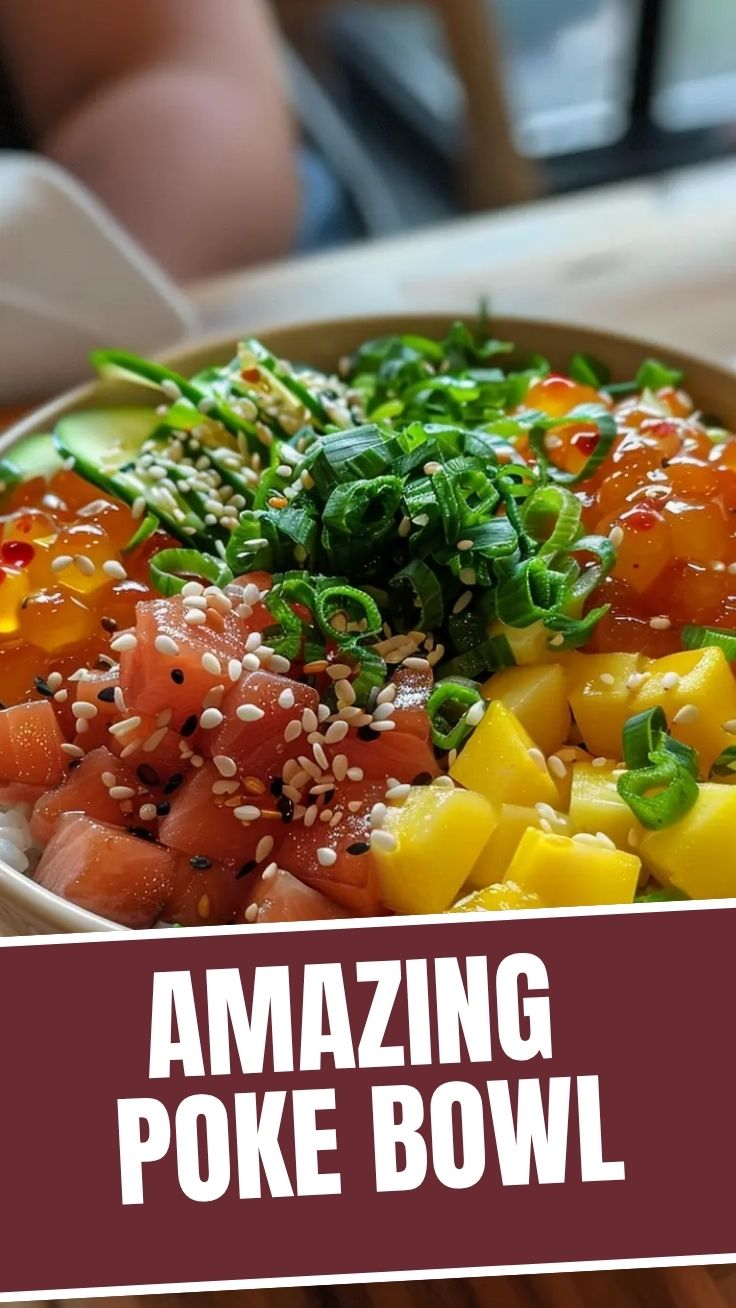
Ever found yourself craving the fresh, vibrant flavors of a Poke Bowl, loaded with tender fish and crisp veggies, but hesitated at the price tag or the sheer convenience of a restaurant? What if I told you that creating an authentic, restaurant-quality poke experience in your own kitchen is not only achievable but also incredibly rewarding? There’s an unparalleled satisfaction in assembling a dish that’s not only delicious but also perfectly tailored to your palate. This isn’t just about saving money; it’s about mastering the art of fresh, healthy, and customizable eating. Today, we’re diving deep into the world of homemade poke, specifically focusing on how to prepare an exquisite Poke Bowl, a true taste of culinary paradise, right in your own culinary sanctuary. You’ll discover the secrets to achieving that perfect balance of textures and flavors, reminiscent of a true Hawaiian Poke, ensuring every bite is a delightful journey.
Ingredients & Kitchen Tools
- Fresh Ahi Tuna (Sushi-Grade): 1 lb, finely diced. The star of our show, look for vibrant red, firm flesh with no discoloration. Ask your fishmonger for “sushi-grade” or “sashimi-grade” to ensure it’s safe for raw consumption.
- Cooked Sushi Rice: 2 cups, chilled. Short-grain rice specifically for sushi, cooked and seasoned with rice vinegar, sugar, and salt.
- Soy Sauce (Low Sodium): 1/4 cup. The base of our savory marinade.
- Sesame Oil (Toasted): 2 tbsp. Adds a deep, nutty aroma.
- Rice Vinegar: 1 tbsp. For a touch of tang in the marinade.
- Honey or Agave Nectar: 1 tsp. Balances the savory notes with a hint of sweetness.
- Fresh Ginger: 1 tsp, grated. Zesty and aromatic.
- Green Onions (Scallions): 3-4, thinly sliced. For mild oniony crunch and garnish.
- Toasted Sesame Seeds: 1 tbsp. For garnish and added texture.
- Avocado: 1-2, ripe, diced. Creamy and rich.
- Cucumber: 1, small, diced. Crisp and refreshing.
- Edamame: 1/2 cup, shelled, cooked. Adds protein and a pop of color.
- Sriracha Mayo (Optional): For a spicy kick.
- Seaweed Salad (Optional): For an authentic touch.
- Large Mixing Bowl: For the tuna marinade.
- Sharp Knife: For precise dicing of tuna and vegetables.
- Cutting Board: Essential for safe prep.
- Serving Bowls: For individual portions.
Prep Time & Cooking Schedule
- Prep Time: 20 minutes
- Marinating Time: 15-30 minutes (minimum)
- Cooking Time: 0 minutes (assuming pre-cooked rice)
- Total Time: 35-50 minutes
This recipe is incredibly efficient. The longest part is waiting for the tuna to marinate, which allows you to prepare your other bowl components. Plan to cook your sushi rice ahead of time, as it needs to be chilled for the best texture.
Step-by-Step Instructions
1. Prepare the Tuna: Ensure your sushi-grade tuna is thoroughly chilled. Using a very sharp knife, carefully dice the tuna into uniform 1/2-inch cubes. Consistency in size ensures even marination and a more aesthetically pleasing Poke Bowl.
2. Whisk the Marinade: In a large mixing bowl, combine the soy sauce, toasted sesame oil, rice vinegar, honey (or agave nectar), and grated ginger. Whisk until well combined. The balance of savory, sweet, and tangy is key to a delicious Hawaiian Poke.
3. Marinate the Tuna: Add the diced tuna to the marinade. Gently toss to ensure every piece is coated. Cover the bowl and refrigerate for 15-30 minutes. Do not marinate for longer than 30 minutes, as the acid in the marinade can “cook” the tuna, altering its delicate texture.
4. Prepare the Toppings: While the tuna marinates, dice your avocado and cucumber. Thinly slice the green onions. Cook the edamame if not already prepared.
5. Assemble Your Bowl: In individual serving bowls, place a generous bed of chilled sushi rice.
6. Add the Tuna: Spoon the marinated tuna evenly over the sushi rice.
7. Arrange the Toppings: Artistically arrange the diced avocado, cucumber, edamame, and sliced green onions around the tuna.
8. Garnish and Serve: Sprinkle toasted sesame seeds over the entire bowl. If desired, drizzle with sriracha mayo or add a side of seaweed salad. Serve immediately and savor the freshness!
Nutritional Benefits & Advantages
Crafting your own Poke Bowl offers a powerhouse of nutrients. Ahi tuna is an excellent source of lean protein, Omega-3 fatty acids (beneficial for heart and brain health), and essential vitamins like B12. The inclusion of fresh vegetables like avocado, cucumber, and edamame adds fiber, healthy fats, and a spectrum of vitamins and minerals. Homemade poke allows for complete control over ingredients, ensuring lower sodium content compared to many restaurant versions and the use of the freshest produce.
Tips, Variations & Cooking Advice
- Protein Alternatives: Not a fan of tuna? Try sushi-grade salmon, cooked shrimp, or even firm tofu for a vegetarian option.
- Vegetable Medley: Experiment with other vegetables like shredded carrots, thinly sliced radishes, or bell peppers for added crunch and color.
- Flavor Boosts: Introduce a dash of gochujang for a spicier kick, or a squeeze of lime juice for extra brightness.
- Rice Options: While sushi rice is traditional, brown rice or quinoa can be used for a healthier, higher-fiber base. Zucchini noodles are a fantastic low-carb alternative.
- Dietary Adaptations: For a gluten-free version, ensure you use tamari (gluten-free soy sauce).
Common Mistakes to Avoid
- Using Non-Sushi Grade Fish: This is paramount for food safety. Always ensure your fish is explicitly labeled “sushi-grade” or “sashimi-grade.”
- Over-Marinating the Tuna: Extended marination can “cook” the delicate tuna, making it tough and altering its texture. Stick to the recommended 15-30 minutes.
- Warm Rice: Sushi rice should be chilled. Warm rice can wilt the fresh ingredients and alter the overall texture of the bowl.
- Over-Saucing: Start with a moderate amount of marinade, you can always add more at the table if desired. Too much sauce can overpower the delicate flavors of the tuna and vegetables.
Storage & Meal Prep Tips
While a Poke Bowl is best enjoyed immediately for optimal freshness and texture, you can prep some components ahead. Cook and chill your sushi rice up to two days in advance. Prepare all your vegetable toppings and store them in airtight containers in the refrigerator. The tuna should only be marinated and added right before serving. Leftovers of an assembled poke bowl are generally not recommended due to the raw fish, but if absolutely necessary, they should be consumed within a few hours and kept well-chilled.
Conclusion
Creating your own Poke Bowl is an incredibly satisfying and delicious culinary adventure. By following these simple steps, you can master the art of this fresh, vibrant dish, enjoying a gourmet meal that rivals any restaurant offering. This comprehensive guide has provided you with all the tools and knowledge to craft a sensational Hawaiian Poke, brimming with flavor and health benefits. Don’t hesitate to experiment with the tips and variations, making this recipe truly your own. We encourage you to whip up your own version, explore the endless possibilities of fresh ingredients, and share your delightful creations!
FAQs
Q1: Where can I find sushi-grade tuna?
A1: Look for reputable fish markets or the seafood counter at high-end grocery stores. Don’t be afraid to ask your fishmonger for advice and explicit confirmation that the fish is safe for raw consumption.
Q2: Can I use frozen tuna?
A2: Only if it’s specifically labeled as “sushi-grade” and has been flash-frozen to culinary standards suitable for raw fish. Thaw it slowly in the refrigerator for the best results.
Q3: How can I make my Poke Bowl spicier?
A3: Add a pinch of red pepper flakes to your marinade, or drizzle with extra sriracha mayo or a touch of chili oil.
Q4: What’s the best way to cook sushi rice?
A4: Use a rice cooker for consistent results, following the package directions for sushi rice. After cooking, gently fold in a mixture of rice vinegar, sugar, and salt while the rice is still warm, then spread it out to cool quickly.
Q5: Can I substitute other vegetables if I don’t have those listed?
A5: Absolutely! Feel free to customize your bowl with your favorite fresh vegetables, such as bell peppers, shredded carrots, or thinly sliced radishes. The key is to use crisp, fresh produce.