Master the Art of Homemade Pesto Pasta: A Culinary Journey to Flavor Town
Ever wondered if you could recreate that vibrant, incredibly flavorful pesto pasta dish you adore from your favorite Italian restaurant right in your own kitchen? The answer is a resounding “yes!” Preparing Pesto Pasta at home isn’t just about saving money; it’s about harnessing fresh, wholesome ingredients, customizing flavors to your exact preferences, and experiencing the unparalleled satisfaction of a meal made with love. This comprehensive guide will walk you through crafting a truly exceptional Pesto Pasta that will impress your taste buds and leave you wondering why you ever ordered takeout. If you’re on the hunt for delicious pasta recipes that truly shine, you’ve come to the right place.
Ingredients & Kitchen Tools
To embark on this delightful culinary adventure, gather the following:
- For the Pesto:
* 2 cups fresh basil leaves: The heart of our pesto, ensuring a vibrant green color and aromatic flavor.
* ½ cup freshly grated Parmesan cheese: Adds a salty, umami depth. (Substitute with nutritional yeast for a dairy-free option.)
* ½ cup pine nuts: Provides a creamy texture and subtle nutty sweetness. (Walnuts or almonds can be substituted.)
* 2-3 cloves garlic: Delivers a pungent kick. Adjust to your garlic preference.
* ½ cup extra virgin olive oil: Binds the pesto and adds a fruity richness. Use good quality for best flavor.
* Salt and freshly ground black pepper: To taste, enhancing all the flavors.
- For the Pasta:
* 1 pound pasta of your choice: Fettuccine, spaghetti, linguine, or penne all work beautifully.
* Salt: For seasoning the pasta water, crucial for flavorful pasta.
- Optional Additions:
* Cherry tomatoes: Halved, for a burst of sweetness and color.
* Cooked chicken or shrimp: For added protein and a more substantial meal.
Kitchen Tools:
- Food processor or blender: Essential for making the pesto.
- Large pot: For boiling the pasta.
- Colander: To drain the cooked pasta.
- Large mixing bowl: For tossing the pasta with pesto.
- Measuring cups and spoons: For accurate ingredient quantities.
Prep Time & Cooking Schedule
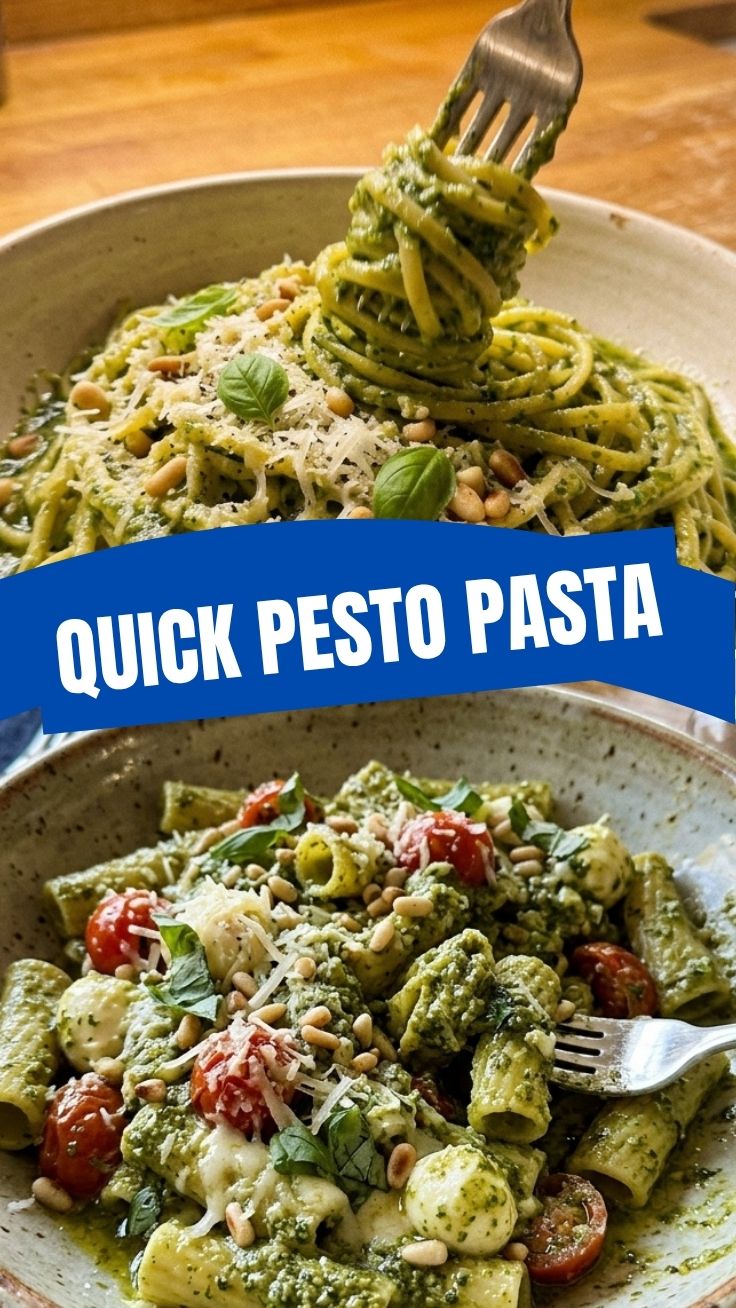
This recipe is wonderfully efficient for busy weeknights or relaxed weekend meals.
- Prep time: 10-15 minutes (mostly for making the pesto)
- Cook time: 8-12 minutes (depending on pasta type)
- Total time: Approximately 20-25 minutes
To plan your cooking, begin preparing your pesto while your pasta water comes to a boil. This ensures everything is ready around the same time for a fresh, hot meal.
Step-by-Step Instructions
1. Prepare the Pesto: In your food processor, combine the fresh basil leaves, pine nuts, garlic, and Parmesan cheese. Pulse until finely chopped. With the motor running, slowly drizzle in the extra virgin olive oil until a smooth, vibrant green pesto forms. Season with salt and freshly ground black pepper to taste. For the most flavorful Pesto Pasta, ensure your pesto is well-seasoned.
2. Cook the Pasta: Bring a large pot of generously salted water to a rolling boil. Add your chosen pasta and cook according to package directions, until al dente (firm to the bite). Reserve about ½ cup of the starchy pasta water before draining.
3. Combine and Serve: Transfer the drained pasta to a large mixing bowl. Add the freshly made pesto. Toss well to coat every strand of pasta. If the sauce seems too thick, add a tablespoon or two of the reserved pasta water to loosen it up and help it cling to the noodles. This simple addition elevates many pasta recipes.
4. Garnish (Optional): Stir in halved cherry tomatoes or any other desired additions. Serve immediately, perhaps with an extra sprinkle of Parmesan.
Nutritional Benefits & Advantages
Basil, the star of our pesto, is rich in antioxidants and vitamins K and A. Olive oil contributes healthy monounsaturated fats, beneficial for heart health. Pine nuts provide essential minerals like magnesium and zinc. This dish offers a balanced meal with carbohydrates for energy, healthy fats, and if you add protein, it becomes a complete powerhouse. It’s a fantastic way to incorporate fresh greens into your diet.
Tips, Variations & Cooking Advice
- Nut-Free Pesto: Substitute pine nuts with sunflower seeds or omit them for a nut-free version.
- Dairy-Free Pesto: Use nutritional yeast instead of Parmesan for a cheesy flavor without dairy.
- Herb Variations: Experiment with adding a handful of spinach, parsley, or arugula to the pesto for different flavor profiles.
- Spice It Up: Add a pinch of red pepper flakes to your pesto for a subtle kick.
- Roast the Pine Nuts: Briefly toasting the pine nuts before adding them to the pesto can enhance their nutty flavor.
- Meal Prep: Make a larger batch of pesto and store it in an airtight container in the refrigerator (covered with a thin layer of olive oil to prevent discoloration) for up to a week, or freeze for longer storage.
Common Mistakes to Avoid
- Under-salting Pasta Water: This is a cardinal sin! Pasta water should taste like the sea; it’s the only chance to season the pasta itself.
- Overcooking the Pasta: Mushy pasta is a sad pasta. Always aim for al dente.
- Using Cold Pesto: If using refrigerated pesto, allow it to come to room temperature or gently warm it with a tablespoon of reserved pasta water before adding to the hot pasta. This helps the sauce emulsify better.
- Overheating Pesto: Pesto is best added to hot, not boiling, pasta. Excessive heat can dull the vibrant flavor of fresh basil.
Storage & Meal Prep Tips
Leftover Pesto Pasta can be stored in an airtight container in the refrigerator for up to 3-4 days. To reheat, gently warm in a pan over low heat, adding a splash of water or olive oil if needed to loosen the sauce. For meal prep, consider storing the pesto separately from the cooked pasta and combining just before serving to maintain optimal freshness and texture, especially if focusing on preserving the delicate basil notes of typical pasta recipes.
Conclusion
Crafting homemade Pesto Pasta is an incredibly rewarding experience, offering a burst of fresh flavors that far surpass any store-bought alternative. With this guide, you now have the tools and confidence to create a truly spectacular dish in minutes. Don’t be afraid to experiment and make this recipe your own – that’s the beauty of home cooking! We encourage you to try this amazing dish and explore the wonderful world of pasta recipes. Share your creations in the comments below!
FAQs
Q1: Can I make pesto ahead of time?
A1: Yes, absolutely! Pesto can be stored in an airtight container in the refrigerator for up to a week. Cover the surface with a thin layer of olive oil to prevent browning. You can also freeze it in ice cube trays for longer storage.
Q2: What’s the best way to keep basil from browning in pesto?
A2: Blanching basil for a few seconds in boiling water before shocking it in ice water can help the pesto retain its vibrant green color. Alternatively, ensuring the pesto is covered with a layer of olive oil in storage also prevents oxidation.
Q3: Can I use other nuts besides pine nuts?
A3: Yes! Walnuts, almonds, or even cashews can be used as substitutes for pine nuts, each lending a slightly different flavor profile to your pesto.
Q4: My pesto is too thick/thin. How do I fix it?
A4: If your pesto is too thick, gradually add more olive oil or a tablespoon of reserved pasta water until you reach the desired consistency. If it’s too thin, you can add a little more Parmesan cheese or pine nuts.
Q5: What are some good additions to Pesto Pasta?
A5: Grilled chicken, shrimp, roasted vegetables (like bell peppers or zucchini), sun-dried tomatoes, or fresh mozzarella balls all make excellent additions to enhance your Pesto Pasta.