Flip Your Morning: The Ultimate Guide to Perfect Homemade Pancakes
Tired of lackluster breakfast routines? Imagine waking up to the aroma of freshly cooked, fluffy Pancakes, golden brown and ready to be drizzled with your favorite toppings. While store-bought mixes offer convenience, nothing compares to the pure satisfaction and superior taste of creating these breakfast classics from scratch. This blog post will guide you through crafting the most delicious homemade pancakes, offering invaluable tips that elevate your breakfast game. We’ll show you how simple it is to whip up delectable Pancake recipes that will impress family and friends alike.
Ingredients & Kitchen Tools
- All-Purpose Flour (1 ½ cups): The backbone of our pancakes. You can substitute with a 1:1 gluten-free flour blend for a gluten-free option.
- Granulated Sugar (2 tbsp): Adds a subtle sweetness that balances the savory notes. Adjust to your preference.
- Baking Powder (1 tbsp): Our leavening agent, responsible for those beautiful fluffy pancakes. Ensure it’s fresh!
- Baking Soda (1 tsp): Reacts with the buttermilk to create extra lift and tender texture.
- Salt (½ tsp): Enhances all the other flavors. Don’t skip it!
- Large Egg (1): Binds the ingredients together and adds richness.
- Buttermilk (1 ¼ cups): The secret to tender, tangy pancakes. If you don’t have buttermilk, you can make a substitute by adding 1 tablespoon of white vinegar or lemon juice to regular milk and letting it sit for 5-10 minutes.
- Melted Butter (¼ cup): Adds moisture, flavor, and helps achieve that golden-brown crust.
- Vanilla Extract (1 tsp): A flavor booster that complements the sweetness.
- Mixing Bowls (2): One for dry ingredients, one for wet.
- Whisk: For thoroughly combining ingredients.
- Ladle or Ice Cream Scoop: For portioning batter onto the griddle.
- Non-stick Skillet or Electric Griddle: Essential for even cooking and preventing sticking.
- Spatula: For flipping those beautiful pancakes.
- Measuring Cups & Spoons: For accurate ingredient quantities.
Prep Time & Cooking Schedule
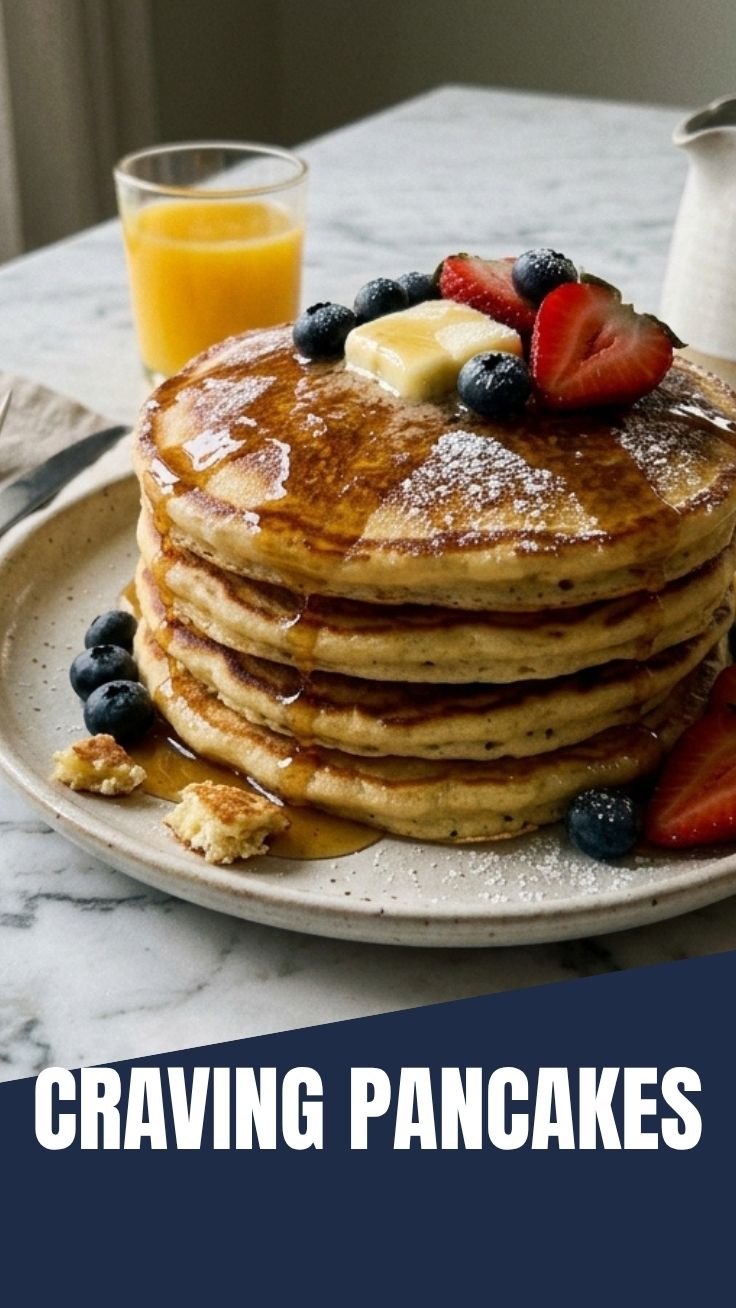
- Prep Time: 10 minutes
- Cook Time: 20-25 minutes (for about 12-14 pancakes)
- Total Time: 30-35 minutes
This recipe is perfect for a spontaneous weekend breakfast or a quick weekday treat. The prep time is minimal, allowing you to enjoy fresh, hot pancakes in under an hour from start to finish.
Step-by-Step Instructions
1. Combine Dry Ingredients: In a large mixing bowl, whisk together the all-purpose flour, granulated sugar, baking powder, baking soda, and salt. Make sure there are no lumps for uniformly fluffy Pancakes.
2. Combine Wet Ingredients: In a separate medium mixing bowl, whisk together the large egg, buttermilk, melted butter, and vanilla extract until well combined.
3. Combine Wet and Dry: Pour the wet ingredients into the dry ingredients. Stir just until combined. Crucially, do not overmix! A few lumps are perfectly fine and will result in tender pancakes. Overmixing develops the gluten in the flour, leading to tough pancakes.
4. Heat Your Griddle: Heat a lightly oiled non-stick skillet or electric griddle over medium heat. Test the heat by dropping a tiny bit of water on it – if it sizzles and evaporates quickly, it’s ready.
5. Cook the Pancakes: Pour ¼ cup of batter for each pancake onto the hot griddle. Cook for 2-3 minutes per side, or until golden brown and bubbles appear on the surface of the uncooked side. The edges should look set before flipping.
6. Flip and Finish: Carefully flip the pancakes with a spatula and cook for another 1-2 minutes until golden brown and cooked through. Repeat with the remaining batter, lightly re-oiling the griddle between batches if needed.
7. Serve Immediately: Stack your delicious pancakes and serve warm with your favorite toppings! Explore various Pancake recipes with different toppings for an exciting breakfast experience.
Nutritional Benefits & Advantages
Homemade pancakes, especially when made with whole grains or fortified flour, can offer a good source of carbohydrates for energy. Using buttermilk provides a source of calcium and probiotics, beneficial for gut health. You can boost the nutritional profile further by adding fresh berries for antioxidants and fiber, or a sprinkle of nuts for healthy fats and protein. Compared to many processed breakfast options, making your own allows for complete control over sugar content and ingredient quality, opting for healthier choices when possible.
Tips, Variations & Cooking Advice
- Flavor Variations: Add lemon zest, orange zest, cinnamon, or nutmeg to the dry ingredients for different flavor profiles. Chocolate chips, blueberries, or sliced bananas can be folded into the batter.
- Ingredient Swaps: For a richer flavor, brown the butter before adding it to the wet ingredients. For a slightly denser texture, use whole wheat flour for a portion of the all-purpose flour.
- Alternative Cooking Methods: If you don’t have a griddle, a cast-iron skillet works wonderfully. Just maintain consistent medium heat.
- Dietary Adaptations:
* Gluten-Free: Substitute all-purpose flour with a 1:1 gluten-free baking mix that contains xanthan gum.
* Dairy-Free: Use a dairy-free milk substitute (almond, soy, oat) and swap melted butter for a neutral oil like canola or coconut oil. For dairy-free buttermilk, combine a dairy-free milk with a tablespoon of apple cider vinegar.
Common Mistakes to Avoid
- Overmixing the Batter: This is the most common mistake! Lumps are okay. Overmixing develops gluten, leading to chewy, tough pancakes. Aim for a just-combined batter.
- Griddle Too Hot/Too Cold: A griddle that’s too hot will burn the outside before the inside cooks through. Too cold, and they won’t brown or rise properly. Medium heat is key.
- Not Letting Batter Rest: While not strictly necessary, letting the batter rest for 5-10 minutes can allow the flour to fully hydrate and the baking powder to start working, leading to fluffier results.
- Greasing Too Much: Too much oil can make pancakes greasy and prevent even browning. A light brush of oil or spray is sufficient.
Storage & Meal Prep Tips
Leftover pancakes can be stored in an airtight container in the refrigerator for up to 3-4 days. For longer storage, flash freeze cooked and cooled pancakes in a single layer on a baking sheet, then transfer to a freezer-safe bag or container for up to 2 months. Reheat frozen pancakes in a toaster, microwave, or oven until warmed through. This makes for a convenient grab-and-go breakfast during busy mornings.
Conclusion
Mastering homemade Pancakes is a culinary triumph that brings joy and deliciousness to any morning. With our detailed guide, you’re now equipped to create fluffy, flavorful pancakes that surpass any store-bought mix. Don’t be afraid to experiment with different flavor combinations and toppings from various Pancake recipes to make them truly your own. Share your pancake creations with us in the comments below – we’d love to see them!
FAQs
1. Can I use regular milk instead of buttermilk? Yes, you can create a buttermilk substitute by adding 1 tablespoon of white vinegar or lemon juice to regular milk and letting it sit for 5-10 minutes.
2. Why aren’t my pancakes fluffy? The most common reason is overmixing the batter, which develops gluten and makes them tough. Ensure your baking powder is fresh, and your griddle heat is consistent.
3. How do I keep my pancakes warm while I cook the rest? You can place cooked pancakes on a baking sheet in a warm oven (around 200°F or 90°C) while you finish the batch.
4. Can I make the batter ahead of time? While fresh batter is best, you can prepare the dry ingredients and wet ingredients separately the night before, then combine them just before cooking for the freshest results.
5. What are some unique pancake topping ideas? Beyond syrup, consider fruit compotes, whipped cream, chocolate sauce, peanut butter, yogurt, or savory toppings like bacon and cheese for a twist.