Unlock the Secret to the Fluffiest Homemade Pancakes You’ll Ever Make!
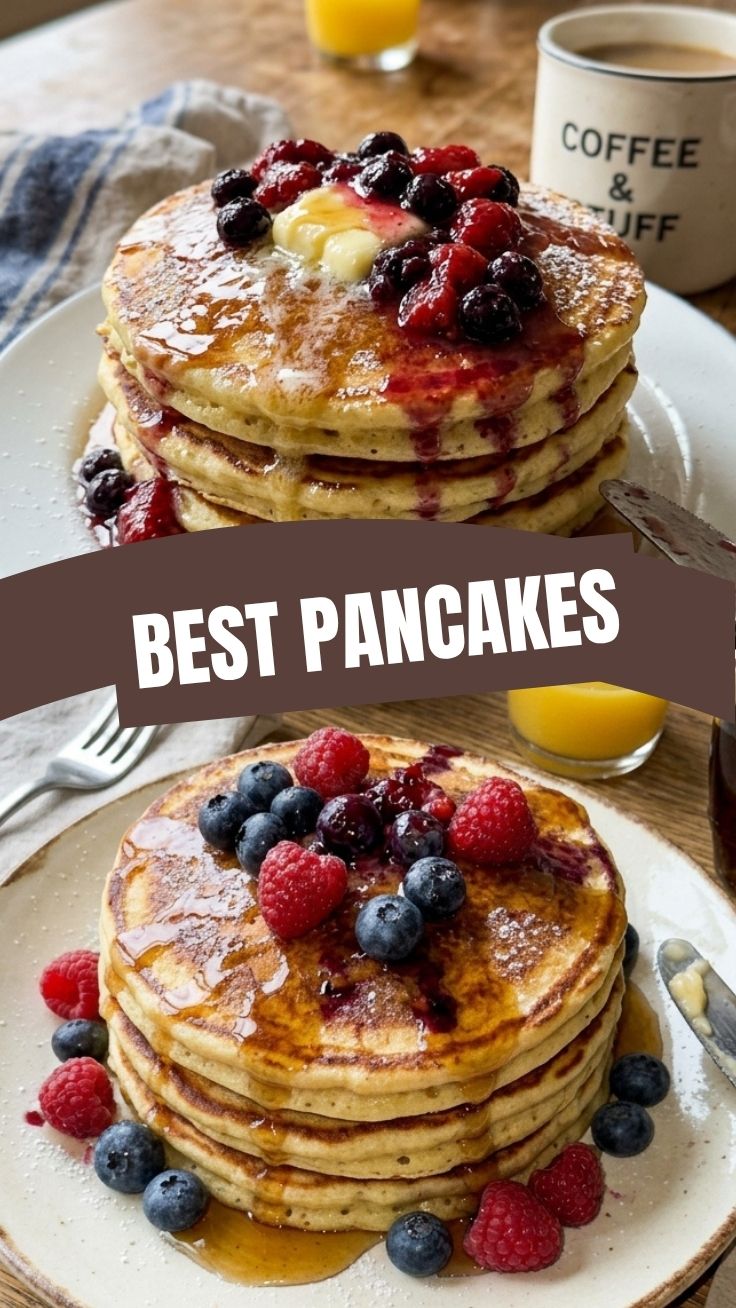
Tired of lackluster, flat pancakes that leave you wishing for more? Imagine waking up to the aroma of freshly cooked, golden-brown Pancakes, perfectly tender and ready to elevate your morning routine. This isn’t just about a recipe; it’s about crafting an unforgettable culinary experience right in your own kitchen. Mastering the art of homemade pancakes transforms a simple breakfast into a cherished moment, offering both delicious satisfaction and the joy of creating something truly special from scratch. Forget those boxed mixes – we’re about to embark on a journey to pancake perfection, ensuring every bite is a delightful revelation.
Ingredients & Kitchen Tools
To bake up the ultimate Pancakes for a delightful breakfast, gather these essentials:
- 1 ½ cups all-purpose flour: The foundation for our fluffy texture.
- 3 ½ teaspoons baking powder: The key leavening agent for lift and airiness.
- 1 teaspoon salt: Balances sweetness and enhances flavor.
- 1 tablespoon granulated sugar: Adds a touch of sweetness and promotes browning.
- 1 ¼ cups milk: Provides moisture and helps create a smooth batter. Dairy or non-dairy alternatives work well.
- 1 large egg: Acts as a binder and contributes to richness.
- 3 tablespoons melted butter (plus extra for cooking): Adds flavor and helps with browning. You can substitute with vegetable oil or a dairy-free alternative.
- Optional toppings: Maple syrup, fresh berries, whipped cream, chocolate chips, fruit compote.
Kitchen Tools:
- Large mixing bowl: For combining dry ingredients.
- Medium mixing bowl: For combining wet ingredients.
- Whisk: For thoroughly mixing.
- Measuring cups and spoons: For precise ingredient amounts.
- Ladle or ¼ cup measuring cup: For portioning batter onto the griddle.
- Non-stick griddle or large frying pan: Essential for even cooking and easy flipping.
- Spatula: For flipping pancakes.
Prep Time & Cooking Schedule
- Prep Time: 10 minutes
- Cook Time: 2-3 minutes per batch (approximately 15-20 minutes total for 8-10 pancakes)
- Resting Time: 5 minutes (for the batter)
Allowing the batter to rest briefly helps the baking powder activate and results in even fluffier pancakes. This short pause also gives you time to preheat your griddle, ensuring a seamless cooking process. This recipe is perfect for a relaxed weekend breakfast or a speedy weekday treat.
Step-by-Step Instructions
1. Combine Dry Ingredients: In a large bowl, whisk together the flour, baking powder, salt, and granulated sugar until well combined. This ensures even distribution of the leavening agents for consistent fluffiness in your Pancakes.
2. Combine Wet Ingredients: In a separate medium bowl, whisk together the milk, egg, and melted butter.
3. Combine Wet and Dry: Pour the wet ingredients into the dry ingredients. Mix until just combined. A few lumps are perfectly fine and even desirable; overmixing develops gluten, leading to tougher pancakes. The batter should be thick but pourable.
4. Rest the Batter: Let the batter rest for 5 minutes. This allows the baking powder to begin its magic, creating a lighter, airier texture.
5. Preheat Griddle: Heat a non-stick griddle or large frying pan over medium-low heat. Lightly grease with butter or cooking spray. The ideal temperature is crucial for achieving golden-brown, evenly cooked breakfast pancakes without burning.
6. Cook Pancakes: Pour ¼ cup of batter per pancake onto the hot griddle. Cook for 2-3 minutes per side, or until bubbles appear on the surface and the edges look set. Flip carefully and cook for another 1-2 minutes until golden brown and cooked through.
7. Serve: Transfer cooked pancakes to a plate and serve immediately with your favorite toppings.
Nutritional Benefits & Advantages
These homemade Pancakes offer more than just deliciousness. While often considered a treat, they can be a source of energy. Opting for whole wheat flour increases dietary fiber, aiding digestion and promoting satiety. Eggs provide protein for muscle repair, and milk adds calcium for bone health. By making them at home, you control the ingredients, reducing processed sugars and unhealthy fats often found in store-bought mixes or restaurant versions. Incorporating fresh fruit toppings boosts vitamin and antioxidant intake, transforming a simple breakfast into a more balanced and nutritious meal.
Tips, Variations & Cooking Advice
- Buttermilk Substitute: For an extra tangy flavor and incredibly tender pancakes, replace regular milk with buttermilk. If you don’t have buttermilk, add 1 tablespoon of lemon juice or white vinegar to regular milk and let it sit for 5 minutes before using.
- Flavor Boosts: Stir in ¼ teaspoon of vanilla extract or a pinch of cinnamon into the batter for added aroma and flavor.
- Add-ins: Fold in chocolate chips, fresh blueberries, mashed banana, or even finely chopped nuts into the batter just before cooking.
- Gluten-Free: Substitute the all-purpose flour with a 1:1 gluten-free flour blend.
- Dairy-Free: Use a non-dairy milk alternative (almond, soy, oat) and dairy-free butter or oil.
- Keep Warm: To keep cooked pancakes warm while you finish the batch, place them on a baking sheet in a preheated oven at 200°F (90°C).
Common Mistakes to Avoid
Overmixing the Batter: This is the most common mistake! Overmixing develops gluten, resulting in tough, chewy pancakes instead of light, fluffy ones. Mix until just* combined. Lumps are your friend!
- Griddle Temperature Too High: Cooking on a griddle that’s too hot will burn the outside before the inside cooks through, leading to raw centers and dark, unhappy Pancakes. Medium-low heat is key.
- Not Enough Fat on the Griddle: While non-stick surfaces help, a little butter or oil ensures even browning and prevents sticking, especially for a consistent breakfast feast.
- Flipping Too Soon: Wait for those tell-tale bubbles to appear on the surface and for the edges to set before flipping. An undercooked flip can lead to messy, misshapen pancakes.
Storage & Meal Prep Tips
Leftover Pancakes are a dream for meal prep! Allow them to cool completely before storing.
- Refrigeration: Place cooled pancakes in an airtight container or a large zip-top bag with parchment paper between layers to prevent sticking. They will stay fresh for 2-3 days in the refrigerator.
- Freezing: For longer storage, freeze cooled pancakes in a single layer on a baking sheet until solid. Then transfer them to a freezer-safe bag or container, again with parchment paper between layers. They can be frozen for up to 2 months.
- Reheating: Reheat refrigerated pancakes in a toaster, microwave, or on a lightly greased griddle over medium-low heat until warmed through. Frozen pancakes can be reheated directly from frozen in a toaster oven or microwave, often resulting in an almost fresh-like texture perfect for a quick breakfast.
Conclusion
There you have it – the definitive guide to creating the most delectable and fluffy homemade Pancakes! By following these simple steps and tips, you’re not just making a meal; you’re crafting a delightful experience. These pancakes are perfect for any morning, transforming your everyday breakfast into a special occasion. We encourage you to try this recipe, experiment with your favorite toppings, and share your culinary successes with us. Happy cooking!
FAQs
Q1: Why are my pancakes not fluffy?
A1: The most common reasons are overmixing the batter (developing gluten) or using old/inactive baking powder. Ensure your baking powder is fresh and mix the batter just until the ingredients are combined, leaving a few lumps.
Q2: Can I make the batter ahead of time?
A2: While fresh batter yields the fluffiest results, you can prepare the dry ingredients and wet ingredients separately and combine them just before cooking. If you must make the full batter ahead, it can be refrigerated overnight, but you might need to add a splash of milk and stir gently before cooking as it can thicken.
Q3: How do I know when to flip the pancakes?
A3: Look for bubbles breaking on the surface of the pancake and for the edges to appear set and slightly dry. This indicates the bottom is cooked and ready for flipping.
Q4: What’s the best way to get uniformly sized pancakes?
A4: Use a ¼ cup measuring cup or a ladle to scoop and pour the batter onto the griddle for consistent portioning.
Q5: Can I use different types of flour?
A5: Yes, you can experiment! Whole wheat flour will result in a denser texture but adds more fiber. A 1:1 gluten-free blend works well for gluten sensitivities. Keep in mind that different flours might require slight adjustments to the liquid amount.