Master the Art of Classic New York Cheesecake: Your Ultimate Guide
Have you ever dreamt of creating that perfectly creamy, incomparably smooth, and utterly decadent New York Cheesecake right in your own kitchen? That quintessential dessert, renowned for its rich flavor and velvety texture, often intimidates home bakers. But what if we told you that achieving bakery-quality results is not just possible, but incredibly rewarding? This comprehensive guide will demystify the process, transforming you into a cheesecake virtuoso. Beyond the sheer satisfaction, mastering classic New York Cheesecake offers the advantage of controlling ingredients, ensuring freshness, and tailoring sweetness to your preference – a luxury store-bought options can’t match. Prepare to impress your family and friends with an iconic dessert that taste buds will remember. And for those eager to explore beyond this classic, we’ll also touch upon a variety of other delightful Cheesecake recipes.
Ingredients & Kitchen Tools
Crafting the perfect cheesecake requires precise measurements and the right equipment. Here’s what you’ll need:
Cream Cheese: 4 (8-ounce) blocks full-fat, softened to room temperature. Absolutely essential for that signature creamy texture. Do not use low-fat.*
Granulated Sugar: 1 ½ cups. Provides sweetness and contributes to the smooth consistency.*
Sour Cream: 1 cup, full-fat, at room temperature. Adds a touch of tang and extra moisture, preventing cracks.*
Heavy Cream: ½ cup. Enriches the batter, making it even more luxurious.*
Large Eggs: 4, at room temperature. Bind the ingredients and provide structure. Room temperature eggs emulsify better.*
Vanilla Extract: 1 tablespoon, pure. Enhances all the other flavors. Don’t skimp on quality.*
Lemon Zest: 1 teaspoon (optional). Brightens the flavor profile without making it overtly lemony.*
Graham Cracker Crumbs: 1 ½ cups, finely crushed. Forms the delicious, slightly crisp base.*
Unsalted Butter: 6 tablespoons, melted. Binds the graham cracker crumbs together.*
Salt: ¼ teaspoon for the crust, a pinch for the filling. Balances sweetness and enhances flavors.*
9-inch Springform Pan: Crucial for easy removal without damaging the delicate cheesecake.*
Aluminum Foil: Heavy-duty. For wrapping the springform pan to prevent water from entering during the water bath.*
Large Roasting Pan: To hold the springform pan for the water bath.*
Electric Mixer (Stand or Handheld): For cream cheese and sugar to ensure a smooth, lump-free batter.*
Rubber Spatula: For scraping bowls and folding ingredients gently.*
Prep Time & Cooking Schedule
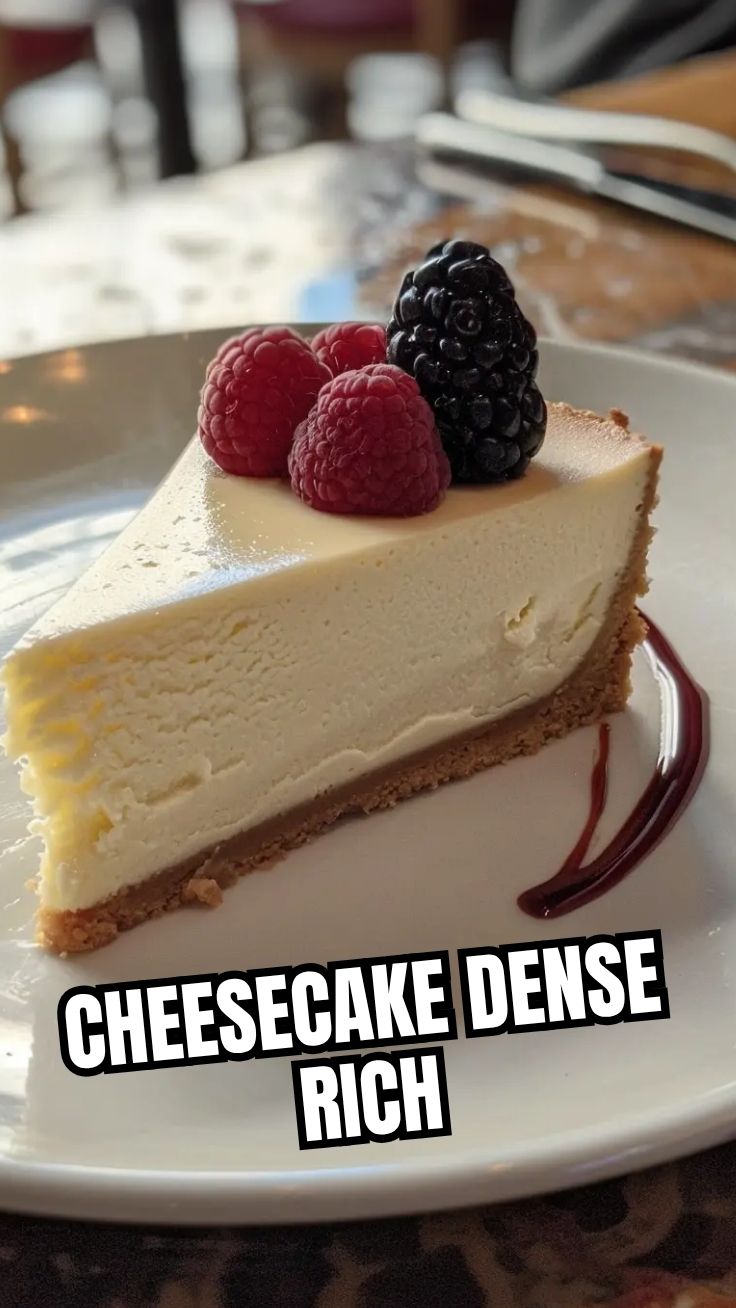
Achieving cheesecake perfection isn’t just about ingredients; it’s also about patience and timing.
- Prep Time: 30 minutes (active preparation)
- Bake Time: 1 hour 15 minutes to 1 hour 30 minutes
- Cooling Time (in oven): 1 hour (crucial for preventing cracks)
- Chilling Time (refrigerator): Minimum 6 hours, ideally overnight (essential for setting and flavor development)
Total Time: Approximately 9-10 hours, including chilling. Plan to start this recipe the day before you intend to serve it, allowing ample time for chilling. The chilling phase is critical for the cheesecake to firm up, making it easier to slice and allowing the flavors to meld beautifully.
Step-by-Step Instructions
Follow these detailed steps to create a show-stopping New York Cheesecake that will delight everyone. Even if you’re exploring other Cheesecake recipes, many of these fundamental techniques remain consistent for a successful bake.
1. Prepare the Crust: Preheat your oven to 350°F (175°C). In a medium bowl, combine graham cracker crumbs, melted butter, and ¼ teaspoon of salt. Press the mixture firmly and evenly into the bottom of a 9-inch springform pan. Bake for 10-12 minutes until lightly golden. Remove from oven and let cool completely. Lower oven temperature to 325°F (160°C).
2. Prepare the Water Bath: Wrap the outside of the springform pan tightly with several layers of heavy-duty aluminum foil. This prevents water from seeping into the crust during baking.
3. Make the Filling: In a large mixing bowl, beat the softened cream cheese and granulated sugar with an electric mixer on medium speed until smooth and lump-free, about 3-5 minutes. Scrape down the sides of the bowl frequently.
4. Add Wet Ingredients (Except Eggs): Gradually mix in the sour cream, heavy cream, vanilla extract, and lemon zest (if using) until just combined. Do not overmix.
5. Incorporate Eggs: Add the eggs one at a time, mixing on low speed just until each egg is incorporated. Overmixing eggs at this stage can introduce too much air, leading to cracks.
6. Assemble and Bake: Pour the cheesecake filling over the cooled crust in the prepared springform pan. Place the foil-wrapped springform pan into a larger roasting pan. Carefully pour hot water into the roasting pan until it comes halfway up the sides of the springform pan.
7. Bake: Bake for 1 hour 15 minutes to 1 hour 30 minutes, or until the edges are set but the center still jiggles slightly when gently shaken.
8. Cooling (Crucial Step): Turn off the oven, crack the door open slightly, and leave the cheesecake inside the water bath for 1 hour. This slow cooling prevents sudden temperature changes that can cause cracking.
9. Chill: Remove the cheesecake from the oven and water bath. Run a thin knife around the edge of the pan (without removing the springform side yet) to loosen it. Let it cool completely on a wire rack at room temperature. Once cool, cover and refrigerate for a minimum of 6 hours, or ideally overnight, for the best texture and flavor.
Nutritional Benefits & Advantages
While often seen as an indulgence, a carefully prepared New York Cheesecake can offer some surprising benefits. Made with full-fat dairy, it’s a good source of calcium and protein. The natural fats contribute to satiety, meaning a smaller slice can be incredibly satisfying. When made at home, you avoid the artificial additives and excessive preservatives often found in commercial versions. Choosing quality ingredients, like pure vanilla and fresh lemon zest, enhances both flavor and the overall nutritional profile.
Tips, Variations & Cooking Advice
- Room Temperature Ingredients: This is non-negotiable for a smooth, lump-free batter. Cold ingredients will not emulsify properly, leading to a lumpy texture.
- Do Not Overmix: Especially after adding the eggs. Overmixing incorporates too much air, causing the cheesecake to rise rapidly and then fall, leading to cracks.
- The Water Bath is Essential: It insulates the cheesecake, providing a moist, even heat that prevents cracking and results in a silky-smooth texture.
- Crack Prevention: Besides the water bath and slow cooling, avoid opening the oven door frequently during baking.
- Flavor Variations:
* Chocolate Swirl: Melt 4 oz bittersweet chocolate, drizzle over the top before baking, and swirl with a knife.
* Fruity Topping: Serve with fresh berries, a compote (e.g., raspberry, cherry), or a lemon curd.
* Espresso: Add 1-2 tablespoons of instant espresso powder to the cream cheese mixture for a coffee-infused treat.
- Gluten-Free: Substitute gluten-free graham cracker crumbs for the crust.
- No-Bake Option: While not a true New York Cheesecake, many Cheesecake recipes offer elegant no-bake alternatives using gelatin or whipped cream for setting.
Common Mistakes to Avoid
1. Cold Ingredients: As mentioned, this leads to lumps. Always plan ahead and let ingredients come to room temperature.
2. Overmixing: The enemy of a crack-free cheesecake. Mix only until just combined.
3. Opening the Oven Door: Each time you open the oven, the temperature drops, which can shock the cheesecake and cause cracks.
4. Skipping the Water Bath or Slow Cooling: These steps are critical for the delicate custard-like texture and preventing major cracks.
5. Impatience with Chilling: A warm cheesecake isn’t fully set, making it difficult to slice and compromising its texture. Give it time!
Storage & Meal Prep Tips
Your perfectly baked New York Cheesecake needs proper care to maintain its pristine condition.
- Refrigeration: Store leftover cheesecake tightly covered in the refrigerator for up to 5-7 days. An airtight container or plastic wrap directly touching the surface helps prevent it from drying out or absorbing refrigerator odors.
- Freezing: Cheesecake freezes exceptionally well! For best results, place individual slices or the whole cheesecake (uncovered) in the freezer until firm. Then, wrap tightly in plastic wrap, followed by a layer of aluminum foil. It can be stored for up to 1-2 months.
- Thawing: Thaw frozen cheesecake in the refrigerator overnight. For individual slices, you might allow a few hours at room temperature, but refrigeration is always safest.
Conclusion
Creating a classic New York Cheesecake is a truly rewarding culinary endeavor. With patience, precise measurements, and adherence to these guidelines, you can achieve that coveted creamy texture and rich flavor that distinguishes this iconic dessert. Don’t be afraid to experiment with toppings or explore the vast world of other Cheesecake recipes once you’ve mastered this fundamental technique. We encourage you to try this recipe, share your magnificent creations with us, and savor every indulgent bite!
FAQs
Q1: Why did my cheesecake crack?
A1: Cracking is usually due to sudden temperature changes (opening the oven door, cooling too quickly), overmixing the batter (incorporating too much air), or under-baking. Ensure you use a water bath and allow for slow cooling in the oven.
Q2: Can I use store-bought graham cracker crust?
A2: Yes, you can, but a homemade crust often tastes fresher and allows you to control the thickness and buttery flavor. If using store-bought, make sure it’s a 9-inch crust.
Q3: How do I know when my cheesecake is done baking?
A3: The edges should be set, but the center (about 2-3 inches in diameter) should still have a slight jiggle. It will continue to set as it cools.
Q4: My cheesecake is lumpy. What went wrong?
A4: Lumps are almost always caused by using cold cream cheese or other dairy products. Ensure all ingredients are at room temperature before mixing.
Q5: Can I make this cheesecake ahead of time for a party?
A5: Absolutely! Cheesecake is an excellent make-ahead dessert. Its flavor and texture actually improve after a full night of chilling, making it perfect to prepare the day before your event.