Master Homemade Meatballs: Your Ultimate Guide to Flavorful Feasts
Ever wondered if you could recreate those incredibly tender, rich-in-flavor Meatballs you dream about, right in your own kitchen? The answer is a resounding YES! Preparing Meatball recipes at home isn’t just about saving money; it’s about crafting dishes packed with personalized flavor, using quality ingredients you trust, and enjoying the immense satisfaction of a homemade meal. This comprehensive guide will transform you into a meatball maestro, ensuring every bite is a culinary delight, whether you’re serving them as an appetizer, a main course, or a comforting weeknight dinner.
Ingredients & Kitchen Tools
Crafting the perfect meatball starts with the right components and equipment.
Ground Meat (1.5 lbs): A blend of 80/20 ground beef and ground pork offers the best texture and moisture. Substitution: All beef, turkey, chicken, or a plant-based alternative for vegetarian options.*
Breadcrumbs (1/2 cup): Panko breadcrumbs provide a lighter, crisper texture. Clarification: Fresh or dried breadcrumbs work; adjust moisture as needed.*
Egg (1 large): Binds the ingredients together, preventing crumbling. Substitution: 1/4 cup milk or flax egg for binding.*
Milk (1/4 cup): Adds moisture and tenderness. Clarification: Any milk (dairy or non-dairy) is fine.*
Parmesan Cheese (1/2 cup, grated): Adds a salty, umami depth. Substitution: Nutritional yeast for a dairy-free option or pecorino romano for a sharper flavor.*
Onion (1/2, finely minced): Contributes aromatic sweetness. Clarification: Sautéing before adding can enhance sweetness and reduce sharpness.*
Garlic (3 cloves, minced): Essential for classic savory flavor. Substitution: Garlic powder (1 tsp) if fresh is unavailable.*
Fresh Parsley (1/4 cup, chopped): Adds a fresh, herbaceous note. Substitution: Dried parsley (1 tbsp) or oregano for a different profile.*
Salt (1 tsp) & Black Pepper (1/2 tsp): Basic seasoning to enhance all flavors. Clarification: Adjust to taste.*
Olive Oil (2 tbsp): For cooking the meatballs. Substitution: Avocado oil or canola oil.*
Kitchen Tools:
- Large Mixing Bowl: For combining all ingredients.
- Baking Sheet with Rack: For baking and even cooking.
- Large Skillet/Dutch Oven: For searing or simmering.
- Meat Thermometer: For ensuring internal doneness.
- Measuring Cups & Spoons: For accurate ingredient ratios.
Prep Time & Cooking Schedule
- Prep Time: 20 minutes (includes mincing and mixing).
- Chilling/Resting Time: 30 minutes (optional, but highly recommended for better texture and preventing meatballs from falling apart).
- Cook Time: 20-30 minutes (baking or pan-frying, depending on size and method).
Planning Ahead: For optimal flavor and ease, consider prepping your meatball mixture in advance. The chilling time allows the flavors to meld and the mixture to firm up, making it easier to form uniform Meatballs. If you plan to simmer them in sauce, you can form them and then chill for up to 24 hours.
Step-by-Step Instructions
1. Prepare the Mixture: In your large mixing bowl, gently combine the ground meat, breadcrumbs, egg, milk, Parmesan cheese, minced onion, minced garlic, fresh parsley, salt, and black pepper. Practical Tip: Avoid overmixing, as this can lead to tough meatballs. Mix just until combined.
2. Form the Meatballs: Using a tablespoon or a small ice cream scoop, form the mixture into uniform 1.5-inch balls. Practical Tip: Lightly moisten your hands to prevent sticking. Aim for consistency in size for even cooking.
3. Chill (Optional but Recommended): Arrange the formed Meatballs on a baking sheet and refrigerate for at least 30 minutes. This helps them hold their shape and develop a better texture.
4. Cook Your Meatballs:
* Baking Method (Recommended for ease & less mess): Preheat oven to 400°F (200°C). Place meatballs on a baking rack set over a baking sheet (this allows fat to drip away). Bake for 20-25 minutes, or until cooked through and lightly browned. An internal temperature of 160°F (71°C) is ideal.
* Pan-Frying Method (For a crispy crust): Heat olive oil in a large skillet over medium-high heat. Sear the meatballs in batches, turning occasionally, until browned on all sides and cooked through. This often requires finishing them in a sauce or oven to ensure they are fully cooked.
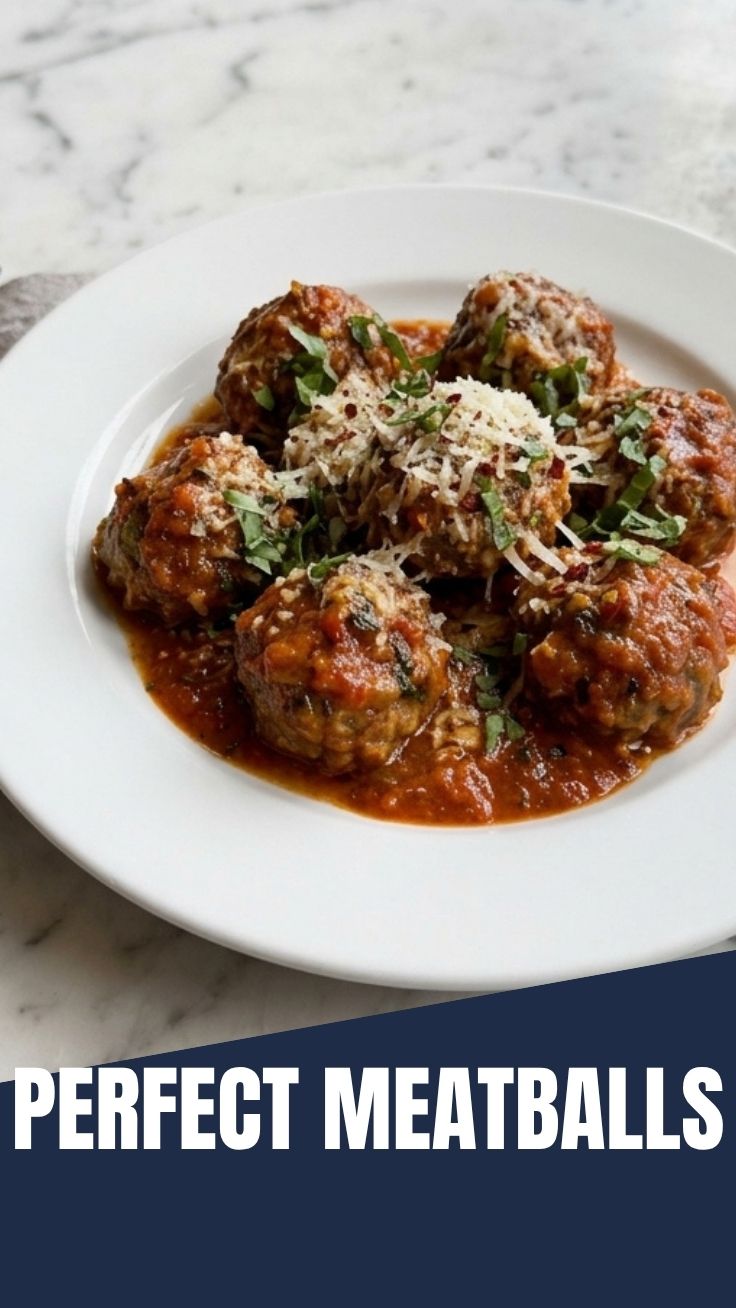
5. Serve & Enjoy: Your beautifully crafted Meatball recipes are now ready! Serve immediately with your favorite sauce, pasta, or as a stand-alone appetizer.
Nutritional Benefits & Advantages
Homemade meatballs offer significant nutritional advantages. They are an excellent source of protein, essential for muscle repair and growth. By making them at home, you control the fat content, sodium levels, and avoid unwanted additives often found in store-bought versions. Incorporating fresh herbs and vegetables like onion and garlic also adds vitamins, minerals, and antioxidants, boosting the overall nutritional profile of your meal.
Tips, Variations & Cooking Advice
- Flavor Boosts: Add a pinch of red pepper flakes for heat, a spoonful of Worcestershire sauce for umami, or dried oregano/basil for an Italian flair.
- Vegetarian/Vegan: Substitute ground meat with a mixture of finely chopped mushrooms, lentils, or a good quality plant-based ground product. Use flax eggs and nutritional yeast.
- Gluten-Free: Use gluten-free breadcrumbs or an equal amount of cooked quinoa or rice as a binder.
- Sauce Pairings: Classic marinara, creamy mushroom sauce, lemon-dill sauce, or a spicy BBQ glaze all complement meatballs beautifully.
- Portion Control: For smaller appetizers, form mini-meatballs and adjust cooking time accordingly.
Common Mistakes to Avoid
- Overmixing: Leads to dense, tough meatballs. Mix gently and briefly.
- Underseasoning: Don’t be shy with salt and pepper! Taste a small cooked portion of the mixture if unsure.
- Overcrowding the Pan: If pan-frying, cook in batches to avoid steaming instead of searing, which prevents a good crust.
- Not Chilling: While optional, chilling helps the meatballs maintain their shape and prevents them from falling apart during cooking.
- Uneven Sizing: Results in some meatballs being undercooked and others overcooked.
Storage & Meal Prep Tips
- Refrigeration: Cooked meatballs can be stored in an airtight container in the refrigerator for 3-4 days.
- Freezing Cooked Meatballs: Arrange cooled meatballs in a single layer on a baking sheet and freeze until solid. Transfer to a freezer-safe bag or container. They will last for up to 3 months.
- Freezing Uncooked Meatballs: Form the meatballs, freeze them solid on a baking sheet, then transfer to a freezer-safe bag. Thaw in the refrigerator before cooking.
- Reheating: Reheat gently in a sauce on the stovetop over low heat, or in the microwave until heated through. For a crispier texture, reheat in the oven at 350°F (175°C) for 10-15 minutes.
Conclusion
Mastering homemade Meatballs is a rewarding culinary journey that opens up a world of delicious possibilities. From simple weeknight dinners to impressive entertaining, the ability to craft tender, flavorful Meatball recipes from scratch is a skill you’ll treasure. Don’t hesitate to experiment with different flavor profiles and serving suggestions. Dive in, get creative, and share your delicious creations with family and friends – you might just discover your new signature dish!
FAQs
Q1: Can I use different types of ground meat?
A1: Absolutely! While a beef/pork blend is classic, you can use all beef, turkey, chicken, or even lamb. Adjust seasonings to complement the specific meat’s flavor.
Q2: How do I prevent my meatballs from falling apart?
A2: Ensure you have enough binder (like breadcrumbs and egg), avoid overmixing, and consider chilling the formed meatballs before cooking. Not overcrowding the pan during searing also helps.
Q3: What’s the best way to get uniformly sized meatballs?
A3: Use a small cookie scoop or a measuring spoon (e.g., a tablespoon) to portion out the mixture. This ensures consistent size, which leads to even cooking.
Q4: Can I bake meatballs from frozen?
A4: Yes, you can. Increase the baking time by about 10-15 minutes and ensure they reach an internal temperature of 160°F (71°C) before serving.
Q5: What are some good sauce ideas for these meatballs?
A5: Classic marinara, Swedish cream sauce, sweet and sour, honey garlic, or a simple pesto. The possibilities are endless!