Master the Art of Lasagna: Your Ultimate Guide to a Comfort Food Classic
Ever dreamt of crafting the perfect, bubbling, cheesy Lasagna right in your own kitchen? That hearty, layered casserole that promises comfort in every forkful? Forget store-bought versions; mastering this classic Italian dish at home is not only incredibly rewarding but also allows for unparalleled personalization and fresh, wholesome ingredients. This comprehensive guide will transform you into a lasagna virtuoso, ensuring each bite is a symphony of flavors, far superior to any pre-made italian pasta bake you might find. Let’s embark on this delicious journey together!
Ingredients & Kitchen Tools
Crafting the perfect lasagna requires a thoughtful selection of fresh ingredients and the right tools.
- Lasagna Noodles (1 box, 12-16 sheets): Opt for oven-ready (no-boil) for convenience or traditional for a chewier texture.
- Ground Beef or Italian Sausage (1.5 lbs): Lean ground beef (80/20) for flavor, or a mix of beef and Italian sausage for a spicy kick.
- Crushed Tomatoes (28 oz can): The base of our rich meat sauce.
- Tomato Paste (6 oz can): Adds depth and intensity to the sauce.
- Onion (1 large): Finely diced, provides a sweet aromatic foundation.
- Garlic (4-5 cloves): Minced, for a pungent, essential flavor.
- Ricotta Cheese (15 oz container): Full-fat for creaminess, or part-skim for a lighter option.
- Mozzarella Cheese (16 oz, shredded): Low-moisture, part-skim melts beautifully.
- Parmesan Cheese (½ cup, grated): Adds a sharp, salty finish.
- Eggs (2 large): Binds the ricotta mixture, preventing it from becoming watery.
- Fresh Spinach (10 oz, optional): Adds nutrients and a pop of color.
- Fresh Basil & Parsley (¼ cup each, chopped): For freshness and aroma.
- Olive Oil (2 tbsp): For sautéing.
- Salt & Black Pepper (to taste): Essential seasoning.
- Italian Seasoning (1 tbsp): A blend of dried herbs.
Kitchen Tools:
- 9×13 inch Baking Dish: The standard size for lasagna.
- Large Skillet/Dutch Oven: For cooking the meat sauce.
- Large Mixing Bowl: For the ricotta mixture.
- Spatula/Wooden Spoon: For stirring and layering.
- Measuring Cups & Spoons: For accurate ingredient measurement.
- Cheese Grater (if using block cheese): For freshly grated cheese.
Prep Time & Cooking Schedule
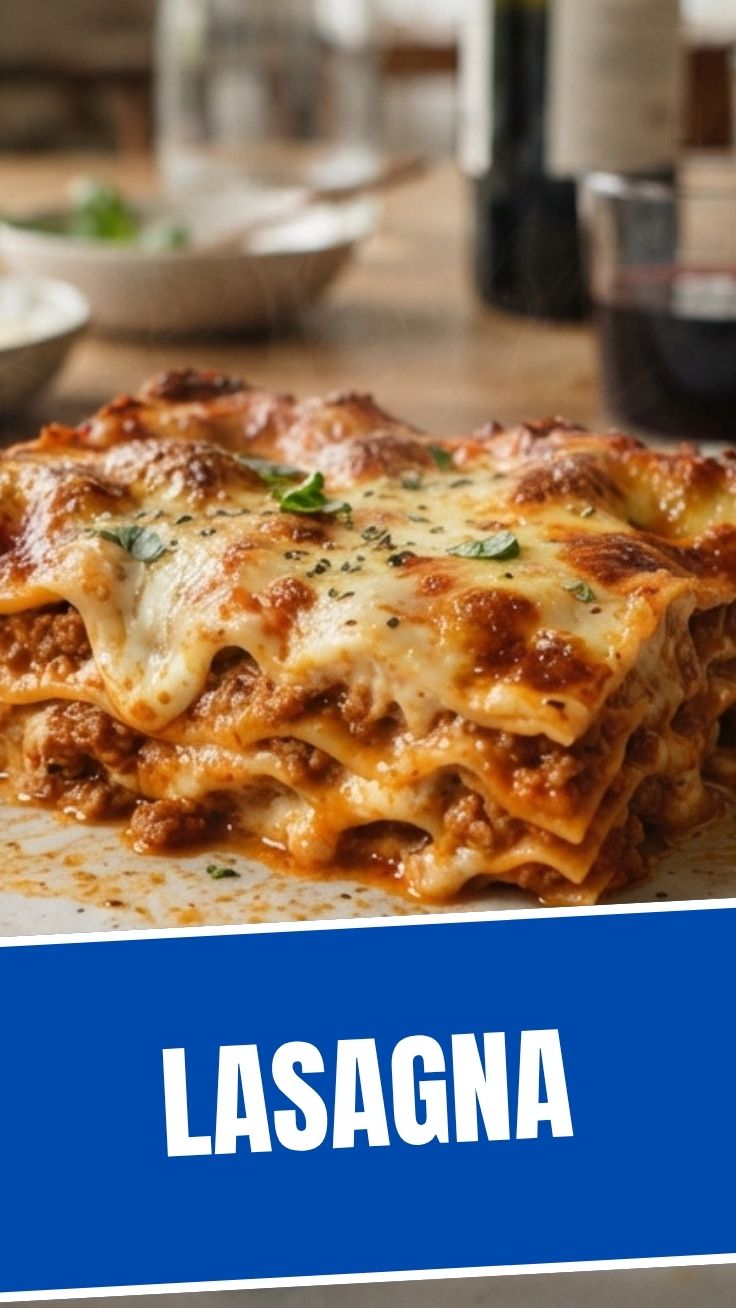
Planning is key to a perfectly timed lasagna.
- Prep Time: 30-45 minutes. This includes chopping vegetables, cooking the meat sauce, and mixing the ricotta filling.
- Cook Time: 50-60 minutes.
* Covered: 25-30 minutes at 375°F (190°C) to ensure even cooking and prevent the top from drying out.
* Uncovered: 20-25 minutes at 375°F (190°C) to brown the cheese and achieve that glorious, bubbly top.
- Resting Time: 15-20 minutes. Crucial for the layers to set, preventing a soupy mess when sliced. Don’t skip this! Allow it to rest on the counter before serving.
Step-by-Step Instructions
Follow these detailed steps to build your magnificent Lasagna, ensuring each layer contributes to a harmonious whole.
1. Prepare the Meat Sauce: In a large skillet or Dutch oven, heat olive oil over medium heat. Add the diced onion and cook until softened (5-7 minutes). Add minced garlic and cook for another minute until fragrant. Add the ground beef (or sausage) and cook, breaking it up with a spoon, until browned. Drain any excess fat. Stir in the tomato paste, cooking for 2 minutes to deepen its flavor. Pour in the crushed tomatoes, Italian seasoning, salt, and pepper. Bring to a simmer, then reduce heat to low, cover, and let it gently simmer for at least 30 minutes, or up to an hour, allowing the flavors to meld beautifully. The longer it simmers, the richer it becomes.
2. Prepare the Ricotta Mixture: In a large mixing bowl, combine the ricotta cheese, eggs, grated Parmesan, chopped fresh parsley, chopped fresh basil, and a pinch of salt and pepper. If using spinach, squeeze out as much water as possible and mix it in. Mix thoroughly until well combined.
3. Preheat Oven & Prepare Dish: Preheat your oven to 375°F (190°C). Lightly grease your 9×13 inch baking dish.
4. Assemble the Lasagna:
* Sauce Base: Spread a thin layer of meat sauce (about 1 cup) on the bottom of the prepared baking dish. This prevents the noodles from sticking.
* First Noodle Layer: Arrange a single layer of lasagna noodles over the sauce. (If using traditional noodles, ensure they are slightly overlapping).
* Ricotta Layer: Spread half of the ricotta mixture evenly over the noodles.
* Mozzarella Layer: Sprinkle about one-third of the shredded mozzarella cheese over the ricotta.
* Meat Sauce Layer: Spoon about 1.5-2 cups of meat sauce over the mozzarella.
* Repeat Layers: Repeat the noodle, remaining ricotta, mozzarella, and meat sauce layers.
* Final Layer: Top with a final layer of noodles, the remaining meat sauce, and generously sprinkle with the remaining mozzarella and a little extra Parmesan.
5. Bake: Cover the baking dish tightly with aluminum foil. Bake for 25-30 minutes. Remove the foil and bake for an additional 20-25 minutes, or until the cheese is golden brown and bubbly, and the sauce is simmering at the edges. If your cheese is browning too quickly, you can loosely tent it with foil.
6. Rest & Serve: This is crucial! Let the lasagna rest on a wire rack for 15-20 minutes before slicing and serving. This allows the layers to set, preventing a messy collapse. Enjoy your homemade italian pasta bake!
Nutritional Benefits & Advantages
This homemade lasagna offers more than just incredible flavor. The tomatoes in the sauce are packed with lycopene, a powerful antioxidant. Spinach adds iron and vitamins K and A. The dairy provides calcium and protein, essential for bone health and muscle repair. Opting for lean ground meat reduces saturated fat, while controlling salt content is easy when you’re cooking from scratch. Plus, the joy and satisfaction of preparing a meal like this for loved ones are benefits that truly nourish the soul.
Tips, Variations & Cooking Advice
- Spice it Up: Add a pinch of red pepper flakes to the meat sauce for a subtle kick.
- Vegetarian Option: Omit the meat and double the spinach and add sautéed mushrooms, zucchini, or bell peppers for a delicious vegetarian lasagna.
- Creamier Texture: Stir in a few tablespoons of heavy cream or a dollop of mascarpone to the ricotta mixture for extra richness.
- Herb Power: Don’t shy away from fresh herbs! Oregano, thyme, and marjoram can be added to the meat sauce for additional aromatic complexity.
Pre-boiling Noodles: If using traditional noodles, boil them al dente* according to package directions, then rinse with cold water and toss with a little olive oil to prevent sticking.
- Cheese Blend: Experiment with different cheese combinations. Provolone or fontina can add a gourmet touch.
Common Mistakes to Avoid
- Not Draining Fat: Excess fat from ground meat can make your lasagna greasy. Always drain it thoroughly.
- Not Enough Sauce: A dry lasagna is a sad lasagna. Ensure generous layers of sauce to keep it moist and flavorful.
Overcooking Noodles (if boiling): Mushy noodles will ruin the texture. Boil them al dente* if not using no-boil.
- Skipping the Rest Time: This is the most common mistake! Slicing too soon results in runny, collapsing layers. Patience is a virtue here.
- Too Much Liquid: If your sauce is too thin, it can make the lasagna watery. Simmer it longer to reduce and thicken.
Storage & Meal Prep Tips
Lasagna is a fantastic make-ahead meal!
- Refrigeration: Store leftover lasagna in an airtight container in the refrigerator for up to 3-4 days.
- Freezing (Baked): Once completely cooled, cut the lasagna into individual portions. Wrap each portion tightly in plastic wrap, then aluminum foil. Freeze for up to 2-3 months. Thaw in the refrigerator overnight before reheating.
- Freezing (Unbaked): Assemble the lasagna as directed, but do not bake. Wrap it tightly in plastic wrap and then foil. Freeze for up to 1 month. When ready to bake, thaw in the refrigerator overnight, then bake as usual (you might need an extra 10-15 minutes of covered baking time).
- Reheating: For individual slices, microwave until heated through. For larger portions, cover with foil and reheat in a preheated oven at 350°F (175°C) until bubbly and hot in the center (20-30 minutes).
Conclusion
Congratulations, you’re now equipped with the knowledge to create a truly spectacular Lasagna from scratch! This detailed guide has covered everything from selecting the finest ingredients to mastering the art of layering and achieving that perfect, golden-brown crust. Remember, the key to an exceptional italian pasta bake lies in the quality of your ingredients, patience, and a dash of love. We encourage you to try this recipe, experiment with the variations, and savor the incredible flavors of this timeless comfort food. Share your culinary creations in the comments below – we’d love to see them!
FAQs
Q1: Can I make the meat sauce ahead of time?
A1: Absolutely! The meat sauce can be made 1-2 days in advance and stored in the refrigerator. In fact, its flavor often deepens overnight.
Q2: What if my lasagna noodles stick together when boiling?
A2: If using traditional noodles, ensure you use a large pot of generously salted boiling water, stir occasionally, and add a tablespoon of olive oil to the water to prevent sticking.
Q3: My lasagna is too watery, what went wrong?
A3: This can be due to a sauce that’s too thin, ricotta cheese that wasn’t adequately drained, or slicing the lasagna too soon after baking. Ensure your sauce is reduced and let the lasagna rest.
Q4: Can I use different cheeses?
A4: Yes! Feel free to experiment. Provolone, Fontina, or even a blend of Italian cheeses can add unique flavor profiles. Just ensure they are good melting cheeses.