Mastering the Art of Homemade Lasagna: A Journey to Culinary Perfection
Ever wondered if you could recreate that iconic, layered masterpiece right in your own kitchen? The thought of crafting a rich, comforting Lasagna at home might seem daunting, but it’s a deeply rewarding culinary adventure. Forget the bland, store-bought versions; there’s an undeniable satisfaction in building each flavorful stratum, from the savory ragu to the creamy béchamel, culminating in a dish that truly tastes of home. This blog post will guide you through every step, demystifying the process and showing you how to achieve a show-stopping Lasagna that will impress family and friends alike. We’ll also explore various Lasagna recipes to inspire your next kitchen escapade, ensuring you find endless culinary joy.
Ingredients & Kitchen Tools
To embark on your Lasagna journey, gather these essentials:
- For the Ragu:
* 1 tbsp olive oil: For sautéing aromatics.
* 1 large onion, finely chopped: Adds a sweet base.
* 2 cloves garlic, minced: Pungent flavor enhancer.
* 1 lb ground beef (80/20 lean): Rich flavor and texture.
* 1 (28 oz) can crushed tomatoes: The heart of the sauce.
* 1 (15 oz) can tomato sauce: Adds depth and body.
* 2 tbsp tomato paste: Concentrated tomato flavor.
* 1/2 cup beef broth: Thins the sauce slightly and adds richness.
* 1 tsp dried oregano: Earthy, Italian herb goodness.
* 1/2 tsp dried basil: Sweet and peppery aromatic.
* Salt and black pepper to taste: Essential seasoning.
- For the Béchamel (White Sauce):
* 4 tbsp unsalted butter: Basis for the roux.
* 4 tbsp all-purpose flour: Thickening agent.
* 3 cups whole milk, warm: Creates a creamy, smooth sauce.
* 1/2 tsp ground nutmeg (optional): Adds a subtle warmth.
* Salt and white pepper to taste: Seasoning without visible specks.
- For the Layers:
* 12-15 Lasagna noodles (oven-ready or regular, cooked al dente): The structural component.
* 15 oz ricotta cheese: Creamy and tangy, provides moisture.
* 1 large egg: Binds the ricotta mixture.
* 1/4 cup grated Parmesan cheese: Salty, nutty flavor for the ricotta.
* 16 oz shredded mozzarella cheese: The quintessential melty cheese.
* Fresh basil for garnish (optional): Aromatic finishing touch.
Kitchen Tools:
- Large skillet or Dutch oven: For the ragu.
- Medium saucepan: For the béchamel.
- 9×13 inch baking dish: The vessel for your culinary creation.
- Whisk: For smooth béchamel.
- Spatula or wooden spoon: For stirring.
- Cutting board and knife: For ingredient prep.
Prep Time & Cooking Schedule
- Prep Time: 45 minutes (includes chopping, making ragu and béchamel)
- Cook Time: 30 minutes covered, 15-20 minutes uncovered
- Resting Time: 15-20 minutes (crucial for setting)
Plan your cooking to allow ample time for each component. The ragu can even be made a day ahead to deepen its flavors. Remember, the resting time is non-negotiable for a neat slice!
Step-by-Step Instructions
1. Prepare the Ragu: Heat olive oil in a large skillet over medium heat. Sauté onion until softened, about 5-7 minutes. Add minced garlic and cook for another minute until fragrant. Add ground beef, breaking it up with a spoon, and cook until browned. Drain any excess fat. Stir in crushed tomatoes, tomato sauce, tomato paste, beef broth, oregano, and basil. Bring to a simmer, then reduce heat to low, cover, and let it gently cook for at least 30 minutes, or up to 2 hours, for flavors to meld. Season with salt and pepper.
2. Make the Béchamel: In a medium saucepan, melt butter over medium heat. Whisk in flour and cook for 1-2 minutes to form a roux. Gradually whisk in warm milk until smooth. Continue whisking until the sauce thickens to a creamy consistency, about 5-7 minutes. Stir in nutmeg (if using), salt, and white pepper. Keep warm.
3. Prepare Ricotta Mixture: In a bowl, combine ricotta cheese, egg, and Parmesan cheese. Season with a pinch of salt and pepper.
4. Cook Noodles (if not oven-ready): Bring a large pot of salted water to a boil. Add Lasagna noodles and cook according to package directions until al dente. Drain and rinse with cold water to prevent sticking.
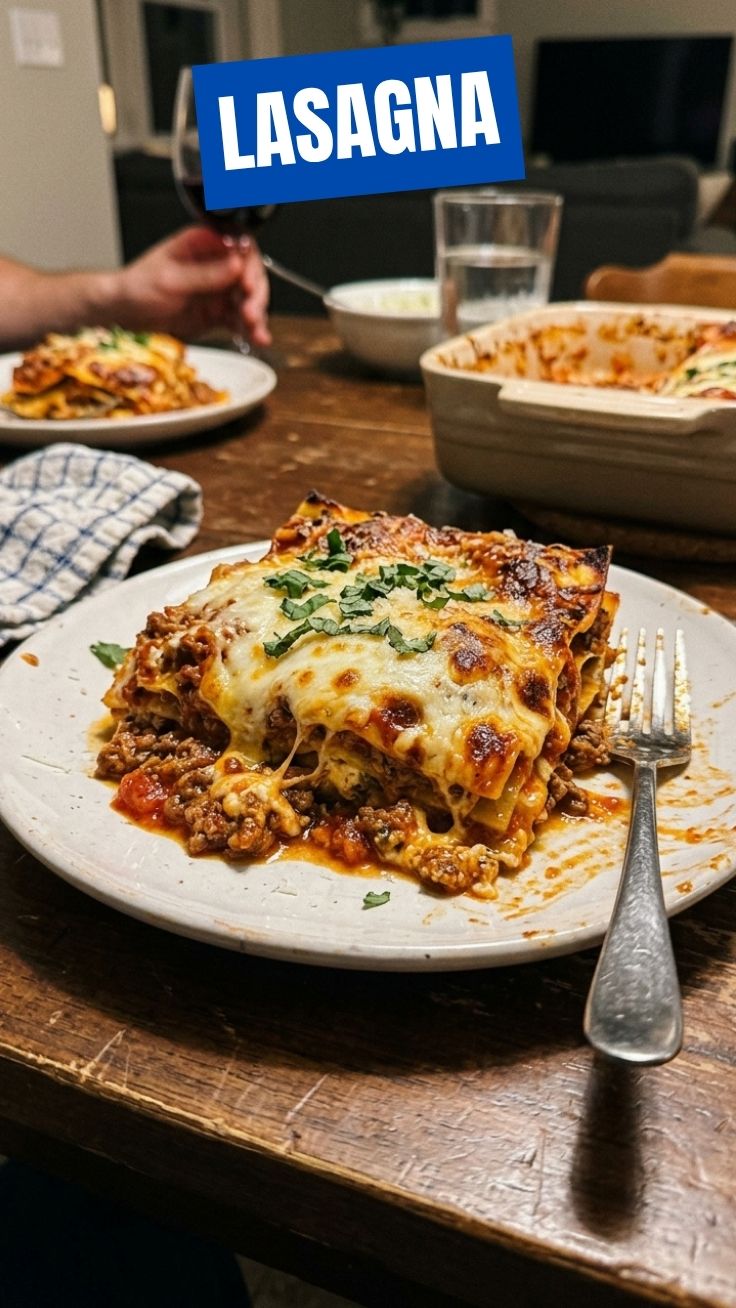
5. Assemble the Lasagna: Ladle about 1 cup of ragu onto the bottom of your 9×13 inch baking dish. Arrange a single layer of noodles over the sauce. Spread half of the ricotta mixture over the noodles. Top with about 1 cup of ragu, then a layer of béchamel, and finally a generous sprinkle of mozzarella. Repeat the noodle, ricotta, ragu, béchamel, and mozzarella layers. Finish with a final layer of noodles, generously topped with remaining ragu, béchamel, and mozzarella. This layered approach is key to any of the diverse Lasagna recipes you might encounter.
6. Bake: Preheat oven to 375°F (190°C). Cover the baking dish with foil and bake for 30 minutes. Remove foil and bake for another 15-20 minutes, or until the top is golden brown and bubbly.
7. Rest: Let the Lasagna rest for 15-20 minutes before slicing and serving. This allows the layers to set, preventing a messy collapse.
Nutritional Benefits & Advantages
Homemade Lasagna offers a balanced meal. The ground beef provides essential protein and iron, while the tomatoes are rich in lycopene, a powerful antioxidant. Dairy products like ricotta, mozzarella, and milk contribute calcium for strong bones. By making it at home, you control the ingredients, reducing sodium and unhealthy fats often found in convenience meals. It’s a wholesome dish that can be packed with vegetables for added fiber and vitamins, truly nourishing your body and soul.
Tips, Variations & Cooking Advice
- Vegetarian Version: Substitute ground beef with lentils, mushrooms, or a combination of cooked spinach and crumbled plant-based “meat.”
- Gluten-Free: Use gluten-free Lasagna noodles, widely available in most grocery stores.
- Spice It Up: Add a pinch of red pepper flakes to your ragu for a subtle kick.
- Herb Power: Experiment with fresh herbs like parsley or thyme in your ragu.
- Cheesy Variations: Along with mozzarella and Parmesan, consider adding provolone or fontina for extra flavor complexity.
Common Mistakes to Avoid
- Undercooked Noodles: If using regular noodles, ensure they are cooked al dente. Hard noodles can make the whole dish tough.
- Skimping on Sauce: A dry Lasagna is a sad Lasagna! Ensure generous layers of ragu and béchamel for moisture.
- Not Resting: This is crucial! Cutting into a hot Lasagna too soon will result in runny, collapsed slices. Patience is key.
- Over-seasoning: Taste your ragu and béchamel as you go. It’s easier to add more salt than to remove it.
Storage & Meal Prep Tips
Leftover Lasagna stores beautifully.
- Refrigeration: Store in an airtight container for up to 3-4 days.
- Freezing: For longer storage, wrap individual slices or the entire cooled Lasagna tightly in plastic wrap and then foil. It can be frozen for up to 3 months. Thaw overnight in the refrigerator.
- Reheating: Reheat in the oven at 350°F (175°C) until warm through, covering with foil to prevent drying out. You can also microwave individual slices, though the texture might be slightly softer.
Conclusion
Crafting a homemade Lasagna is more than just cooking; it’s an act of love, a delicious undertaking that transforms simple ingredients into an extraordinary meal. The rich, savory layers of beef ragu, creamy béchamel, tender noodles, and gooey cheese create a symphony of flavors and textures synonymous with comfort. We hope this guide empowers you to tackle this classic dish with confidence, and that exploring the world of Lasagna recipes brings endless culinary inspiration. Don’t be afraid to personalize it and make it your own! Share your Lasagna creations in the comments below – we’d love to hear about your culinary triumphs!
FAQs
Q1: Can I make the ragu and béchamel ahead of time?
A1: Absolutely! Both sauces can be made 1-2 days in advance and stored in airtight containers in the refrigerator. This can significantly reduce prep time on cooking day.
Q2: What’s the difference between oven-ready and regular Lasagna noodles?
A2: Oven-ready noodles do not require pre-boiling; they cook in the moisture of the sauces. Regular noodles need to be boiled al dente before assembly.
Q3: My béchamel sauce is lumpy. What went wrong?
A3: Lumps usually occur if the milk was added too quickly or wasn’t warm enough. To fix it, remove from heat and whisk vigorously, or pass the sauce through a fine-mesh sieve.
Q4: Can I use different cheeses?
A4: Yes! While mozzarella and ricotta are classic, feel free to experiment with provolone, fontina, gruyere, or even a sharp cheddar for different flavor profiles.
Q5: Why does my Lasagna fall apart when I slice it?
A5: This nearly always happens if you cut it too soon after it comes out of the oven. The layers need time to set and solidify, which is why the resting period is so important.