Crispy, Spicy, and Irresistible: Your Guide to Perfect Homemade Korean Fried Chicken
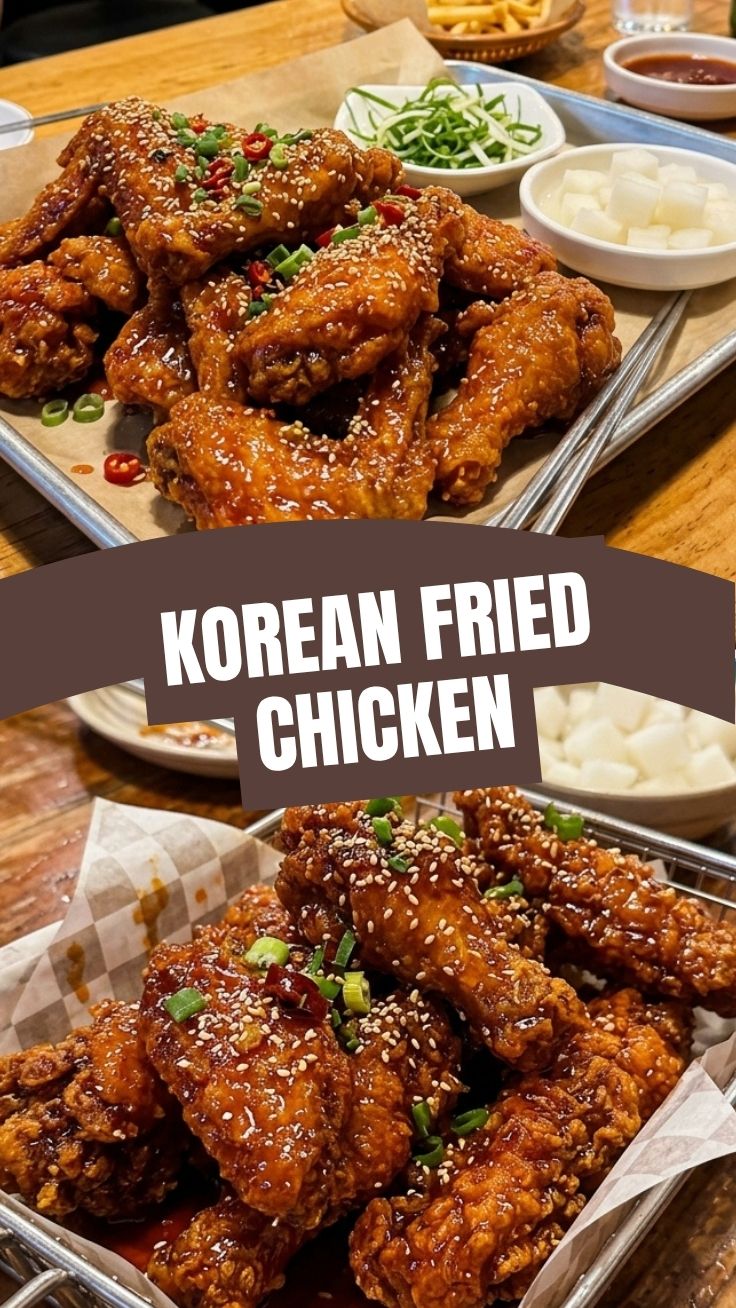
Is there anything more satisfying than biting into a piece of perfectly crispy, gloriously saucy Korean Fried Chicken? That signature crunch and explosion of sweet, savory, and spicy flavors have made it a global sensation. While often enjoyed in bustling restaurants, bringing this beloved dish into your own kitchen is not only a rewarding culinary adventure but also allows for complete control over ingredients and spice levels. Prepare to elevate your home cooking game as we dive into crafting the ultimate crispy Korean chicken, right from scratch.
Ingredients & Kitchen Tools
Gathering your mise en place is the first step to a successful fried chicken experience.
- For the Chicken:
* 2-3 lbs chicken wings or drumettes (about 12-15 pieces): Bone-in, skin-on is ideal for maximum flavor and crispiness.
* 1 cup all-purpose flour: For the initial dredge, creating a base for the batter.
* ¼ cup cornstarch: Essential for the signature extra crispiness.
* 1 tsp baking powder: Helps create a lighter, airier crust.
* ½ tsp salt: Enhances overall flavor.
* ½ tsp black pepper: Adds a subtle peppery kick.
* 1 large egg: Acts as a binder for the dry ingredients.
* ½ cup cold water: To create a light batter.
* 2-3 cups neutral oil (canola, peanut, or vegetable oil): For deep frying. Avoid olive oil due to its low smoke point.
- For the Spicy-Sweet Gochujang Sauce:
* ¼ cup gochujang (Korean chili paste): The heart of the sauce, providing its characteristic heat and umami.
* 2 tbsp soy sauce: For saltiness and depth.
* 2 tbsp rice vinegar: Adds tang and balances the sweetness.
* 2 tbsp honey or maple syrup: For sweetness and glaze.
* 1 tbsp brown sugar (optional): For extra sweetness and caramelization.
* 2-3 cloves garlic, minced: Aromatic foundation.
* 1 tsp fresh ginger, grated: Adds a zesty, warming note.
* 1 tbsp sesame oil: For a nutty aroma and flavor.
* 1 tbsp water or chicken broth: To thin the sauce to the desired consistency.
- Garnishes (Optional): Toasted sesame seeds, chopped green onions.
- Kitchen Tools:
* Large mixing bowls
* Whisk
* Deep-fry thermometer: Crucial for maintaining optimal oil temperature.
* Large, heavy-bottomed pot or Dutch oven: For safe deep frying.
* Wire rack set over a baking sheet: For draining excess oil and maintaining crispiness.
* Tongs: For handling chicken.
* Paper towels: For initial patting dry.
Prep Time & Cooking Schedule
- Prep Time: 20-25 minutes (includes patting dry chicken, mixing dry batter, and preparing sauce).
- Marinating Time (Optional but Recommended): 30 minutes to overnight (for extra flavor infusion, if using a light marinade).
- Cooking Time: 20-25 minutes (per batch, depending on chicken size and oil temperature).
- Resting Time: 5-10 minutes between frying stages.
Aim to start your prep about 1.5 to 2 hours before you plan to serve. The double-frying technique, while crucial for crispiness, requires some patience and careful timing.
Step-by-Step Instructions
1. Prepare the Chicken: Pat the chicken wings or drumettes thoroughly dry with paper towels. This is vital for crispy skin. If desired, marinate the chicken for at least 30 minutes with a pinch of salt and a dash of white pepper.
2. Make the Batter: In a large bowl, whisk together the flour, cornstarch, baking powder, salt, and black pepper. In a separate bowl, whisk the egg and cold water. Gradually add the wet mixture to the dry ingredients, whisking until just combined – a few lumps are okay. Do not overmix.
3. Dredge the Chicken: Dip each piece of thoroughly dried chicken into the batter, ensuring it’s evenly coated but not excessively thick. Shake off any excess.
4. First Fry: Heat the neutral oil in your heavy-bottomed pot to 325°F (160°C). Carefully add a few pieces of Korean Fried Chicken to the hot oil, ensuring not to overcrowd the pot. Fry for 6-8 minutes, until lightly golden and cooked through. Remove the chicken and place it on a wire rack to rest for at least 5-10 minutes. This allows the internal temperature to equalize and sets the first crust.
5. Prepare the Sauce: While the chicken rests, combine all sauce ingredients (gochujang, soy sauce, rice vinegar, honey/maple syrup, brown sugar, minced garlic, grated ginger, sesame oil, and water/broth) in a small saucepan. Bring to a gentle simmer over medium-low heat, stirring occasionally, until the sauce thickens slightly, about 3-5 minutes.
6. Second Fry: Increase the oil temperature to 375°F (190°C). Return the rested chicken to the hot oil for a second fry, about 2-4 minutes, until deeply golden brown and audibly crispy. This double-frying technique is essential for achieving that iconic kkori-kkori (extra crispy) texture in your Korean chicken.
7. Sauce and Serve: Carefully remove the crispy chicken from the oil and place it directly into the saucepan with the warm sauce. Toss gently to coat each piece evenly. Serve immediately, garnished with toasted sesame seeds and green onions, if desired.
Nutritional Benefits & Advantages
While Korean Fried Chicken is undeniably an indulgent treat, using chicken wings or drumettes provides a good source of lean protein. Making it at home allows you to control the quality of the oil and choose organic or free-range chicken. Gochujang itself, while spicy, can offer some beneficial capsaicin, which is known for its metabolism-boosting properties. The ginger and garlic contribute natural antioxidants and anti-inflammatory compounds.
Tips, Variations & Cooking Advice
- Spice Level: Adjust the amount of gochujang to your preference. For a milder sauce, reduce gochujang and increase honey. For extra heat, add a pinch of gochugaru (Korean chili powder).
- Gluten-Free: Substitute all-purpose flour with a gluten-free all-purpose blend. Ensure all sauce ingredients are also gluten-free.
- Air Fryer Option: While deep frying yields the best results for crispiness, you can approximate the dish in an air fryer. After coating, preheat your air fryer to 375°F (190°C) and cook the chicken in batches for 20-25 minutes, flipping halfway, until golden and cooked through. Toss in sauce as usual.
- Flavor Variations: Explore other Korean sauces like a soy-garlic sauce for a less spicy alternative.
- Don’t Overcrowd: Frying in batches is crucial to maintain oil temperature and ensure even cooking and crispiness.
Common Mistakes to Avoid
- Not Patting Chicken Dry: This is the number one enemy of crispy fried chicken. Excess moisture creates steam, inhibiting crispiness.
- Insufficient Oil Temperature: Oil that isn’t hot enough will result in greasy, soggy chicken. Too hot and the outside burns before the inside cooks. Use a thermometer!
- Skipping the Double Fry: The first fry cooks the chicken, the resting period allows moisture to escape from the skin, and the second fry achieves the unparalleled crispiness. Don’t skip it!
- Over-Saucing: Toss the chicken in the sauce just before serving to maintain maximum crispiness. Soaking it too long will make it soggy.
Storage & Meal Prep Tips
Leftover Korean Fried Chicken is best stored in an airtight container in the refrigerator for up to 3 days. To reheat and restore some crispiness, place the chicken on a wire rack set over a baking sheet and bake in a preheated oven at 375°F (190°C) for 10-15 minutes, or until heated through and crisp again. Avoid microwaving, as it will make the chicken soggy. While the chicken can be prepared ahead, the sauce should be tossed just before serving for optimal texture.
Conclusion
There you have it – the ultimate guide to making incredibly crispy and flavorful Korean Fried Chicken in your own home. With careful attention to detail, especially the double-frying technique and proper temperature control, you can achieve that addictive crunch and balanced sweet-spicy kick that defines this iconic dish. So, gather your ingredients, fire up your fryer, and prepare to impress your taste buds and loved ones with this truly irresistible Korean chicken. Don’t forget to share your culinary creations with us – we love seeing your homemade triumphs!
FAQs
Q1: Can I use boneless chicken for this recipe?
A1: Yes, boneless chicken thighs or even chicken breast cut into chunks can be used. Adjust frying times accordingly (typically shorter for boneless pieces). However, bone-in, skin-on chicken often yields the best flavor and texture.
Q2: What if I don’t have gochujang?
A2: While gochujang is crucial for the authentic flavor, you can substitute with Sriracha or another chili paste, but you’ll need to adjust sweetness and salt to compensate for the different flavor profiles. It won’t be quite the same, but still delicious.
Q3: How do I know the oil temperature without a thermometer?
A3: While a thermometer is highly recommended for accuracy, a common trick is to insert a wooden spoon handle into the oil. If tiny bubbles vigorously form around the wood, it’s ready. If it bubbles too intensely, it’s too hot; if barely, it’s not hot enough.
Q4: My chicken isn’t crispy enough, what went wrong?
A4: Most likely, the chicken wasn’t patted dry enough, the oil temperature was too low, or you skipped the crucial second fry. Ensure each step is followed carefully for maximum crispiness.
Q5: Can I make the sauce ahead of time?
A5: Yes, the gochujang sauce can be made a day or two in advance and stored in an airtight container in the refrigerator. Reheat gently before tossing with the freshly fried chicken.