Ditch the Store-Bought: Unlocking the Creamy Perfection of Homemade Hummus
Ever wondered if that store-bought dip truly captures the essence of authentic, vibrant Mediterranean flavors? If your taste buds are craving a fresh, wholesome, and truly customizable experience, then mastering the art of homemade Hummus (Homemade) is your next culinary adventure. Preparing this creamy delight at home isn’t just about saving a few dollars; it’s about unlocking unparalleled freshness, controlling ingredients, and tailoring every spoonful to your exact preferences. Forget artificial preservatives and bland textures; with this easy-to-follow Hummus Recipe, you’ll be creating a dip so good, it’ll become a staple in your kitchen. This comprehensive guide will walk you through every step, ensuring your homemade Hummus (Homemade) is a resounding success, offering both incredible taste and impressive nutritional benefits.
Ingredients & Kitchen Tools
Here’s everything you’ll need to create your perfect batch:
- 1 (15-ounce) can chickpeas (garbanzo beans): Rinsed thoroughly and drained; provides the creamy base. Reserve a few for garnish!
- 1/4 cup tahini: Toasted sesame seed paste; essential for authentic flavor and smooth texture.
- 2-4 tablespoons fresh lemon juice: Adds brightness and tang; adjust to your taste.
- 1-2 cloves garlic: Minced; provides pungent aroma and flavor.
- 1/2 teaspoon ground cumin: Earthy and warm spice; enhances complexity.
- 1/4 teaspoon salt: To taste; balances flavors.
- 2-4 tablespoons cold water or ice water: For achieving desired creaminess.
- Optional garnishes: Drizzle of extra virgin olive oil, paprika, chopped fresh parsley, or a sprinkle of za’atar.
Kitchen Tools:
- Food processor or high-speed blender: Crucial for achieving a super smooth and creamy consistency.
- Can opener: For the chickpeas.
- Measuring cups and spoons: For accurate ingredient quantities.
- Rubber spatula: For scraping down the sides of the food processor.
Prep Time & Cooking Schedule
This Hummus (Homemade) is a speedy delight, perfect for impromptu gatherings or quick meal prep.
- Prep Time: 10 minutes
- Cook Time: 0 minutes (if using canned chickpeas)
- Chilling Time: 30 minutes (optional, but recommended for flavors to meld)
For optimal flavor, aim to prepare your hummus at least 30 minutes before serving. This allows the ingredients to fully harmonize and gives you a more robust and nuanced taste.
Step-by-Step Instructions
Follow these simple steps for a lusciously creamy Hummus (Homemade):
1. Prepare the Chickpeas: Drain and rinse the canned chickpeas thoroughly under cold water. For an extra smooth consistency, you can optionally remove the skins from the chickpeas, though this is not strictly necessary. Pat them dry slightly with a paper towel.
2. Combine Ingredients: In the bowl of your food processor, combine the rinsed chickpeas, tahini, lemon juice, minced garlic, cumin, and salt.
3. Process Until Smooth: Pulse the food processor several times to break down the chickpeas. Then, with the motor running, gradually add 2 tablespoons of cold water (or ice water) through the feed tube. Continue processing, scraping down the sides of the bowl as needed, until the mixture is very smooth and creamy.
4. Adjust Consistency and Flavor: If the hummus is too thick, add more water, one tablespoon at a time, until you reach your desired consistency. Taste and adjust seasonings as needed, adding more lemon juice, salt, or cumin if desired. This is where you personalize your Hummus Recipe to perfection.
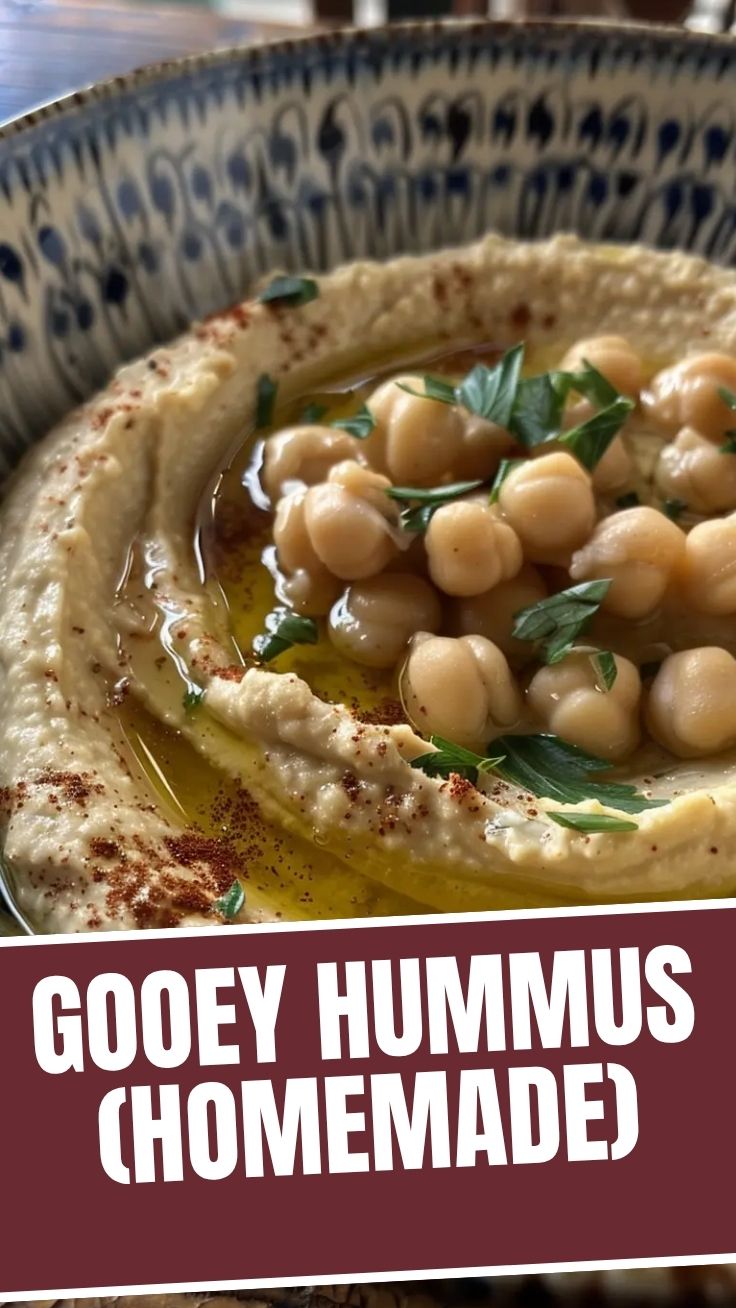
5. Serve and Garnish: Transfer the hummus to a serving bowl. Drizzle with a good quality extra virgin olive oil and sprinkle with paprika, fresh parsley, or a few reserved whole chickpeas for garnish. Serve immediately or chill for at least 30 minutes to allow flavors to deepen.
Nutritional Benefits & Advantages
Chickpeas, the star ingredient of hummus, are a powerhouse of nutrition. They are an excellent source of plant-based protein, making this an ideal dip for vegetarians and vegans. Rich in dietary fiber, hummus aids digestion and promotes a feeling of fullness, which can be beneficial for weight management. Furthermore, chickpeas provide essential minerals like iron, magnesium, and zinc, while tahini contributes healthy fats and calcium. The lemon juice adds a boost of Vitamin C. Incorporating homemade hummus into your diet is a delicious way to enjoy a nutrient-dense snack or accompaniment.
Tips, Variations & Cooking Advice
- Roasted Garlic Hummus: Roast a head of garlic until soft before adding to the food processor for a mellower, sweeter flavor.
- Spicy Hummus: Add a pinch of cayenne pepper, a dash of hot sauce, or a roasted jalapeño for a kick.
- Herbaceous Hummus: Incorporate fresh herbs like cilantro, mint, or basil for a fresh twist.
- Beet Hummus: Blend in roasted beets for a vibrant color and earthy sweetness.
- Texture Control: For an extra velvety texture, pass the finished hummus through a fine-mesh sieve.
- Homemade Tahini: If you’re feeling adventurous, make your own tahini by blending toasted sesame seeds with a little oil.
Common Mistakes to Avoid
- Not Rinsing Chickpeas: This can leave a tinny taste. Always rinse thoroughly.
- Not Enough Lemon Juice or Salt: Hummus needs brightness and proper seasoning to shine. Don’t be afraid to taste and adjust.
- Insufficient Processing: A grainy texture indicates you haven’t processed it long enough. Keep blending, adding water as needed, until it’s silky smooth.
- Omitting Tahini: While some recipes might skip it, true hummus flavor and texture rely heavily on tahini.
Storage & Meal Prep Tips
Store your homemade hummus in an airtight container in the refrigerator for up to 5-7 days. A thin layer of olive oil on top can help prevent it from drying out. This hummus freezes well too! Divide into smaller portions, freeze in airtight containers for up to 3 months, and thaw in the refrigerator overnight before serving. It’s perfect for meal prepping healthy snacks or adding to lunchboxes throughout the week.
Conclusion
There you have it – your comprehensive guide to creating the most delectable homemade Hummus (Homemade) you’ve ever tasted. This simple yet rewarding Hummus Recipe not only elevates your culinary skills but also brings a healthier, fresher option to your table. We encourage you to try this recipe, experiment with the variations, and share your creations! What’s your favorite way to enjoy homemade hummus? Let us know in the comments below!
FAQs
Q1: Can I use dried chickpeas instead of canned?
A1: Yes, you can! Soak dried chickpeas overnight, then boil them until very tender (about 1.5-2 hours). This can yield an even creamier result, but it adds significant prep time.
Q2: My hummus is bitter. What went wrong?
A2: Bitterness often comes from old or rancid tahini, or sometimes from too much garlic. Check your tahini’s expiration date and start with less garlic, adding more to taste.
Q3: How can I make my hummus extra fluffy?
A3: Using ice water during processing helps create a lighter, fluffier texture. Some chefs also recommend adding a tiny pinch of baking soda when boiling dried chickpeas for creamier results.
Q4: Can I make hummus without a food processor?
A4: While a food processor is ideal for smoothness, you can use a high-speed blender. Alternatively, for a rustic texture, you can mash the chickpeas by hand and then whisk in the other ingredients, though it won’t be as smooth.
Q5: What are some good serving suggestions for homemade hummus?
A5: Homemade hummus is incredibly versatile! Serve it with pita bread, vegetable sticks (carrots, cucumber, bell peppers), as a spread in sandwiches or wraps, or as a base for grain bowls and salads.