Savor the Summer: Your Ultimate Guide to Delicious and Nutritious High-Protein, Low-Calorie Summer Meals
Tired of heavy, calorie-laden meals that leave you feeling sluggish during the warmer months? Imagine a summer where every bite contributes to your health goals, keeps you energized, and tantalizes your taste buds. Preparing high protein low calorie summer meals at home is not just about saving money; it’s about taking control of your nutrition, customizing flavors to your liking, and enjoying the freshest seasonal produce. This guide will walk you through creating a culinary masterpiece that’s both satisfying and light, perfectly suited for those long, sunny days. Coupled with refreshing protein salads, you’ll be set for a season of healthy and delicious eating.
Ingredients & Kitchen Tools
Chicken Breast (2 lbs, boneless, skinless): Lean protein source, provides satiety and muscle repair. Substitution: Firm tofu or shrimp for a pescatarian or vegetarian option.*
Zucchini (2 medium): Low-calorie, high-fiber vegetable. Clarification: Choose firm, unblemished zucchini.*
Bell Peppers (2, various colors): Rich in vitamins and antioxidants. Clarification: Adds sweetness and vibrant color.*
Cherry Tomatoes (1 pint): Bursting with flavor and vitamin C. Clarification: Ripe and firm for best taste.*
Red Onion (1 small): Adds a mild, sharp flavor. Clarification: Can be substituted with shallots for a milder taste.*
Garlic (3 cloves): Aromatic base, adds depth of flavor. Clarification: Freshly minced is best.*
Olive Oil (2 tbsp): Healthy fat, aids in sautéing. Clarification: Extra virgin for a richer flavor.*
Lemon (1, juiced): Brightens flavors, adds a tangy note. Clarification: Freshly squeezed for optimal taste.*
Fresh Basil (1/4 cup, chopped): Aromatic herb, classic summer flavor. Clarification: Chiffonade for elegant presentation.*
Paprika (1 tsp): Adds a smoky, sweet spice. Clarification: Smoked paprika can be used for an extra layer of flavor.*
Dried Oregano (1 tsp): Earthy, herbaceous note. Clarification: Essential for Mediterranean-inspired dishes.*
- Salt & Black Pepper (to taste): Essential seasonings.
Quinoa (1 cup, dry): High-protein, gluten-free grain. Optional: Serve with brown rice or cauliflower rice for a lighter option.*
Kitchen Tools:
- Large Skillet or Wok: For sautéing and cooking all ingredients evenly.
- Cutting Board & Chef’s Knife: For precise chopping and slicing.
- Mixing Bowls: For marinating and tossing ingredients.
- Measuring Spoons & Cups: For accurate ingredient quantities.
- Meat Thermometer (optional): To ensure chicken is cooked to the safe internal temperature of 165°F (74°C).
Prep Time & Cooking Schedule
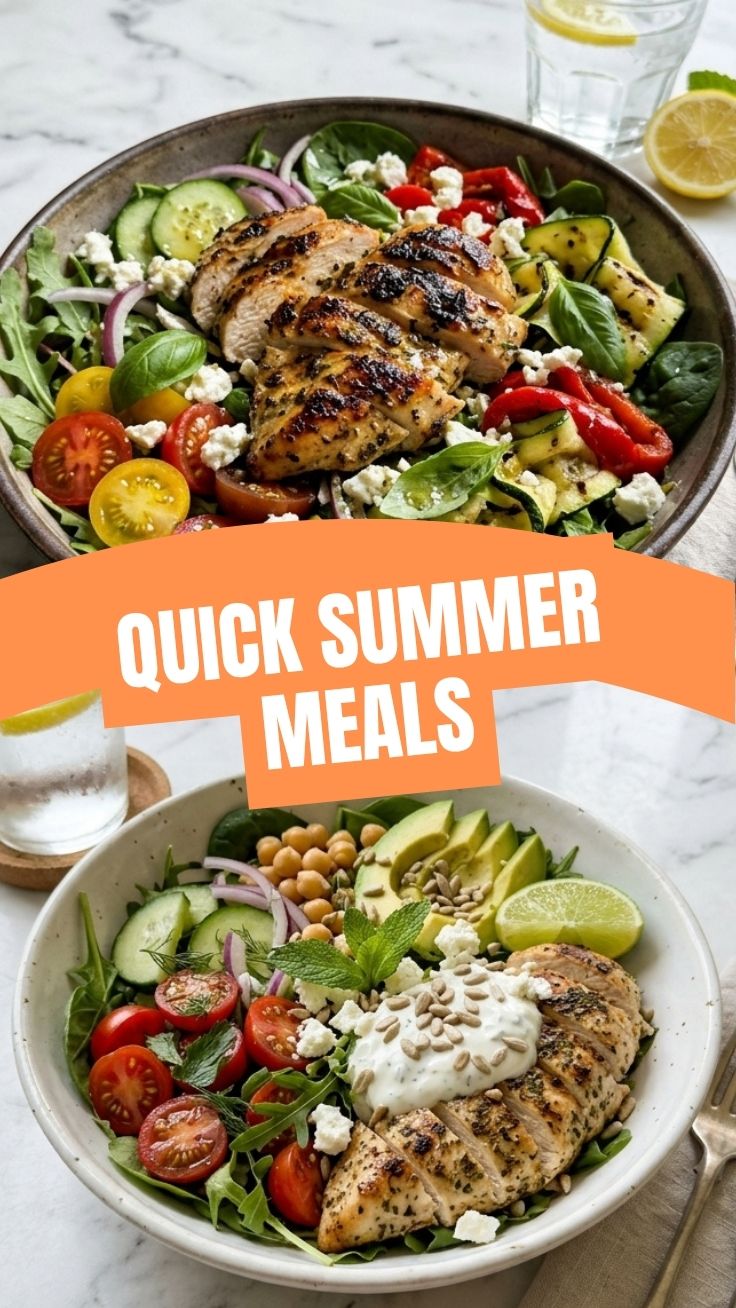
- Prep Time: 20 minutes
- Cook Time: 25-30 minutes
- Marinating Time (optional): 15-30 minutes for chicken to absorb flavors.
This recipe is designed for efficiency. While the chicken marinates, you can chop your vegetables and cook your quinoa, ensuring a seamless cooking process. This meal is perfect for a quick weeknight dinner or a relaxed weekend lunch, providing a burst of summer flavor in under an hour.
Step-by-Step Instructions
1. Prepare the Chicken: Cut chicken breast into 1-inch cubes. In a bowl, toss the chicken with 1 tbsp olive oil, paprika, oregano, salt, and pepper. Let it marinate for at least 15 minutes while you prepare other ingredients.
2. Chop Vegetables: Dice the zucchini, bell peppers, and red onion into uniform, bite-sized pieces. Halve the cherry tomatoes. Mince the garlic.
3. Cook Quinoa (if using): Follow package directions. Typically, combine 1 cup quinoa with 2 cups water (or broth for more flavor) in a saucepan. Bring to a boil, then reduce heat to low, cover, and simmer for 15 minutes, or until all water is absorbed. Fluff with a fork.
4. Sauté Chicken: Heat 1 tbsp olive oil in a large skillet over medium-high heat. Add the marinated chicken and cook for 5-7 minutes, stirring occasionally, until browned and cooked through. Remove chicken from the skillet and set aside.
5. Cook Vegetables: In the same skillet, add the diced red onion and sauté for 2-3 minutes until softened. Add the bell peppers and zucchini, and cook for another 5-7 minutes until tender-crisp. Stir in the minced garlic and cherry tomatoes, cooking for an additional 2-3 minutes until tomatoes begin to soften.
6. Combine and Finish: Return the cooked chicken to the skillet with the vegetables. Squeeze in the fresh lemon juice and stir in the fresh basil. Toss everything together, ensuring all ingredients are well combined and heated through. This effortless dish beautifully embodies the concept of creating high protein low calorie summer meals.
7. Serve: Serve immediately over a bed of quinoa or as a standalone meal. Don’t forget that this forms an excellent base for refreshing protein salads!
Nutritional Benefits & Advantages
This recipe is a powerhouse of nutrition. Chicken provides lean protein crucial for muscle maintenance and satiety, while the abundance of fresh vegetables offers a spectrum of vitamins, minerals, and dietary fiber. Fiber promotes digestive health and helps you feel full, preventing overeating. The olive oil contributes healthy monounsaturated fats, and lemon juice boosts vitamin C intake. This meal is naturally low in calories and rich in essential nutrients, making it ideal for weight management and overall well-being.
Tips, Variations & Cooking Advice
- Spice It Up: Add a pinch of red pepper flakes for a kick.
- Herb Variations: Experiment with fresh oregano, thyme, or parsley instead of basil.
- Vegetable Swaps: Broccoli florets, asparagus, or green beans can be excellent additions or substitutions.
- Protein Alternatives: Shrimp, firm tofu, or chickpeas can be used for different dietary needs.
- Dairy-Free Creaminess: Stir in a tablespoon of dairy-free yogurt or coconut cream at the end for a richer sauce.
- Grilling Option: For an even more summery flavor, grill the chicken and vegetables separately before combining them.
Common Mistakes to Avoid
- Overcrowding the Skillet: This leads to steaming instead of browning, resulting in limp vegetables and less flavorful chicken. Cook in batches if necessary.
- Overcooking Chicken: Dry, tough chicken is unappetizing. Cook until just done (internal temperature of 165°F/74°C).
- Under-Seasoning: Taste as you go! Adjust salt and pepper as needed to enhance the natural flavors of the ingredients.
- Using Stale Herbs: Fresh herbs make a significant difference in taste. Avoid dried, old herbs.
Storage & Meal Prep Tips
Leftovers can be stored in an airtight container in the refrigerator for 3-4 days. This dish reheats beautifully in a microwave or a skillet over medium heat. To maintain texture, avoid over-reheating. This recipe is excellent for meal prepping; simply portion out the cooked chicken and vegetables with quinoa into individual containers for quick and healthy lunches throughout the week.
Conclusion
Embracing high protein low calorie summer meals like this one is a delicious way to nourish your body and energize your summer. This isn’t just a recipe; it’s a template for healthier eating, offering flexibility, great taste, and incredible nutritional benefits. So, gather your fresh ingredients, fire up your skillet, and prepare to delight your senses with a meal that’s as vibrant as the season itself. Remember, these elements also form a fantastic base for refreshing protein salads, offering endless possibilities for healthy, delicious eating. We encourage you to try this recipe, share your creations, and let us know your favorite variations in the comments below!
FAQs
Q1: Can I make this recipe vegetarian?
A1: Yes! Simply substitute the chicken with firm tofu, tempeh, or a can of drained and rinsed chickpeas. Adjust cooking times as needed.
Q2: What if I don’t have fresh basil?
A2: While fresh basil offers the best flavor, you can substitute with 1 teaspoon of dried basil, adding it with the paprika and oregano.
Q3: How can I add more heat to the dish?
A3: Incorporate chopped jalapeño or serrano peppers with the red onion, or add a dash of your favorite hot sauce at the end.
Q4: Can I prepare this meal in advance?
A4: Absolutely! It’s perfect for meal prepping. Store the cooked chicken and vegetables separately from the quinoa if you prefer to keep the textures distinct, then combine and reheat.
Q5: What are some other low-calorie grains I can use?
A5: Besides quinoa, you can use brown rice, couscous (whole wheat for more fiber), or cauliflower rice for an even lower-carb option.