Embrace the Warmth: Your Guide to Nourishing Winter Soups
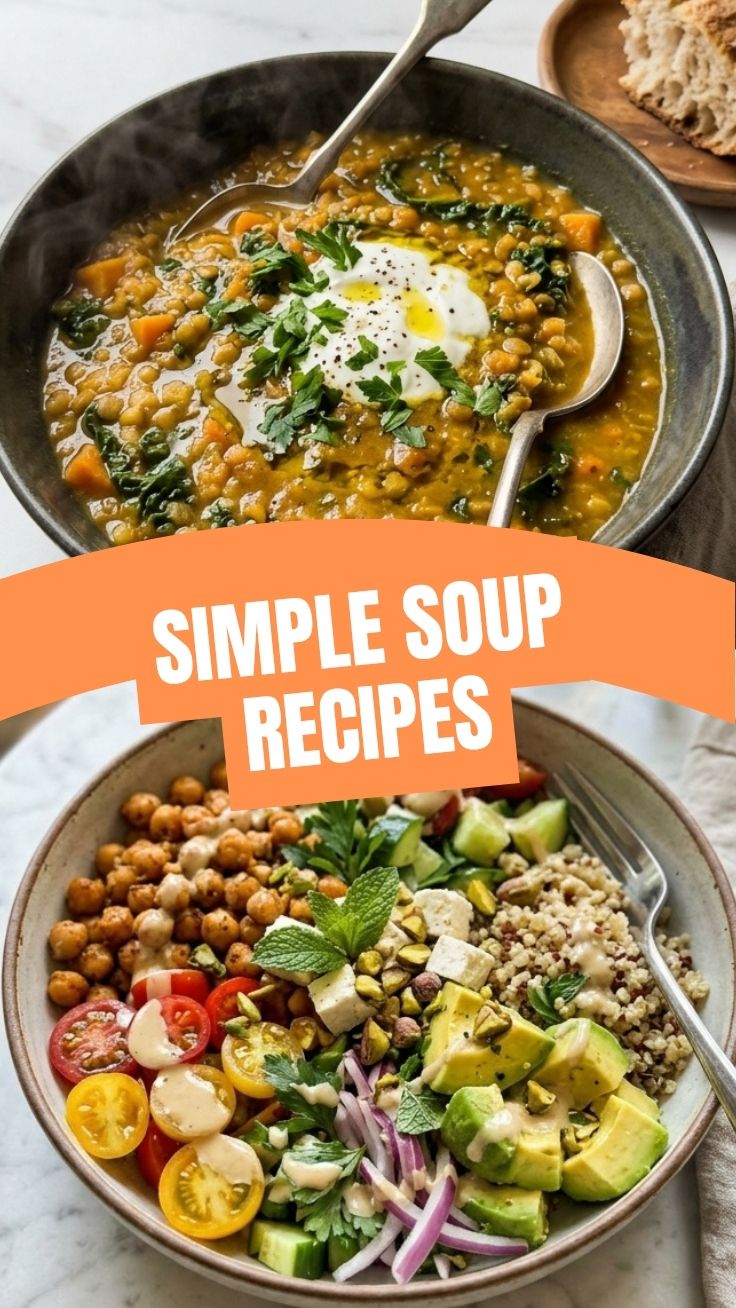
As the days shorten and a crisp chill fills the air, what could be more comforting than a steaming bowl of homemade soup? Beyond just warmth, preparing your own healthy winter soup recipes at home offers a canvas for culinary creativity, a boost of essential nutrients, and a truly satisfying experience. This season, let’s explore how effortlessly you can create delicious and wholesome meals, including delightful easy slow cooker winter soups, right in your own kitchen. Ditch the pre-packaged options and dive into the world of fresh, vibrant flavors that will nourish your body and soul.
Ingredients & Kitchen Tools
Crafting the perfect winter soup begins with quality ingredients and the right tools. Here’s what you’ll need:
- Lean Protein (e.g., chicken breast, white beans, lentils): For a hearty, satisfying base. Chicken can be shredded, beans rinsed.
- Root Vegetables (e.g., carrots, parsnips, sweet potatoes): Adds sweetness, depth, and essential vitamins. Peel and chop into uniform pieces.
- Leafy Greens (e.g., kale, spinach, collard greens): Introduces a vibrant burst of nutrients. Wash thoroughly and chop.
- Aromatics (e.g., onions, garlic, ginger): The flavorful foundation of any good soup. Mince or finely chop.
- Broth (chicken, vegetable, or beef): The liquid base, choose low-sodium options.
- Herbs & Spices (e.g., thyme, bay leaves, rosemary, smoked paprika): Elevates flavor complexity. Fresh or dried work well.
- Optional: Whole Grains (e.g., quinoa, barley, pastato): For extra fiber and fullness. Cook separately or add directly to the pot.
- Optional: Creamy Element (e.g., coconut milk, Greek yogurt, cashews): For a rich, velvety texture. Blend cashews with water for a dairy-free option.
Kitchen Tools:
- Large Stockpot or Dutch Oven: Essential for simmering soups evenly.
- Cutting Board & Sharp Knife: For efficient and safe ingredient preparation.
- Measuring Cups & Spoons: Ensures accurate ingredient ratios.
- Ladle: For serving.
- Immersion Blender (Optional): For puréeing if desired.
- Slow Cooker (Crock-Pot): Ideal for easy slow cooker winter soups.
Prep Time & Cooking Schedule
- Prep Time: 20-30 minutes (depending on chopping skills and ingredient complexity).
- Cook Time (Stovetop): 45-60 minutes, or until vegetables are tender and flavors have melded.
- Cook Time (Slow Cooker): 4-6 hours on high, or 8-10 hours on low. The slow cooker method is particularly forgiving and allows flavors to deepen over time, making it perfect for easy slow cooker winter soups.
- Resting Time: 5-10 minutes before serving allows the flavors to settle and intensifies the aroma.
Plan your cooking around key mealtimes. For example, if using a slow cooker, you can start it in the morning for a ready-to-eat dinner. Stovetop versions are great for a quicker weeknight meal.
Step-by-Step Instructions
1. Sauté Aromatics: In your stockpot or slow cooker (if it has a sauté function), heat a tablespoon of olive oil over medium heat. Add chopped onions, garlic, and ginger. Sauté until fragrant and softened, about 5-7 minutes. This step is crucial for building a strong flavor base for your healthy winter soup recipes.
2. Add Protein and Vegetables: If using raw chicken, add it now and brown slightly. Incorporate your root vegetables (carrots, parsnips, sweet potatoes) and stir for a few minutes. If using a slow cooker, transfer sautéed aromatics and protein to the crock.
3. Pour in Broth and Seasonings: Pour in your chosen broth, ensuring all ingredients are submerged. Add your herbs and spices (thyme, bay leaves, rosemary, etc.). Bring to a gentle simmer on the stovetop. If using a slow cooker, set it to your desired temperature (high or low).
4. Simmer to Perfection: Reduce heat to low, cover, and let simmer for 30-40 minutes on the stovetop, or for the specified time in your slow cooker. The goal is to tenderize the vegetables and allow the flavors to deepen.
5. Add Leafy Greens and Optional Ingredients: In the last 10-15 minutes of cooking (or 30 minutes for slow cooker), stir in your leafy greens (kale, spinach). If using cooked whole grains or a creamy element, add them now and continue to heat through.
6. Adjust Seasoning: Taste and adjust salt, pepper, and any other seasonings as needed. Remove bay leaves and any large woody herbs before serving. Remember, homemade easy slow cooker winter soups are all about balancing flavors perfectly.
Nutritional Benefits & Advantages
These hearty winter soups are nutritional powerhouses. They are typically rich in vitamins, minerals, and fiber from the abundance of vegetables, promoting gut health and providing sustained energy. Lean proteins contribute to muscle repair and satiety, helping you feel fuller for longer. Furthermore, the warm liquids aid in hydration, which is especially important during colder months. The low-calorie, nutrient-dense nature of healthy winter soup recipes makes them an excellent choice for managing weight and boosting overall well-being.
Tips, Variations & Cooking Advice
- Flavor Boosters: A squeeze of lemon juice or a dash of apple cider vinegar at the end brightens the flavor profile.
- Thickening: For a thicker soup, you can purée a portion of the soup, or whisk a tablespoon of cornstarch with a little cold water and stir it in during the last 10 minutes of cooking.
- Spice It Up: Add a pinch of red pepper flakes or a few slices of fresh jalapeño for a spicy kick.
- Vegetarian/Vegan: Easily adapt by using vegetable broth, plant-based protein (lentils, chickpeas, tofu), and ensuring any creamy elements are dairy-free.
- Grain-Free: Omit the whole grains or replace them with more vegetables.
- Freezing: Most winter soups freeze exceptionally well. Allow to cool completely before transferring to freezer-safe containers.
Common Mistakes to Avoid
- Overcooking Vegetables: This can make them mushy and leach out nutrients. Add delicate greens towards the end of cooking.
- Undersalting: Taste as you go! Broths often need additional seasoning.
- Adding Dairy Too Soon: Dairy products can curdle if added at a high simmer for too long. Stir them in at the end or temper them before adding.
- Crowding the Pot (Slow Cooker): Overfilling your slow cooker can lead to uneven cooking and can compromise flavor.
- Neglecting Aromatics: Properly sautéing onions, garlic, and ginger lays the crucial flavor groundwork. Don’t rush this step.
Storage & Meal Prep Tips
Leftover soup is a meal prep dream! Allow the soup to cool completely before transferring to airtight containers. It will last safely in the refrigerator for 3-4 days. For longer storage, freeze in individual portions for up to 3 months. When reheating, gently warm on the stovetop or in the microwave, adding a splash of broth or water if needed to adjust consistency. Storing without delicate herbs and adding them fresh upon reheating can maintain vibrant flavors.
Conclusion
Embracing the rich, hearty flavors of homemade soup is a wonderful way to nourish yourself and your loved ones through the colder months. Whether you’re simmering a batch of delightful healthy winter soup recipes on the stovetop or letting your slow cooker work its magic to create easy slow cooker winter soups, the result is a comforting and nutritious meal that warms from the inside out. Experiment with different ingredients, adjust seasonings to your preference, and enjoy the wholesome goodness that only a homemade bowl can provide. We encourage you to try this recipe, share your delicious creations, and explore more culinary adventures with us!
FAQs
1. Can I use frozen vegetables in this soup?
Yes, absolutely! Frozen vegetables work wonderfully and can even save on prep time. Add them directly to the pot without thawing.
2. How can I make this soup creamier without dairy?
You can purée a portion of the soup with an immersion blender, or blend soaked cashews with a bit of water to create a dairy-free cream that can be stirred in at the end.
3. What’s the best way to add pasta to soup so it doesn’t get mushy?
Cook pasta separately to al dente, then add it to individual serving bowls. This prevents it from absorbing too much liquid and becoming overcooked if you have leftovers.
4. Can I make this soup ahead of time for a party?
Indeed! Soups often taste even better the next day as the flavors have more time to meld. Prepare it a day in advance, refrigerate, and gently reheat before serving.
5. My soup is a little bland; what can I do?
Taste and adjust seasoning! A pinch more salt, a grind of black pepper, a dash of your favorite herb, or a squeeze of lemon juice can often brighten up the flavors significantly.