Savor the Season: Your Guide to Wholesome Autumn Dinners
Are you ready to transform your autumn evenings with meals that are as nourishing as they are delicious? There’s something undeniably comforting about a home-cooked meal, especially when the leaves are turning and the air gets crisp. Far beyond just satisfying hunger, preparing food in your own kitchen allows for complete control over ingredients, ensuring freshness and nutritional integrity. Today, we’re diving into a collection of healthy fall dinner recipes that perfectly balance robust seasonal flavors with mindful eating. These are not just meals; they’re experiences, designed to warm you from the inside out and contribute to a vibrant lifestyle. Forget bland, restrictive diets; we’re embracing wholesome ingredients that make for truly satisfying and low calorie autumn recipes. Let’s get cooking!
Ingredients & Kitchen Tools
Crafting the perfect fall dinner requires a thoughtful selection of ingredients and the right culinary arsenal.
- 1 medium butternut squash (about 2 lbs): Peeled, deseeded, and cut into 1-inch cubes. Offers a sweet, nutty base rich in vitamins A and C.
- 2 large apples (e.g., Honeycrisp, Gala): Cored and cut into 1-inch cubes. Adds a touch of sweetness and acidity; use firm varieties.
- 1 red onion: Roughly chopped. Provides a pungent, sweet flavor when roasted.
- 2 tablespoons olive oil: For roasting vegetables and enhancing flavor. Extra virgin is preferred.
- 2 cloves garlic: Minced. Aromatic element, vital for depth of flavor.
- 1 teaspoon dried sage: Classic fall herb, earthy and slightly peppery.
- ½ teaspoon dried thyme: Another quintessential autumn herb, subtly floral.
- ¼ teaspoon ground cinnamon: A warm, sweet spice that elevates fall flavors.
- Salt and freshly ground black pepper: To taste, essential seasoning.
- 4 boneless, skinless chicken breasts (6 oz each): High-protein, lean option. Could also use chicken thighs for more fat.
- ½ cup chicken broth or vegetable broth: To add moisture and create a light sauce.
- 2 tablespoons apple cider vinegar: Brightens the dish with a tangy kick.
- 2 tablespoons fresh parsley: Chopped, for garnish and a touch of freshness.
Kitchen Tools:
- Large baking sheet (18×13 inches): Essential for roasting vegetables evenly.
- Parchment paper: Prevents sticking and makes cleanup a breeze.
- Large mixing bowl: For tossing vegetables and seasonings.
- Sharp chef’s knife: For efficient and safe chopping of squash and other ingredients.
- Cutting board: To protect your countertops.
- Measuring spoons and cups: For accurate ingredient quantities.
- Meat thermometer (optional but recommended): To ensure chicken is cooked to 165°F (74°C).
Prep Time & Cooking Schedule
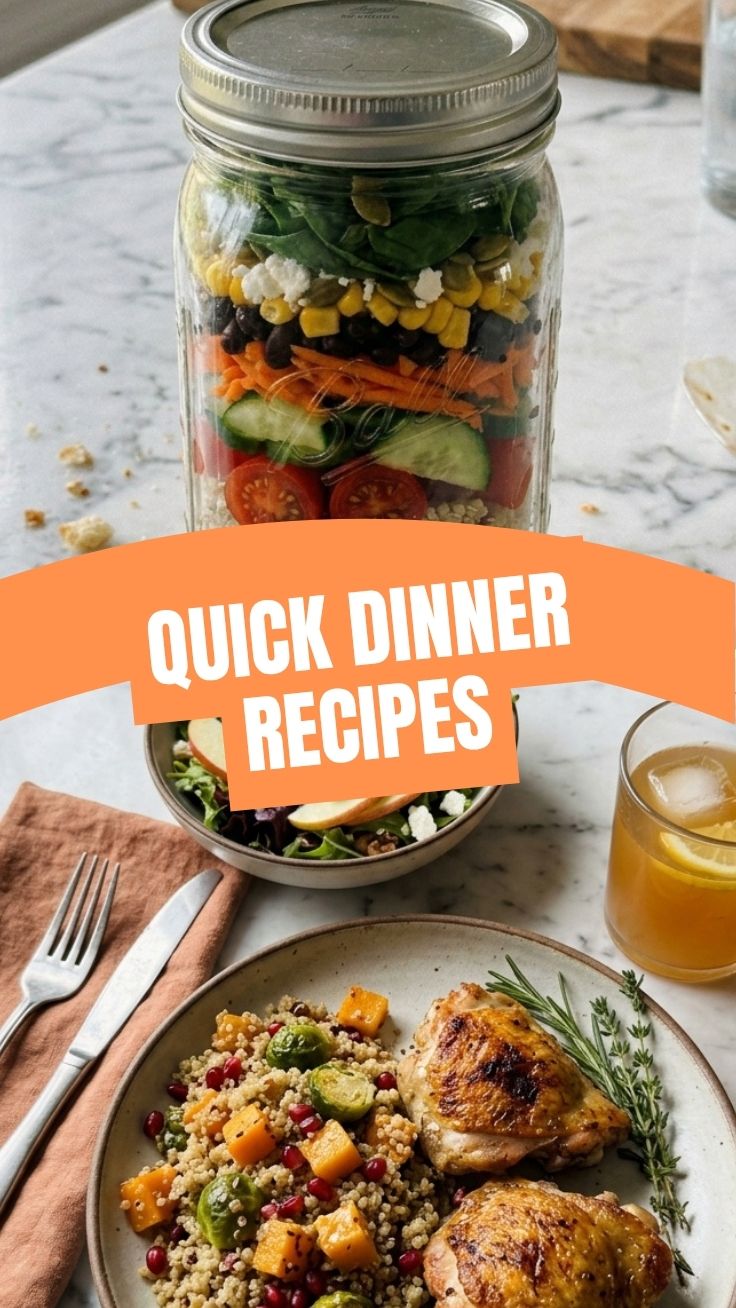
This recipe is designed for ease and efficiency, making it perfect for busy weeknights.
- Prep time: 20 minutes (includes peeling and chopping squash, apples, and onion).
- Cook time: 30-35 minutes
- Resting time: 5 minutes (for chicken)
Schedule: Preheat your oven while you chop. Toss the vegetables and chicken, then bake. While the chicken rests, you can quickly make a simple pan sauce if desired. This allows for a total from-scratch meal on the table in under an hour.
Step-by-Step Instructions
Embark on a culinary journey to create a dish that embodies the essence of autumn.
1. Preheat and Prep: Preheat your oven to 400°F (200°C). Line a large baking sheet with parchment paper. This ensures easy cleanup and prevents stubborn sticking.
2. Roast the Vegetables: In a large mixing bowl, combine the cubed butternut squash, apples, red onion, olive oil, minced garlic, dried sage, dried thyme, cinnamon, salt, and pepper. Toss well until everything is evenly coated. Spread the mixture in a single layer on the prepared baking sheet. Roast for 15 minutes. This initial roast gives the harder vegetables a head start.
3. Add the Chicken: While the vegetables are roasting, pat the chicken breasts dry with paper towels. Season both sides with salt and pepper. After 15 minutes, remove the baking sheet from the oven. Push the roasted vegetables to one side, creating space for the chicken. Place the seasoned chicken breasts directly on the baking sheet, ensuring they are not overlapping.
4. Continue Roasting: Return the baking sheet to the oven and roast for another 15-20 minutes, or until the chicken is cooked through (internal temperature of 165°F / 74°C) and the vegetables are tender and slightly caramelized. The goal here is a harmonious bake that brings out the best in both components.
5. Develop the Pan Sauce (Optional): While the chicken rests on a cutting board, carefully pour the chicken broth and apple cider vinegar onto the baking sheet. Use a spatula to scrape up any browned bits (fond) from the bottom of the pan. This creates a flavorful, light sauce. Transfer this liquid to a small saucepan if you prefer to reduce it slightly over medium heat for a few minutes.
6. Serve: Slice the chicken breasts and arrange them alongside the roasted butternut squash and apple mixture. Drizzle with the pan sauce and garnish with fresh chopped parsley. This method ensures that your healthy fall dinner recipes are not only nourishing but also bursting with flavor. These low calorie autumn recipes prove that eating well can be incredibly satisfying.
Nutritional Benefits & Advantages
This dish is a powerhouse of nutrition, perfectly aligning with a healthy lifestyle. Butternut squash is an excellent source of beta-carotene, which converts to Vitamin A and supports vision, skin, and immune function. Apples provide dietary fiber, essential for digestive health, and antioxidants. Chicken breast is a lean protein source crucial for muscle repair and satiety. The use of olive oil contributes healthy monounsaturated fats. This combination not only fills you up but also provides a wide array of vitamins, minerals, and antioxidants, all while keeping calorie counts in check thanks to smart ingredient choices and preparation methods.
Tips, Variations & Cooking Advice
- Spice it up: Add a pinch of red pepper flakes for a subtle heat.
- Herb Swap: Rosemary or marjoram can be used instead of sage and thyme for a different aromatic profile.
- Vegetable Medley: Incorporate Brussels sprouts, parsnips, or sweet potatoes for additional texture and flavor. Adjust cooking times as needed for denser vegetables.
- Protein Alternatives: Pork tenderloin or sturdy white fish (like cod or halibut) can replace chicken. Adjust baking time accordingly.
- Vegan Option: Omit chicken and add chickpeas or cannellini beans during the last 15 minutes of roasting for a satisfying plant-based meal. Increase sage and thyme slightly.
- Tangy Twist: A squeeze of fresh lemon juice over the finished dish can brighten all the flavors.
- Make it a Grain Bowl: Serve the chicken and roasted vegetables over quinoa, farro, or brown rice for a more substantial meal.
Common Mistakes to Avoid
- Overcrowding the Pan: Spreading vegetables and chicken too densely on the baking sheet will steam them instead of roasting, leading to a less appealing texture. Use two baking sheets if necessary.
- Under-seasoning: Don’t be shy with salt and pepper! Roasting can mute flavors, so ensure adequate seasoning at the start.
- Overcooking Chicken: Dry, tough chicken is a common culprit. Use a meat thermometer to ensure it reaches 165°F (74°C) and no more. Remove it from heat immediately when done.
- Uneven Vegetable Chops: Different sized pieces will cook at different rates. Aim for uniform cuts for consistent tenderness.
- Forgetting to Pat Chicken Dry: Moisture on the surface of the chicken prevents proper browning. Always pat it dry for a better sear and crispier exterior.
Storage & Meal Prep Tips
This recipe is fantastic for meal prepping!
- Storage: Store leftover roasted chicken and vegetables in an airtight container in the refrigerator for up to 3-4 days.
- Reheating: Reheat in the microwave for a quick meal, or for best results, warm gently in an oven or toaster oven at 300°F (150°C) until heated through, which helps maintain texture and prevents the chicken from drying out. Avoid high heat when reheating protein.
- Freezing: While the roasted vegetables can be frozen, they might become slightly softer upon thawing. The chicken freezes well. Store them separately in airtight freezer-safe containers for up to 2-3 months. Thaw in the refrigerator overnight before reheating.
Conclusion
Embrace the comforting flavors of autumn with this simple yet sophisticated dish. By following these easy steps, you can create delicious healthy fall dinner recipes that nourish both body and soul. This recipe proves that mindful eating doesn’t have to sacrifice flavor, offering a perfect blend of robust seasonal ingredients and smart culinary techniques to deliver delightful low calorie autumn recipes. Give it a try, and let us know your favorite fall ingredient combination in the comments below! What culinary creations are you whipping up this crisp season?
FAQs
Q1: Can I use pre-cut butternut squash to save time?
A1: Absolutely! Pre-cut butternut squash is a great time-saver. Just ensure it’s in similar-sized pieces for even cooking.
Q2: What if I don’t have apple cider vinegar for the pan sauce?
A2: You can substitute with white wine vinegar or simply use extra chicken broth. A squeeze of fresh lemon juice at the end can also add a similar bright acidity.
Q3: How can I make this dish spicier?
A3: Add a pinch or two of red pepper flakes to the vegetable mixture before roasting, or incorporate a dash of cayenne pepper for a more intense heat.
Q4: Can I prepare this recipe ahead of time?
A4: You can chop all the vegetables and chicken the day before and store them separately in the refrigerator. Toss and roast right before serving for the best results.
Q5: Is it possible to make this recipe in an air fryer?
A5: Yes! You might need to cook in batches to avoid overcrowding. Air fry at 375°F (190°C) for about 20-25 minutes, flipping half way, or until chicken is cooked and vegetables are tender. Adjust timing based on your air fryer model.