Sip the Summer: Your Ultimate Guide to Crafting the Perfect Homemade Gazpacho
Are you ready to Gazpacho (Classic) to beat the heat this summer? There’s nothing quite like a refreshing, vibrant, and utterly delicious chilled soup to invigorate your senses. While store-bought versions offer convenience, preparing this iconic Spanish recipe at home allows for unparalleled freshness, customizable flavors, and an incredible sense of culinary achievement. Imagine biting into a spoonful of perfectly balanced tomatoes, crisp cucumbers, and fragrant peppers, all harmoniously blended and chilled to perfection. This blog post will guide you through every step, ensuring your homemade gazpacho is nothing short of spectacular. This isn’t just about making soup; it’s about embracing a culinary tradition and bringing a taste of Spain right to your kitchen.
Ingredients & Kitchen Tools
Crafting the perfect gazpacho requires a few simple yet essential ingredients and tools. Here’s what you’ll need:
- Ripe Tomatoes (2 lbs, e.g., Roma or beefsteak): The star of the show. Choose very ripe for maximum sweetness and deep color.
- Cucumber (1 large, peeled and roughly chopped): Adds a refreshing crunch and cooling element.
- Green Bell Pepper (1 medium, deseeded and roughly chopped): Contributes a subtle sweetness and vibrant color.
- Red Onion (1/2 small, roughly chopped): Provides a gentle bite and aromatic depth.
- Garlic Cloves (2-3, peeled): Essential for that classic savory punch. Adjust to your preference.
- Extra Virgin Olive Oil (1/4 cup + more for garnish): High-quality oil is crucial for flavor and emulsification.
- Red Wine Vinegar (2-3 tablespoons): Balances the sweetness of the tomatoes with a tangy kick.
- Day-old Bread (1 slice, crusts removed, soaked in water): Acts as a natural thickener and provides body without heaviness.
- Cold Water (1/2 – 1 cup, or tomato juice for extra flavor): Adjusts consistency to your liking.
- Salt (to taste): Essential for enhancing all the flavors.
- Black Pepper (freshly ground, to taste): Adds a touch of warmth and spice.
Kitchen Tools:
- High-Speed Blender: Crucial for achieving a silky-smooth consistency.
- Large Mixing Bowl: For combining ingredients before blending.
- Fine-Mesh Sieve (optional): For an extra-smooth, pulp-free gazpacho.
- Sharp Knife & Cutting Board: For effortless vegetable preparation.
- Measuring Cups and Spoons: For accurate ingredient ratios.
Prep Time & Cooking Schedule
One of the beauties of gazpacho is its minimal “cooking” time. It’s all about thoughtful preparation and patient chilling.
- Prep Time: 20-25 minutes (for chopping and initial blending)
- Blending Time: 5-7 minutes
- Chilling Time: Minimum 2 hours, ideally 4 hours or overnight. This resting time is crucial for the flavors to meld and deepen, transforming individual ingredients into a harmonious whole. Don’t rush this step!
Step-by-Step Instructions
Let’s dive into crafting your perfect Gazpacho (Classic). Follow these steps carefully for the best results, ensuring every sip transports you to a sunny Spanish patio.
1. Prepare the Vegetables: Roughly chop all your tomatoes, cucumber, green bell pepper, red onion, and garlic. The size doesn’t need to be precise as they will all be blended.
2. Soak the Bread: In a small bowl, soak the slice of day-old bread in a little cold water until soft. Squeeze out any excess water before adding it to the blender. This bread is a secret to traditional gazpacho’s velvety texture.
3. Initial Blend: In your high-speed blender, combine the chopped tomatoes, cucumber, green bell pepper, red onion, garlic, soaked bread, extra virgin olive oil, and red wine vinegar.
4. Blend Until Smooth: Start blending on low, gradually increasing to high, until the mixture is completely smooth and creamy. This may take 3-5 minutes, depending on your blender. Scrape down the sides as needed to ensure everything is incorporated.
5. Adjust Consistency and Seasoning: Gradually add cold water (or tomato juice) to achieve your desired consistency. Some prefer a thicker gazpacho, while others like it thinner. Season generously with salt and freshly ground black pepper. Taste and adjust. Remember, flavors will mellow slightly when chilled. For a truly authentic Spanish recipe, don’t be afraid to season boldly.
6. Strain (Optional, for extra smoothness): For an exceptionally smooth, professional-grade gazpacho, pass the mixture through a fine-mesh sieve, pressing down on the solids with a spoon to extract all the liquid. Discard the pulp. This step removes seeds and skin fragments.
7. Chill Thoroughly: Transfer the gazpacho to an airtight container or a serving pitcher. Refrigerate for at least 2 hours, but preferably 4 hours or overnight. The colder it is, the better it tastes.
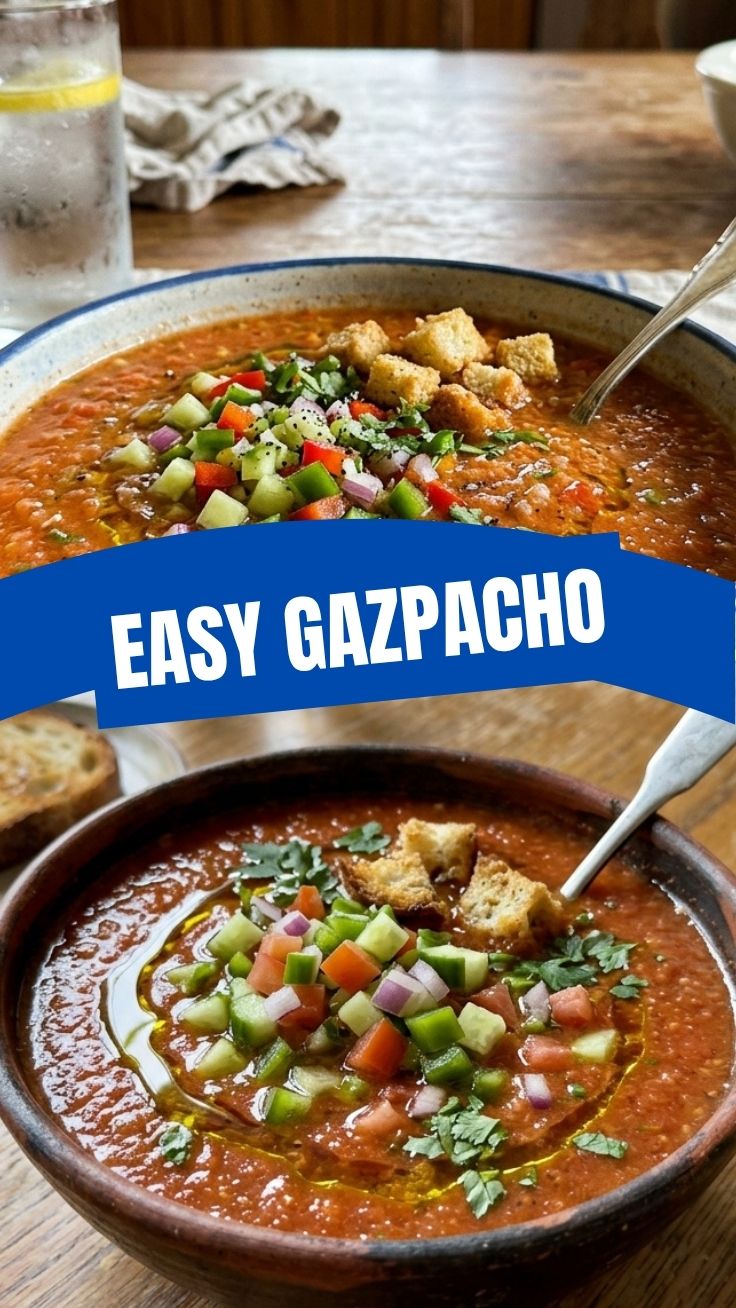
8. Serve: Ladle into bowls and garnish with a drizzle of good quality extra virgin olive oil, finely diced cucumber, bell pepper, or even a few croutons. Enjoy!
Nutritional Benefits & Advantages
Gazpacho is not just delicious; it’s a powerhouse of nutrients!
- Rich in Antioxidants: Tomatoes, the primary ingredient, are packed with lycopene, a potent antioxidant known for its heart-protective and anti-cancer properties.
- Excellent Source of Vitamins: Loaded with Vitamin C from bell peppers and tomatoes, and Vitamin A from tomatoes, supporting immune health and vision.
- Hydrating: With its high water content from vegetables, gazpacho is incredibly hydrating, especially welcome on hot days.
- Low in Calories: It’s a light and refreshing option perfect for those watching their calorie intake, without sacrificing flavor or satisfaction.
- Fiber-Rich: The inclusion of natural vegetables provides dietary fiber, aiding digestion and promoting gut health.
- Heart-Healthy Fats: Extra virgin olive oil contributes monounsaturated fats, beneficial for cardiovascular health.
Tips, Variations & Cooking Advice
- Flavor Boosters: A pinch of smoked paprika can add a delicious depth. For a spicier kick, add a small piece of jalapeño or a dash of hot sauce to the blender.
- Ingredient Swaps:
* Cucumber: Can be replaced with zucchini for a slightly different texture.
* Bell Pepper: Use yellow or orange bell peppers for a sweeter, milder flavor.
* Bread: For gluten-free, omit the bread or use a gluten-free bread substitute. The texture might be slightly thinner.
- Alternative Cooking Methods: While traditional, some might lightly roast the tomatoes and bell peppers for a deeper, smoky flavor profile before blending.
- Portion Changes: This recipe yields approximately 4-6 servings. Easily double or halve the ingredients to adjust for your needs.
- Dietary Adaptations:
* Vegan/Vegetarian: This recipe is naturally vegan and vegetarian.
* Gluten-Free: As mentioned, simply omit the bread or use a GF alternative.
Common Mistakes to Avoid
- Using Under-ripe Tomatoes: This is the cardinal sin of gazpacho! Under-ripe tomatoes lack sweetness and depth, resulting in a watery, bland soup. Always choose the ripest, reddest tomatoes you can find.
- Not Chilling Long Enough: Patience is key. Rushing the chilling process means the flavors won’t have time to fully develop and meld. A lukewarm gazpacho simply isn’t as enjoyable.
- Skipping the Bread (for traditionalists): If you’re aiming for a classic texture, don’t skip the bread. It provides that essential emulsification and body.
- Over-processing: While you want it smooth, don’t blend for so long that it becomes warm. If your blender heats up, do it in batches or add a few ice cubes.
- Lack of Seasoning: Gazpacho needs generous seasoning. Don’t be shy with salt, pepper, and vinegar. Taste and adjust repeatedly.
Storage & Meal Prep Tips
Gazpacho is an excellent candidate for meal prep!
- Refrigeration: Store leftover gazpacho in an airtight container in the refrigerator for up to 3-4 days. Its flavor often improves on the second day.
- Freezing: While possible, freezing gazpacho can alter its texture somewhat, making it slightly grainier upon thawing. If you choose to freeze, store in freezer-safe containers or bags for up to 2-3 months. Thaw overnight in the refrigerator.
- Reheating: Gazpacho is typically served cold, so no reheating is required! Just give it a good stir before serving.
- Individual Portions: Store in single-serving jars or containers for quick, healthy lunches throughout the week.
Conclusion
There you have it – your definitive guide to creating a vibrant, flavorful, and incredibly satisfying homemade Gazpacho (Classic). This Spanish recipe is a testament to the beauty of simple, fresh ingredients expertly combined. By following these steps and incorporating our tips, you’re not just making a meal; you’re cultivating a refreshing culinary experience that will undoubtedly become a summer staple. Don’t hesitate to experiment with garnishes, share your creations, and bask in the deliciousness of your efforts.
FAQs
Q1: Can I make gazpacho without a blender?
A1: While a high-speed blender is ideal for a smooth texture, you could try using a food processor, though it might result in a slightly chunkier consistency. For a very rustic approach, you could finely dice all ingredients and mash them by hand, but this is less common for classic gazpacho.
Q2: What are some good garnishes for gazpacho?
A2: Classic garnishes include finely diced cucumber, bell pepper, and red onion. Other popular additions are croutons, a swirl of extra virgin olive oil, chopped fresh herbs (like chives or parsley), or even a few cooked shrimp for a heartier serving.
Q3: My gazpacho tastes bland, what can I do?
A3: The most common culprit is under-seasoning. Add more salt, a dash more red wine vinegar, or even a squeeze of fresh lime juice. Using riper tomatoes in the first place is also key for foundational flavor. A pinch of smoked paprika can add depth.
Q4: Can I make gazpacho ahead of time?
A4: Absolutely! Gazpacho is one of those dishes that actually tastes better the next day after the flavors have had time to meld and deepen in the refrigerator. Just be sure to give it a good stir before serving.
Q5: What kind of bread should I use?
A5: Day-old rustic white bread or a baguette works best. Avoid heavily flavored or dense whole-wheat breads. The bread is primarily for texture and should not overpower the fresh vegetable flavors.