From Garden to Gnocchi: Crafting the Perfect Homemade Tomato Sauce
Ever tasted a tomato sauce so vibrant, so utterly fresh, it transports you to a sun-drenched Italian garden with every spoonful? If you’ve been yearning for that elusive, restaurant-quality taste in your own kitchen, you’re in the right place. Preparing a Fresh Tomato Sauce (Summer) at home isn’t just about cooking; it’s about connecting with your ingredients, savoring the season’s bounty, and creating a dish infused with love. Forget those bland, jarred imposters – today, we’re diving deep into crafting a truly exceptional sauce that will elevate any meal. This recipe ensures you capture the peak flavor of ripe, sweet tomatoes, making it a cornerstone for countless culinary creations. And for those looking to broaden their culinary horizons, exploring Seasonal Tomato Sauce Recipes opens up a world of delightful possibilities throughout the year.
Ingredients & Kitchen Tools
- 2.5 lbs Ripe Plum Tomatoes: (e.g., Roma, San Marzano) – The heart of our sauce. Choose firm, blemish-free tomatoes bursting with color. These varieties have less water and more flesh, ideal for sauce.
- 1/4 cup Extra Virgin Olive Oil: High-quality olive oil provides a rich base and carries flavor beautifully.
- 1 medium Yellow Onion, finely diced: Adds a foundational sweetness and aromatic depth.
- 4–5 cloves Garlic, minced: Essential for that classic savory kick.
- 1/4 cup Fresh Basil Leaves, torn or chopped: Introduces a bright, peppery, and slightly sweet aroma.
- 1 tsp Dried Oregano: Complements the basil and garlic with its earthy notes.
- 1/2 tsp Red Pepper Flakes (optional): For a subtle warmth or lively kick.
- 1 tbsp Sugar (optional, to taste): Balances acidity, especially if tomatoes are a bit tart.
- Salt and Freshly Ground Black Pepper: To season and enhance all flavors.
- Large Pot or Dutch Oven: For simmering the sauce. Choose one with a heavy bottom to prevent scorching.
- Wooden Spoon: For stirring.
- Immersion Blender or Food Mill: For achieving a smoother consistency (optional, or you can use a regular blender once cooled).
- Cutting Board and Sharp Knife: For prepping vegetables.
- Measuring Spoons and Cups: For accurate ingredient quantities.
Prep Time & Cooking Schedule
- Prep Time: 20 minutes (includes blanching and peeling tomatoes)
- Cook Time: 60-90 minutes (simmering time for deeper flavor)
- Resting Time: 10 minutes (allows flavors to meld and sauce to cool slightly before blending)
This recipe is best enjoyed when you have a relaxed afternoon. The simmering process allows the flavors to truly develop, transforming simple ingredients into something extraordinary. Plan to start approximately 2 hours before you intend to serve, giving yourself ample time for preparation and cooking.
Step-by-Step Instructions
1. Prepare the Tomatoes: Bring a large pot of water to a rolling boil. Score a small ‘X’ on the bottom of each tomato. Carefully drop tomatoes into boiling water for 30-60 seconds, until the skins just begin to peel. Immediately transfer to an ice bath to stop cooking. Once cooled, peel the skins, core, and roughly chop the tomatoes.
2. Sauté Aromatics: In your large pot or Dutch oven, heat the olive oil over medium heat. Add the diced onion and cook, stirring occasionally, until softened and translucent, about 5-7 minutes. Add the minced garlic and red pepper flakes (if using), cooking for another minute until fragrant, being careful not to burn the garlic.
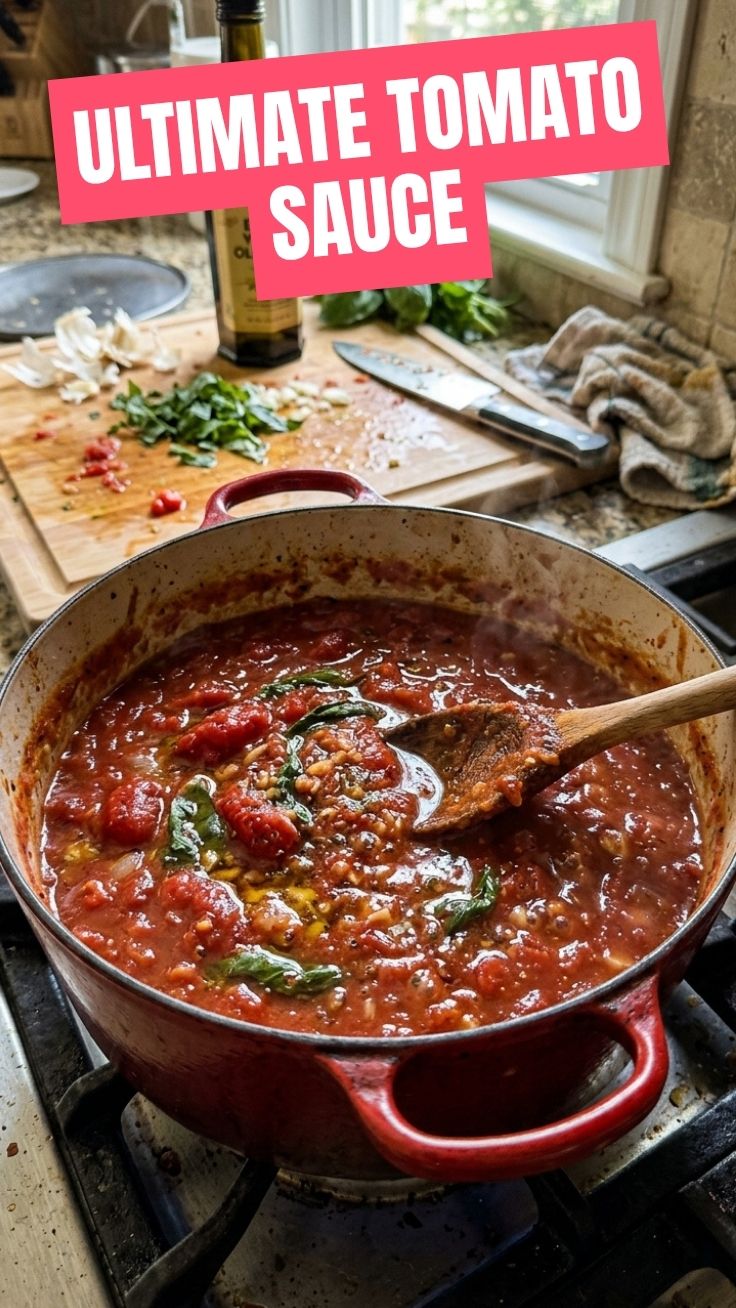
3. Simmer the Sauce: Add the chopped tomatoes, dried oregano, salt, pepper, and sugar (if using) to the pot. Stir well to combine. Bring the mixture to a gentle simmer, then reduce heat to low, cover partially, and let it cook for at least 60-90 minutes, stirring occasionally. The goal is for the sauce to thicken and for the flavors to meld beautifully. You’ll notice the sauce’s color deepen and the texture become richer. This careful simmering is key to achieving a truly remarkable Fresh Tomato Sauce (Summer).
4. Finish and Season: Once the sauce has thickened to your liking, remove it from the heat. Stir in the fresh basil leaves. For a smoother sauce, use an immersion blender directly in the pot, or carefully transfer to a regular blender (in batches, if needed) and blend until desired consistency. Taste and adjust seasoning with more salt, pepper, or sugar as needed. This is also where you can contemplate how this perfect base can be adapted into various Seasonal Tomato Sauce Recipes.
Nutritional Benefits & Advantages
This homemade tomato sauce is a nutritional powerhouse! Tomatoes are an excellent source of Vitamin C, potassium, and K, and are rich in lycopene, a powerful antioxidant linked to reduced risk of heart disease and certain cancers. Cooking tomatoes, especially with a little olive oil, significantly increases the bioavailability of lycopene, making this sauce incredibly beneficial. Our recipe avoids excessive added sugars and unhealthy fats often found in store-bought versions, offering a wholesome and naturally delicious option for your meals.
Tips Variations & Cooking Advice
- Roast for Depth: For an even deeper flavor, consider roasting your tomatoes (tossed with olive oil, salt, and pepper) at 400°F (200°C) for 30-40 minutes before adding them to the pot. This caramelizes the sugars and intensifies their sweetness.
- Herb Variations: Experiment with other fresh herbs like fresh oregano, thyme, or marjoram. A sprig of rosemary can also add a delightful complexity.
- Spice It Up: For more heat, increase the red pepper flakes or add a pinch of cayenne pepper.
- Cheesy Nuance: Stir in a spoonful of grated Parmesan or Pecorino Romano at the end for an extra layer of umami.
- Vegetable Boost: Sauté finely diced carrots or celery along with the onions for added nutrients and flavor.
Common Mistakes to Avoid
- Under-Simmering: Rushing the simmer time results in a watery, less flavorful sauce. Let it gently bubble and reduce – patience is a virtue here.
- Over-Blended: If you prefer a rustic sauce, resist the urge to blend it into oblivion. A few chunky bits add wonderful texture.
- Burning Garlic: Garlic cooks quickly; add it after the onions have softened and keep a close eye on it to prevent bitterness.
- Skipping the Ice Bath: This crucial step stops the cooking process and makes peeling the tomatoes incredibly easy. Don’t skip it!
- Lack of Seasoning: Tomatoes need a good amount of salt to shine. Taste and adjust throughout the cooking process.
Storage & Meal Prep Tips
This homemade tomato sauce is fantastic for meal prep!
- Refrigeration: Store any leftover sauce in an airtight container in the refrigerator for up to 5-7 days.
- Freezing: For longer storage, allow the sauce to cool completely. Transfer it to freezer-safe bags or containers, leaving a little headspace. It can be frozen for up to 3-4 months. Thaw overnight in the refrigerator or gently reheat on the stovetop.
- Reheating: Reheat gently over low heat on the stovetop, stirring occasionally, or in the microwave. If it’s too thick, add a splash of water or vegetable broth.
Conclusion
Crafting a homemade Fresh Tomato Sauce (Summer) is more than just cooking; it’s an experience that connects you to the delicious simplicity of seasonal ingredients. The effort invested yields a rich, vibrant sauce that far surpasses any store-bought alternative, elevating everyday meals into memorable culinary moments. This recipe isn’t just about taste; it’s about embracing wholesome eating and enjoying the genuine flavors of nature’s bounty. We encourage you to try this recipe, experiment with your own twists, and share the joy of truly fresh flavors. As you become more adept, you’ll find yourself exploring various Seasonal Tomato Sauce Recipes, discovering new favorites throughout the year. Share your creations with us – tag us on social media!
FAQs
Q1: Can I use canned tomatoes instead of fresh?
A1: While fresh tomatoes are highly recommended for the best flavor in this recipe, you can use high-quality canned San Marzano tomatoes as a substitute, especially when fresh, ripe tomatoes are out of season. Adjust simmering time as canned tomatoes are already cooked down.
Q2: My sauce is too acidic, what can I do?
A2: A pinch of sugar often helps balance the acidity of tomatoes. You can also add a tiny bit of baking soda (1/4 teaspoon at a time) to neutralize excess acidity, but be careful not to add too much as it can affect the flavor.
Q3: How can I make this sauce thicker?
A3: The easiest way to thicken the sauce is to simmer it uncovered for a longer period, allowing more water to evaporate. You can also press out more liquid from your chopped tomatoes before adding them to the pot.
Q4: Is it necessary to peel and deseed the tomatoes?
A4: Peeling and deseeding provide a smoother sauce and avoid any potentially bitter taste from the seeds. While optional, it greatly improves the texture and overall quality of a truly refined sauce.
Q5: What are some good dishes to serve with this sauce?
A5: This versatile sauce is perfect with pasta, gnocchi, chicken or eggplant parmesan, as a base for pizza or shakshuka, or even simply as a dip for crusty bread.