Master the Creamy Dream: Homemade Fettuccine Alfredo That Dazzles
Tired of lackluster restaurant meals and craving that velvety, rich, and utterly satisfying classic that truly hits the spot? Imagine a dish so luxurious, yet surprisingly simple to create in your own kitchen – a dish that transforms ordinary pasta into an extraordinary culinary experience. Today, we’re diving deep into the art of crafting the perfect homemade Fettuccine Alfredo. This beloved Italian-American staple, revered for its decadent cream sauce and tender pasta, often seems intimidating, but with our expert guidance, you’ll master it in no time. Moreover, understanding how to build compelling Pasta sauce recipes from scratch unlocks a world of culinary possibilities, allowing you to tailor flavors to your exact preferences.
Ingredients & Kitchen Tools
Crafting the perfect Alfredo requires fresh, high-quality ingredients and a few fundamental kitchen tools.
- Fettuccine (12-16 oz packet): The classic flat, wide pasta that perfectly cradles the rich sauce. Fresh fettuccine is ideal for a superior texture.
- Unsalted Butter (½ cup or 1 stick): Essential for that signature rich, buttery base. Unsalted allows you to control the sodium level.
- Heavy Cream (1 ½ cups): The cornerstone of the creamy texture. Don’t skimp on the fat — this is what makes Alfredo truly luxurious.
- Parmigiano-Reggiano Cheese (1 ½ cups, freshly grated): Crucial for flavor and emulsification. Pre-grated cheese often contains anti-caking agents that can make your sauce gritty.
- Garlic (2 cloves, minced): Adds a subtle aromatic depth without overpowering.
- Salt (to taste): For seasoning both the pasta water and the sauce.
- Freshly Ground Black Pepper (to taste): Aromatic and adds a pleasant kick.
- Fresh Parsley (2 tbsp, chopped, optional): For garnish and a touch of freshness.
- Large Pot: For boiling the pasta.
- Large Skillet or Sauté Pan: With high sides, for preparing the sauce and tossing the pasta.
- Whisk: For emulsifying the sauce.
- Grater: For fresh Parmigiano-Reggiano.
- Tongs: For tossing pasta.
- Measuring Cups and Spoons: For accurate ingredient quantities.
Prep Time & Cooking Schedule
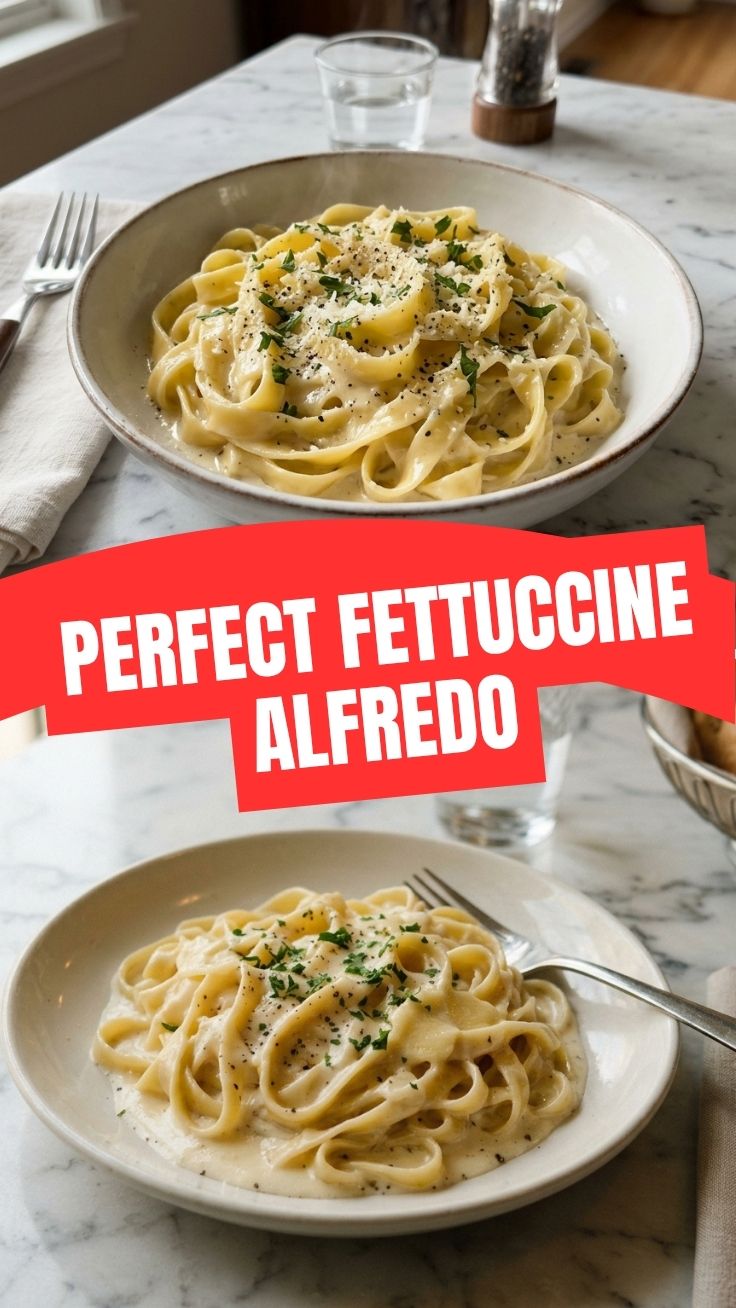
Making this delightful dish is surprisingly quick, making it perfect for both weeknight dinners and special occasions.
- Prep Time: 10 minutes (grating cheese, mincing garlic)
- Cook Time: 20-25 minutes (pasta cooking + sauce preparation)
- Total Time: 30-35 minutes
Start by getting your pasta water on to boil. While it heats up, prepare your other ingredients. This staggered approach ensures everything comes together smoothly and the sauce is ready just as the pasta finishes cooking. Alfredo is best enjoyed immediately.
Step-by-Step Instructions
1. Boil the Pasta: Fill your large pot with water, add a generous pinch of salt (it should taste like the sea!), and bring to a rolling boil. Add the fettuccine and cook according to package directions until al dente – tender but still firm to the bite. Before draining, reserve 1-2 cups of the starchy pasta water.
2. Sauté the Garlic: While the pasta cooks, melt the unsalted butter in your large skillet over medium-low heat. Add the minced garlic and sauté for 1-2 minutes until fragrant, being careful not to brown it, which can make it bitter.
3. Create the Cream Base: Pour in the heavy cream and bring it to a gentle simmer, stirring occasionally. Do not allow it to boil vigorously. Reduce the heat to low.
4. Emulsify the Sauce: Gradually add the freshly grated Parmigiano-Reggiano cheese, a handful at a time, whisking continuously until the cheese is fully melted and incorporated. The sauce should start to thicken and become beautifully smooth. If it seems too thick, add a tablespoon or two of the reserved pasta water. Season the creamy Fettuccine Alfredo sauce with salt and freshly ground black pepper to taste. Remember that the cheese is salty, so taste before adding more.
5. Combine Pasta and Sauce: Drain the cooked fettuccine thoroughly (do not rinse!). Add the hot pasta directly to the skillet with the Alfredo sauce. Toss gently with tongs, ensuring every strand is coated in the luxurious sauce. If the sauce becomes too thick, loosen it with a splash more reserved pasta water until it reaches your desired consistency. This technique is key to many superb Pasta sauce recipes.
6. Serve: Garnish with fresh chopped parsley, if desired, and serve immediately with extra grated Parmigiano-Reggiano on the side.
Nutritional Benefits & Advantages
While Fettuccine Alfredo is undeniably indulgent, it also offers some surprising benefits when made with quality ingredients. Dairy products like heavy cream and Parmigiano-Reggiano are excellent sources of calcium and vitamin D, crucial for bone health. Butter provides essential fat-soluble vitamins. Furthermore, pasta itself offers complex carbohydrates for sustained energy. Making it at home allows you to control the quality of ingredients, avoid artificial additives, and adjust sodium levels, which is a significant advantage over many pre-packaged or restaurant versions.
Tips, Variations & Cooking Advice
- Protein Boost: Add grilled chicken, shrimp, or even leftover shredded rotisserie chicken for a more substantial meal. Sautéed mushrooms or broccoli florets are also excellent additions.
- Spice It Up: A pinch of red pepper flakes added with the garlic can introduce a subtle heat.
- Herbaceous Notes: Beyond parsley, consider fresh basil or a tiny hint of nutmeg for a deeper aroma.
- Gluten-Free: Easily adapted by using your favorite gluten-free fettuccine. Most gluten-free pasta brands have come a long way in terms of texture.
- Dairy-Free (Alternative): While challenging to replicate the exact richness, cashew cream or a rich vegetable broth thickened with a roux can be used with nutritional yeast for a cheesy flavor.
Common Mistakes to Avoid
- Overcooking the Pasta: Soggy pasta is a no-go. Always cook until al dente.
- Overheating the Sauce: High heat can cause the cream to curdle or the cheese to separate and become oily. Keep the heat low and gentle.
- Using Pre-Grated Cheese: As mentioned, these often contain cellulose, leading to a gritty or clumpy sauce. Freshly grated is non-negotiable.
- Rinsing the Pasta: Don’t rinse the pasta! The starch clinging to it helps the sauce adhere wonderfully.
- Not Reserving Pasta Water: This starchy liquid is your secret weapon for achieving the perfect sauce consistency and emulsification.
Storage & Meal Prep Tips
Alfredo is truly best devoured fresh. The sauce tends to thicken considerably and lose some of its creamy luster upon refrigeration. However, if you have leftovers:
- Refrigeration: Store in an airtight container for 1-2 days.
- Reheating: Reheat gently on the stovetop over low heat, adding a splash of milk, cream, or chicken broth as needed to restore creaminess. Avoid the microwave if possible, as it can make the sauce separate.
- Freezing: Freezing is not recommended for cream-based sauces as they tend to separate upon thawing.
Conclusion
Creating your own homemade Fettuccine Alfredo is a truly rewarding culinary endeavor, proving that simple, quality ingredients can yield extraordinary results. This guide equips you with all the knowledge to master this classic, ensuring a velvety smooth sauce and perfectly cooked pasta every time. Remember, the journey of exploring various Pasta sauce recipes opens up endless possibilities for delicious, home-cooked meals. Don’t be afraid to experiment and make this recipe your own. Share your creamy creations with us in the comments – we’d love to hear how it turned out!
FAQs
Q1: My Alfredo sauce is too thick. What can I do?
A1: Gradually whisk in a tablespoon or two of the reserved hot pasta water (or heavy cream/milk) until it reaches your desired consistency.
Q2: Can I make Alfredo sauce ahead of time?
A2: It’s strongly recommended to make Alfredo sauce fresh. The texture and consistency can change significantly upon cooling and reheating, often becoming much thicker and less smooth.
Q3: What’s the best cheese for Alfredo?
A3: Freshly grated Parmigiano-Reggiano is king for authentic Alfredo. Its nutty, salty flavor and excellent melting properties are unmatched.
Q4: How do I prevent my sauce from curdling?
A4: The key is gentle, low heat. Never let the cream boil vigorously, and add the cheese gradually while constantly whisking. Overheating causes the fat and protein to separate.
Q5: Can I add other vegetables to Alfredo?
A5: Absolutely! Steamed broccoli florets, sautéed spinach, asparagus, or sun-dried tomatoes are popular and delicious additions that can balance the richness. Add them to the sauce just before tossing with pasta.