Mastering Eggplant Parmesan: A Comprehensive Guide to Homemade Perfection
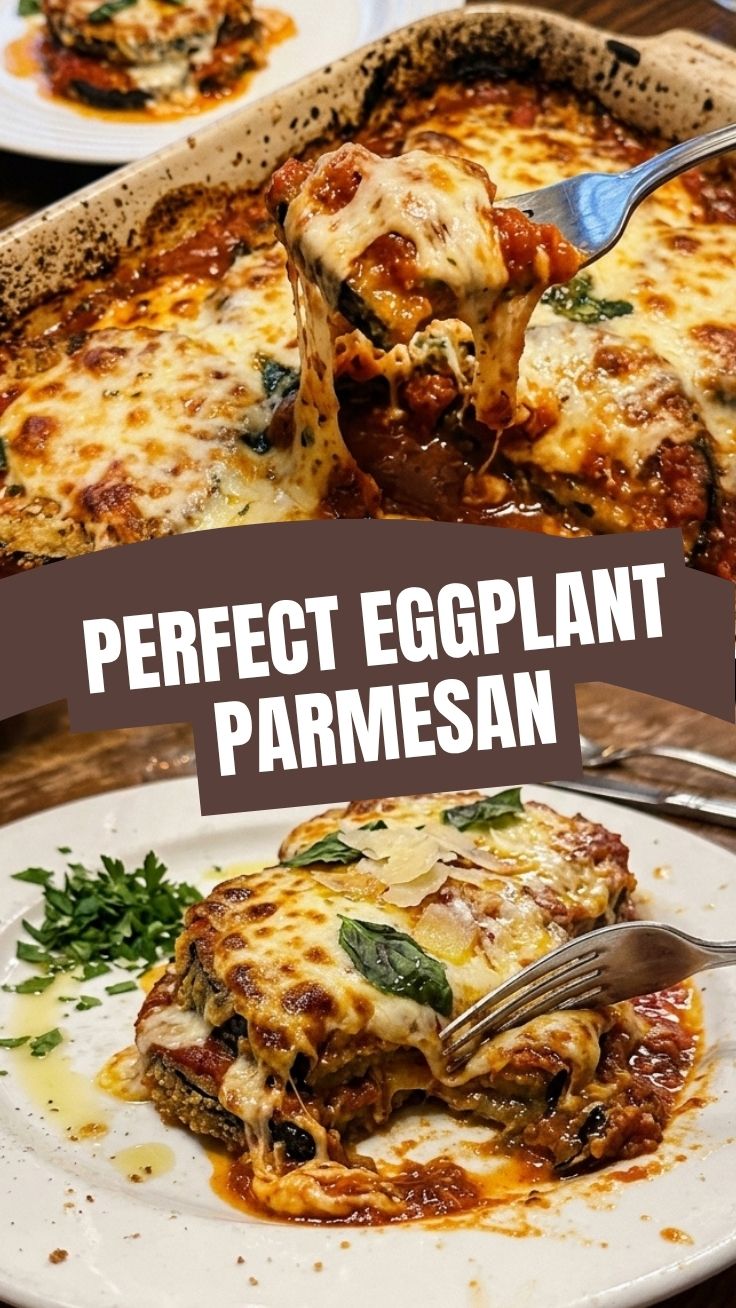
Ever wondered how to achieve that perfectly crispy, exquisitely cheesy, and utterly satisfying classic Italian dish right in your own kitchen? Look no further! This comprehensive guide will walk you through crafting a delectable Eggplant Parmesan from scratch, a dish that rivals any restaurant rendition. Preparing this culinary masterpiece at home not only saves you money but also allows for personalized touches, ensuring a freshness and flavor that pre-made meals simply can’t match. Forget the soggy, uninspired versions – we’re talking about a rich, layered experience that will impress even the most discerning palates. And while we’re elevating Italian classics, let’s also acknowledge the versatile brilliance of lasagna, another beloved dish that benefits immensely from a homemade approach.
Ingredients & Kitchen Tools
To embark on this culinary journey, gather the following:
- Eggplants (3 medium): Look for firm, shiny eggplants without blemishes. The star of our Eggplant Parmesan!
- Canned Crushed Tomatoes (28 oz can): The foundation of our flavorful sauce. Opt for good quality for a richer taste.
- Garlic (4 cloves): Minced for aromatic depth. Essential for a robust sauce.
- Onion (1 medium): Finely diced, adding sweetness and complexity to the sauce.
- Fresh Basil (1/2 cup): Chopped, for a bright, herbaceous lift. Don’t skimp on fresh herbs!
- Parmesan Cheese (1 cup, freshly grated): The quintessential cheesy layer. Freshly grated melts better and has superior flavor.
- Mozzarella Cheese (1 lb, shredded): Low-moisture, part-skim works best for melting without excess water.
- Eggs (2 large): Beaten, for the breading process, helping the breadcrumbs adhere.
- All-Purpose Flour (1 cup): For dredging the eggplant.
- Breadcrumbs (1.5 cups): Panko breadcrumbs offer a superior crispness.
- Olive Oil (1/2 cup + 2 tbsp): For frying the eggplant and sautéing the aromatics. Extra virgin for flavor, regular for frying.
- Salt & Black Pepper (to taste): Seasoning is key at every stage.
- Dried Oregano (1 tsp): For an authentic Italian touch in the sauce.
- Red Pepper Flakes (1/2 tsp, optional): For a subtle kick.
Kitchen Tools:
- Large Baking Dish (9×13 inch): For assembling and baking your Eggplant Parmesan.
- Large Skillet/Frying Pan: For frying the eggplant slices.
- Large Pot/Dutch Oven: For making the tomato sauce.
- Whisk: For beating eggs.
- Shallow Bowls (3): For your breading station (flour, eggs, breadcrumbs).
- Tongs: For handling eggplant slices while frying.
- Cutting Board & Chef’s Knife: For all your chopping needs.
- Grater (optional): If starting with a block of Parmesan.
Prep Time & Cooking Schedule
- Prep Time: 45 minutes (includes salting eggplant, chopping, and setting up breading station)
- Cook Time: 1 hour 15 minutes (frying eggplant, simmering sauce, baking)
- Resting Time: 15 minutes (after baking, crucial for setting)
Plan your cooking session by starting the sauce first while the eggplant is salting. Then, move on to frying the eggplant, followed by assembly and baking. The resting time allows the layers to settle, preventing a watery or crumbly result.
Step-by-Step Instructions
1. Prep the Eggplant (The Salting Secret): Wash and slice eggplants into 1/2-inch thick rounds. Lay them on paper towels, sprinkle generously with salt, and let sit for 30 minutes. This draws out excess moisture and bitterness, ensuring a tender, non-soggy result. Pat dry thoroughly before breading.
2. Make the Marinara Sauce: In a large pot, heat 2 tablespoons of olive oil over medium heat. Sauté the diced onion until translucent, about 5-7 minutes. Add minced garlic and red pepper flakes (if using) and cook for another minute until fragrant. Pour in the crushed tomatoes, dried oregano, and half of the fresh basil. Season with salt and pepper. Bring to a simmer, then reduce heat to low, cover, and cook for at least 30 minutes, stirring occasionally, allowing flavors to meld.
3. Set Up Breading Station: In three shallow bowls, place flour, beaten eggs, and breadcrumbs.
4. Fry the Eggplant: Heat 1/2 cup olive oil in a large skillet over medium-high heat. Dredge each eggplant slice in flour, dip in egg, then coat thoroughly in breadcrumbs. Fry in batches for 3-4 minutes per side until golden brown and crispy. Transfer to a wire rack lined with paper towels to drain excess oil. This creates the delightful texture for your Eggplant Parmesan.
5. Assemble the Casserole: Preheat oven to 375°F (190°C). Spread a thin layer of marinara sauce on the bottom of your baking dish. Arrange a single layer of fried eggplant slices over the sauce. Top with a generous sprinkle of mozzarella and Parmesan cheese, then another layer of sauce. Repeat these layers, ending with a final layer of sauce and a generous covering of both cheeses. You want layers as inviting as a classic lasagna.
6. Bake: Bake for 30-35 minutes, or until the cheese is bubbly and golden brown. If the top starts to brown too quickly, loosely tent with foil.
7. Rest and Serve: Let the Eggplant Parmesan rest for at least 15 minutes before slicing and serving. Garnish with remaining fresh basil.
Nutritional Benefits & Advantages
Eggplant Parmesan, when prepared thoughtfully, offers several nutritional advantages. Eggplants are low in calories and rich in fiber, which aids digestion and promotes satiety. They also contain antioxidants like nasunin, which may help protect brain cells. Tomatoes are a fantastic source of vitamin C and lycopene, a powerful antioxidant. While cheese adds calories, it also provides essential calcium and protein. By baking instead of deep-frying (as we’ve mostly done here with light pan-frying), you can significantly reduce the fat content, making it a more heart-healthy option.
Tips Variations & Cooking Advice
- Baking vs. Frying: For a lighter version, bake the breaded eggplant slices on a parchment-lined baking sheet at 400°F (200°C) for 20-25 minutes, flipping halfway, until golden. Brush with a little oil before baking for crispness.
- Spice it Up: Add a pinch more red pepper flakes to the sauce for an extra kick.
- Herb Variations: Experiment with dried Italian seasoning in place of or in addition to oregano. Fresh parsley can also be a lovely addition.
- Cheese Alternatives: While Parmesan and mozzarella are classic, you can try combining with provolone or even a touch of smoked gouda for a different flavor profile.
- Gluten-Free: Use gluten-free flour and breadcrumbs to make this dish suitable for those with gluten sensitivities.
- Dairy-Free/Vegan: Substitute dairy cheeses with plant-based mozzarella and Parmesan alternatives. Use a flax egg or plant-based milk for dredging.
Common Mistakes to Avoid
- Skipping the Salting Step: This is paramount for preventing watery, bitter eggplant. Don’t skip it!
- Overcrowding the Pan: When frying eggplant, overcrowding lowers the oil temperature, leading to greasy, soggy slices. Fry in batches.
- Not Letting it Rest: Resting allows the cheese to set and the layers to meld, making for cleaner slices and a more enjoyable texture.
- Too Much Sauce: While tempting, too much sauce can make the dish watery. Aim for balanced layers.
- Using Pre-Shredded Cheese: Pre-shredded cheeses often contain anti-caking agents that can affect melting and flavor. Grate your own for the best results.
Storage & Meal Prep Tips
Leftover Eggplant Parmesan is often even better the next day!
- Refrigeration: Store cooled leftovers in an airtight container in the refrigerator for up to 3-4 days.
- Freezing: Slice individual portions and wrap tightly in plastic wrap, then aluminum foil. Place in a freezer-safe bag or container. It can be frozen for up to 2-3 months. Thaw in the refrigerator overnight before reheating.
- Reheating: For best results, reheat in the oven at 350°F (175°C) until warmed through and the cheese is bubbly again. Microwaving can be done for speed but may result in a softer texture.
Conclusion
Creating a homemade Eggplant Parmesan might seem like a grand endeavor, but as this guide demonstrates, with a little patience and the right techniques, you can achieve remarkable results. This classic Italian dish offers a symphony of textures and flavors – from the crispy golden eggplant to the rich tomato sauce and the gooey, melted cheese. It’s truly a labor of love that rewards you with an incredibly satisfying meal. We encourage you to try your hand at this recipe, and perhaps even experiment with your own versions, much like how one might personalize a favorite lasagna. Share your culinary conquests in the comments below! What are your favorite tips for mastering this iconic dish?
FAQs
Q1: Do I really need to salt the eggplant?
A1: Yes, absolutely! Salting draws out excess moisture and bitterness, preventing a soggy final product and improving the eggplant’s flavor.
Q2: Can I prepare this dish ahead of time?
A2: You can assemble the Eggplant Parmesan completely (up to the baking step) and refrigerate it for up to 24 hours before baking. Let it come to room temperature for about 30 minutes before baking for even cooking.
Q3: What’s the best way to prevent the breading from falling off the eggplant?
A3: Ensure your eggplant slices are thoroughly patted dry after salting. Also, make sure each slice is completely coated in flour, then egg, then breadcrumbs, pressing gently to adhere the breadcrumbs.
Q4: Can I use different types of tomatoes for the sauce?
A4: While crushed tomatoes provide the best texture, you can use whole peeled tomatoes and crush them by hand or diced tomatoes if that’s what you have. Adjust cooking time for desired consistency.