Craving Restaurant-Quality Egg Fried Rice at Home? Your Ultimate Guide Awaits!
Ever find yourself yearning for the perfectly golden, fluffy grains and savory aroma of your favorite Egg Fried Rice, but dread the thought of ordering expensive Chinese Takeout? What if I told you that crafting this beloved dish in your own kitchen is not only achievable but also incredibly rewarding? This comprehensive guide will empower you to create an egg fried rice that rivals any restaurant, offering a delightful blend of fresh ingredients, customizable flavors, and the satisfaction of a homemade meal. Say goodbye to soggy, bland attempts and hello to a culinary triumph that will impress your family and friends, all while saving you a trip to the local takeout spot.
Ingredients & Kitchen Tools
Gathering the right ingredients and tools is the first step to a successful Egg Fried Rice experience.
- Cooked Rice (2-3 cups, preferably day-old): Essential for a non-clumpy texture. Day-old rice is drier and less likely to stick.
- Eggs (2 large): The star of the dish, providing richness and binding.
- Sesame Oil (1 tablespoon): Adds an authentic, nutty aroma.
- Vegetable Oil (2 tablespoons): For stir-frying at high heat.
- Soy Sauce (2-3 tablespoons, to taste): Provides umami and saltiness. Use low-sodium if preferred.
- Green Onions (2-3 stalks, chopped): Adds fresh, pungent flavor and a pop of color.
- Garlic (2 cloves, minced): Aromatic base for many Asian dishes.
- Ginger (1 inch, grated, optional): Enhances the aromatic profile.
- Frozen Peas and Carrots (1/2 cup): Adds sweetness, color, and nutritional value.
- White Pepper (1/2 teaspoon): A classic seasoning for fried rice.
- Salt (to taste): Adjust according to soy sauce and personal preference.
- Wok or Large Skillet: Ideal for high-heat stir-frying, ensuring even cooking.
- Spatula: For stirring and tossing ingredients.
Prep Time & Cooking Schedule
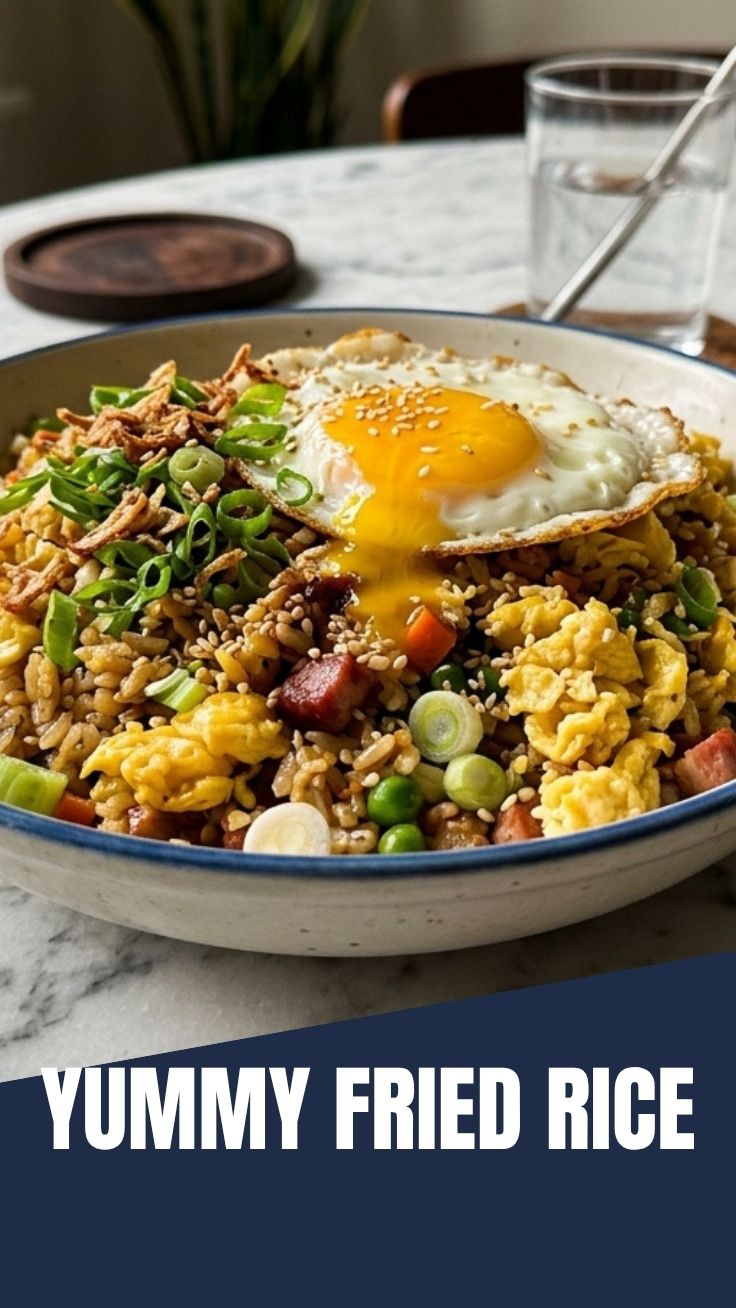
Planning makes perfect when it comes to stir-frying. This dish is quick to cook once all your ingredients are prepped!
- Prep Time: 15 minutes (Includes chopping vegetables, mincing garlic, and grating ginger).
- Cook Time: 10-12 minutes (Rapid stir-frying is key).
- Total Time: 25-27 minutes
To streamline the process, ensure your rice is cooked and cooled (ideally refrigerated overnight) beforehand. Have all your vegetables chopped and eggs beaten before you even turn on the stove. This “mise en place” approach will make the cooking process enjoyable and stress-free.
Step-by-Step Instructions
Follow these clear steps to achieve perfect Egg Fried Rice every time. Remember, speed and high heat are your allies!
1. Prepare the Eggs: In a small bowl, lightly beat the two eggs with a pinch of salt and white pepper. Set aside.
2. Heat the Wok/Skillet: Heat 1 tablespoon of vegetable oil in your wok or large skillet over high heat until shimmering.
3. Cook the Eggs: Pour the beaten eggs into the hot pan. Scramble quickly until just cooked through but still slightly moist. Break them into small pieces with your spatula. Remove the cooked eggs and set aside.
4. Sauté Aromatics: Add the remaining 1 tablespoon of vegetable oil to the wok. Add the minced garlic and grated ginger (if using) and stir-fry for about 30 seconds until fragrant. Be careful not to burn them.
5. Add Vegetables: Toss in the frozen peas and carrots. Stir-fry for 1-2 minutes until slightly tender-crisp.
6. Introduce the Rice: Add the day-old cooked rice to the wok. Break up any clumps with your spatula. Stir-fry vigorously, constantly tossing the rice, for 3-4 minutes to ensure each grain is heated through and slightly browned. This is where the magic happens, transforming plain rice into delicious Egg Fried Rice.
7. Seasoning & Integration: Push the rice to one side of the wok. Add the soy sauce and sesame oil to the empty side, allowing them to heat slightly for a few seconds before stirring into the rice. Add the cooked scrambled eggs and most of the chopped green onions (reserve some for garnish).
8. Final Toss: Continue to stir-fry for another 1-2 minutes, ensuring all ingredients are well combined and the flavors meld. Taste and adjust seasoning with additional soy sauce or a dash of salt if needed, replicating the balanced flavors of your favorite Chinese Takeout.
9. Serve: Garnish with the reserved chopped green onions and serve immediately.
Nutritional Benefits & Advantages
Beyond its delicious taste, homemade Egg Fried Rice offers several nutritional perks. Eggs are an excellent source of high-quality protein and essential vitamins like B12 and D. Adding various vegetables, such as peas and carrots, boosts fiber, vitamins, and antioxidants. By preparing it at home, you have complete control over the amount of oil, sodium, and fresh ingredients used, making it a healthier alternative to many restaurant versions. It’s a versatile dish that can easily incorporate more nutrients by adding leftover cooked chicken, shrimp, or tofu.
Tips, Variations & Cooking Advice
- Rice Quality: Always use cold, day-old rice. Freshly cooked rice is too moist and will result in a mushy fried rice. If you don’t have day-old rice, spread freshly cooked rice on a baking sheet and refrigerate for an hour to dry it out.
- High Heat: Stir-frying requires high heat to achieve that distinctive “wok hei” (breath of the wok) flavor and prevent ingredients from steaming.
- Don’t Overcrowd: Cook in batches if necessary, especially if you’re using a smaller skillet, to maintain high heat and ensure proper stir-frying.
- Flavor Variations:
* Spicy: Add a pinch of chili flakes or a dash of sriracha during the cooking process.
* Protein Boost: Stir in cooked diced chicken, shrimp, pork, or tofu.
* Vegetarian: Add more vegetables like bell peppers, mushrooms, or corn.
* Umami Boost: A teaspoon of oyster sauce (or vegetarian oyster sauce) can add depth.
- Gluten-Free: Use tamari instead of regular soy sauce.
Common Mistakes to Avoid
- Using fresh, hot rice: Leads to a sticky, clumpy mess.
- Low heat: Causes ingredients to steam rather than stir-fry, resulting in a bland, soggy dish.
- Overcrowding the pan: Lowers the temperature, leading to steaming and uneven cooking.
- Skipping the aromatics: Garlic and ginger are key to building a flavorful foundation.
- Adding too much soy sauce too early: Can make the rice soggy and overly salty. Add it towards the end and adjust.
Storage & Meal Prep Tips
Egg Fried Rice is fantastic for meal prep!
- Refrigeration: Store cooled leftovers in an airtight container in the refrigerator for up to 3-4 days.
- Freezing: While possible, the texture may change slightly. Freeze in single-serving portions for convenient reheating. Thaw overnight in the fridge before reheating.
- Reheating: Reheat in a microwave until hot, stirring halfway through. For best results, reheat on the stovetop in a lightly oiled pan over medium-high heat until warmed through, breaking up any clumps. This helps re-crisp the rice grains.
Conclusion
There you have it – your definitive guide to mastering homemade Egg Fried Rice! This versatile and satisfying dish is not only easy to prepare but also infinitely customizable, offering a healthier and often more delicious alternative to your usual Chinese Takeout. By following these steps and incorporating our expert tips, you’ll be creating culinary magic in your kitchen in no time. So, fire up your wok, gather your ingredients, and embark on a flavor journey that will delight your taste buds and impress your loved ones. We’d love to hear about your fried rice adventures in the comments below!
FAQs
Q1: Can I use brown rice for fried rice?
A1: Yes, you can! Brown rice works well, but it might require a bit more oil and cooking time to achieve the desired texture due to its higher fiber content. Ensure it’s also day-old and cold.
Q2: What’s the best way to prevent the rice from sticking to the pan?
A2: Using a well-seasoned wok or a good quality non-stick skillet over high heat with enough oil is crucial. Also, ensure your rice is cold and dry, and don’t overcrowd the pan.
Q3: Can I add raw meat like chicken or shrimp directly to the fried rice?
A3: It’s best to cook any raw meat or seafood separately until almost done before adding it to your fried rice. This ensures even cooking and prevents the pan from losing too much heat, which can make the rice soggy.
Q4: How can I make my fried rice more flavorful without adding more salt?
A4: Consider adding a dash of white pepper, a touch of mushroom powder, a few drops of dark soy sauce for color and deeper umami, or a teaspoon of toasted sesame seeds as a garnish. Garlic and ginger are also key flavor builders.
Q5: My fried rice turned out mushy. What went wrong?
A5: The most common culprit is using freshly cooked, warm, or overly moist rice. Always use day-old, refrigerated rice. Another factor could be overcrowding the pan, which lowers the cooking temperature and steams the ingredients instead of stir-frying them.