Unlock the Secrets to a Restaurant-Quality Meal: Your Guide to Perfect Chicken Marsala
Ever wondered how to bring the rich, comforting flavors of a beloved restaurant dish right into your own kitchen? Today, we’re diving deep into the art of creating exquisite Chicken Marsala, a classic that embodies the heart and soul of Italian cuisine. Preparing this indulgent dish at home isn’t just about saving money; it’s about the satisfaction of mastering a culinary masterpiece, personalizing flavors to your exact preference, and creating unforgettable dining experiences for yourself and your loved ones. Get ready to transform simple ingredients into an extraordinary meal that will impress even the most discerning palates.
Ingredients & Kitchen Tools
Gathering your mise en place before you begin is essential for a seamless cooking experience.
- Boneless, Skinless Chicken Breasts (4, about 6 oz each): Opt for organic or free-range for best flavor. Can be substituted with boneless, skinless chicken thighs for a juicier result.
- All-Purpose Flour (½ cup): For dredging the chicken, creating a golden crust and thickening the sauce. You can use gluten-free flour as an alternative.
- Salt (½ tsp) & Black Pepper (¼ tsp): Season generously to enhance the chicken’s natural taste. Adjust to your preference.
- Olive Oil (2 tbsp): Extra virgin for sautéing. A good quality oil makes a difference.
- Crimini Mushrooms (8 oz, sliced): Also known as baby portobellos, they offer a deeper, earthier flavor than white button mushrooms.
- Shallots (2, finely minced): Milder and more delicate than onions, providing a subtle aromatic base. Red onion can be used in a pinch.
- Garlic (3 cloves, minced): Essential for that signature savory depth.
- Marsala Wine (¾ cup, dry): The star of the sauce! Use a good quality dry Marsala, not sweet cooking wine. If unavailable, dry sherry or a mix of chicken broth and a splash of brandy can be a substitute, though the authentic flavor will differ.
- Chicken Broth (¾ cup): Low sodium is preferred, allowing you to control the saltiness.
- Heavy Cream (¼ cup, optional): For a richer, more luxurious sauce. Can be omitted for a lighter version.
- Fresh Parsley (2 tbsp, chopped): For garnish and a vibrant fresh finish.
- Butter (2 tbsp, unsalted): To finish the sauce, adding gloss and richness.
Kitchen Tools:
- Large Skillet or Sauté Pan: A heavy-bottomed pan ensures even heat distribution.
- Shallow Dish: For dredging the chicken in flour.
- Tongs: For handling and flipping chicken.
- Whisk: For making the sauce smooth.
- Meat Mallet or Rolling Pin: For pounding chicken to an even thickness.
Prep Time & Cooking Schedule
- Prep Time: 20 minutes (Includes pounding chicken, slicing mushrooms, mincing shallots and garlic)
- Cook Time: 25-30 minutes
- Total Time: Approximately 45-50 minutes
This recipe is perfect for a weeknight dinner but elegant enough for a special occasion. Most of the prep can be done in advance (slicing mushrooms, mincing aromatics), allowing for a smoother cooking process. The chicken itself cooks quickly, and the sauce comes together in minutes.
Step-by-Step Instructions
1. Prepare the Chicken: Place each chicken breast between two sheets of plastic wrap. Using a meat mallet or a rolling pin, pound them to an even ½-inch thickness. This ensures even cooking and tender results. Season both sides generously with salt and pepper.
2. Dredge the Chicken: Pour the flour into a shallow dish. Dredge each chicken breast in the flour, shaking off any excess. This light coating helps form a beautiful golden crust and thickens the sauce.
3. Sear the Chicken: Heat the olive oil in a large skillet over medium-high heat until shimmering. Carefully add the floured chicken breasts to the hot pan, ensuring not to overcrowd it (cook in batches if necessary). Sear for 3-4 minutes per side, until golden brown and cooked through. Remove the chicken from the pan and set aside on a plate.
4. Sauté Aromatics and Mushrooms: Reduce the heat to medium. Add the sliced mushrooms to the same pan, adding a little more olive oil if needed. Sauté for 5-7 minutes until they are softened and have released their liquid. Add the minced shallots and cook for 2 minutes until fragrant. Finally, add the minced garlic and cook for another minute, being careful not to burn it.
5. Deglaze with Marsala: Pour the Marsala wine into the pan, scraping up any browned bits from the bottom of the skillet with a wooden spoon. This deglazing step adds immense flavor to our Chicken Marsala sauce. Bring to a simmer and cook for 2-3 minutes, allowing the alcohol to cook off and the liquid to reduce slightly.
6. Simmer the Sauce: Stir in the chicken broth. Bring the sauce to a gentle simmer and let it reduce by about one-third, which will take approximately 5-7 minutes. If using, stir in the heavy cream at this stage.
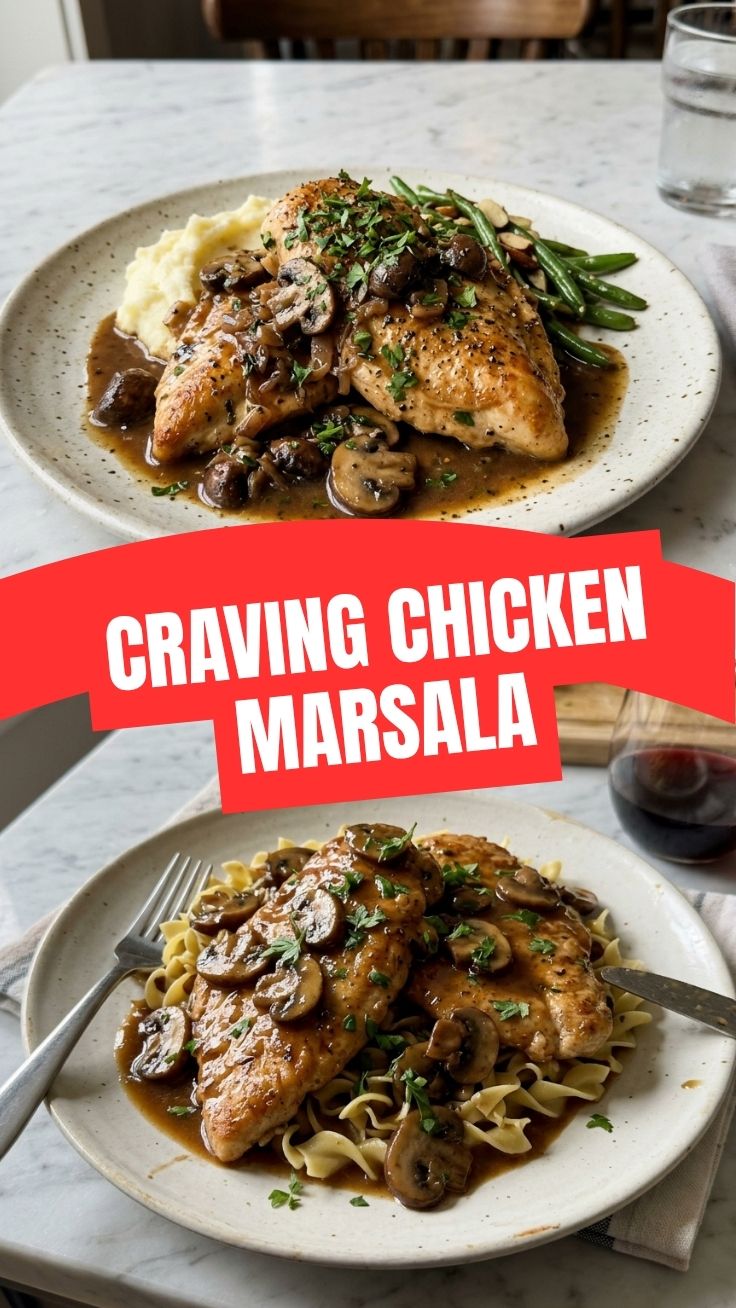
7. Finish the Dish: Return the seared chicken breasts to the pan, nestling them into the simmering sauce. Allow them to heat through for 1-2 minutes. Swirl in the cold butter until melted and the sauce looks glossy. Garnish with fresh chopped parsley. Serve immediately, perhaps with some pasta or roasted vegetables, for a truly authentic taste of Italian cuisine.
Nutritional Benefits & Advantages
This dish offers more than just incredible flavor. Chicken is an excellent source of lean protein, essential for muscle repair and growth. Mushrooms provide a boost of B vitamins, selenium, and antioxidants, contributing to overall well-being. While Marsala wine contains alcohol, much of it cooks off, leaving behind a complex flavor profile without significant alcoholic content. The optional heavy cream adds healthy fats, but can be skipped for a lower-fat option.
Tips, Variations & Cooking Advice
- Mushroom Variety: Experiment with wild mushrooms like shiitake or oyster mushrooms for different flavor depths.
- Herb Power: Fresh thyme or rosemary can be added with the shallots for an extra layer of aromatic complexity.
- Creamy vs. Light: If you prefer a lighter sauce, simply omit the heavy cream. The Marsala and chicken broth reduction will still be incredibly flavorful.
- Gluten-Free: Use gluten-free flour for dredging and ensure your chicken broth is gluten-free.
- Pan-Seared vs. Baked: While pan-searing provides the best crust, you can finish cooking the chicken in the oven if it’s thicker and needs more time after searing.
Common Mistakes to Avoid
- Overcrowding the Pan: This lowers the pan’s temperature, leading to steamed rather than seared chicken. Cook in batches if necessary.
- Overcooking the Chicken: Chicken breasts cook quickly and can become dry if overdone. Aim for an internal temperature of 165°F (74°C).
- Using Sweet Marsala: Sweet Marsala is for desserts. Always use dry Marsala for savory dishes like this.
- Burning the Garlic: Garlic cooks very quickly. Add it towards the end of the aromatic sauté and cook until fragrant, not brown.
- Skipping Deglazing: Those browned bits (fond) stuck to the bottom of the pan are flavor gold. Deglazing with Marsala wine releases them into your sauce.
Storage & Meal Prep Tips
Leftover Chicken Marsala can be stored in an airtight container in the refrigerator for up to 3-4 days. It reheats beautifully on the stovetop over medium-low heat, or gently in the microwave. Freezing is possible, though the sauce may separate slightly upon thawing and reheating; a quick whisk usually brings it back together. For meal prep, serve it with pre-cooked pasta, rice, or steamed green beans.
Conclusion
Mastering Chicken Marsala is a rewarding culinary journey that opens the door to authentic Italian cuisine within your own home. By following these detailed steps and embracing the nuances of flavor, you’ll be able to create a dish that’s both comforting and elegant. Don’t be afraid to experiment and make it your own! We’d love to hear about your experience. Share your perfect Chicken Marsala creations in the comments below or tag us on social media!
FAQs
Q1: Can I use different types of chicken?
A1: Yes, boneless, skinless chicken thighs can be used for a juicier result, though they may require a slightly longer cooking time.
Q2: What can I substitute for Marsala wine if I don’t have it?
A2: For the best flavor, a dry sherry works well. Alternatively, you can use an equal amount of chicken broth with a splash of brandy or even white grape juice with a tablespoon of balsamic vinegar for a non-alcoholic option, though the taste will vary significantly from authentic Marsala.
Q3: How do I prevent the sauce from becoming too thin or too thick?
A3: If the sauce is too thin, continue to simmer it gently to reduce and thicken. If it’s too thick, add a tablespoon or two of warm chicken broth or water to reach your desired consistency. The flour from the chicken should provide enough thickening, but a cornstarch slurry (1 tsp cornstarch mixed with 1 tsp cold water) can be added at the end if extra thickening is needed.
Q4: Can I add vegetables other than mushrooms?
A4: Absolutely! Asparagus, spinach, or roasted bell peppers can be wonderful additions. Add softer vegetables like spinach towards the end of the cooking process to prevent overcooking.
Q5: What are the best side dishes to serve with Chicken Marsala?
A5: Creamy mashed potatoes, buttered egg noodles, polenta, roasted asparagus, or a simple green salad are all excellent choices that complement the rich sauce beautifully.