Ditch the Delivery: Why Homemade Chicken Cacciatore Will Be Your New Weeknight Favorite
Ever wonder if restaurant-quality Chicken Cacciatore can really be made in your own kitchen? The answer is a resounding yes! Imagine a dish so rich, so flavorful, and so utterly comforting, it transports you straight to a rustic Italian trattoria – all without leaving your home. Beyond the incredible taste, preparing this classic Italian chicken recipe yourself offers an unmatched sense of accomplishment and allows you to control every ingredient for a healthier, more personalized meal. Get ready to elevate your culinary skills and discover the joy of making this hearty stew from scratch.
Ingredients & Kitchen Tools
Crafting the perfect Chicken Cacciatore requires a blend of fresh ingredients and a few fundamental kitchen tools. Here’s a breakdown:
- Chicken: 2-3 lbs bone-in, skin-on chicken thighs and drumsticks. (For maximum flavor and juiciness, though boneless, skinless breasts can be substituted for a leaner option, adjust cooking time accordingly.)
- Olive Oil: 2 tbsp extra virgin olive oil. (A good quality oil is key for sautéing and building flavor.)
- Onion: 1 large yellow onion, diced. (Provides a sweet aromatic base.)
- Bell Peppers: 1 red bell pepper and 1 green bell pepper, cored and sliced. (Adds color, sweetness, and a subtle earthy note.)
- Mushrooms: 8 oz cremini mushrooms, sliced. (Contributes umami depth; white button mushrooms are a fine substitute.)
- Garlic: 4-5 cloves garlic, minced. (Essential for that authentic Italian aroma.)
- Crushed Tomatoes: 28 oz can crushed tomatoes. (The foundation of the sauce, offering rich tomato flavor.)
- Diced Tomatoes: 14.5 oz can diced tomatoes, undrained. (Adds texture and another layer of tomato goodness.)
- Chicken Broth: 1 cup low sodium chicken broth. (Thins the sauce and adds savory depth.)
- Red Wine: 1/2 cup dry red wine (e.g., Chianti, Merlot, or Cabernet Sauvignon). (Optional, but highly recommended for deglazing and adding complexity to the sauce. Non-alcoholic substitutions include extra chicken broth or a splash of red wine vinegar.)
- Herbs: 1 tsp dried oregano, 1/2 tsp dried thyme, 2 bay leaves. (Classic Italian herbs for aromatic flair.)
- Fresh Herbs for Garnish: Fresh parsley or basil, chopped. (Adds freshness and a pop of color.)
- Salt & Black Pepper: To taste. (Seasoning is crucial at every stage.)
Kitchen Tools:
- Large Dutch Oven or Heavy-Bottomed Pot: Ideal for searing chicken and simmering the stew evenly.
- Tongs: For safely handling hot chicken.
- Cutting Board & Chef’s Knife: For precise ingredient preparation.
- Measuring Cups & Spoons: For accurate ingredient ratios.
- Wooden Spoon or Spatula: For stirring and scraping.
Prep Time & Cooking Schedule
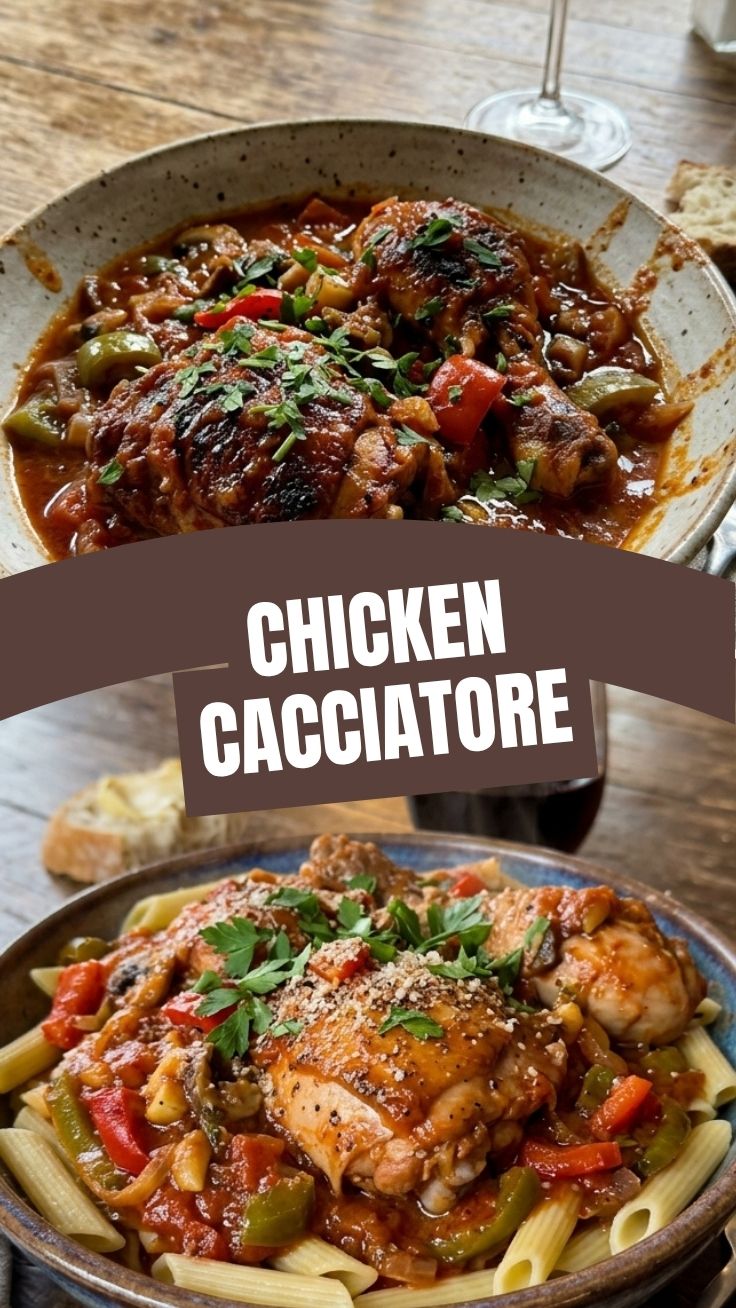
Planning makes perfect! This hearty Chicken Cacciatore is a fantastic recipe for a weekend project or an ambitious weeknight meal if you do some prep.
- Prep Time: Approximately 20-25 minutes (dicing, slicing, mincing).
- Cook Time: Approximately 60-75 minutes (searing chicken, sautéing vegetables, simmering sauce).
- Total Time: Around 1 hour 20 minutes to 1 hour 40 minutes.
Schedule Notes: You can chop all your vegetables hours or even a day in advance to cut down on active cooking time. The simmer time allows the flavors to meld beautifully, so don’t rush it! This dish also tastes even better the next day, making it perfect for meal prepping.
Step-by-Step Instructions
Let’s get cooking! Follow these clear steps to achieve a perfectly balanced and flavorful Chicken Cacciatore, a true highlight among Italian chicken recipes.
1. Prepare the Chicken: Pat the chicken pieces thoroughly dry with paper towels. Season generously with salt and black pepper. This step is crucial for crispy skin and well-seasoned meat.
2. Sear the Chicken: Heat olive oil in your Dutch oven over medium-high heat. Once shimmering, add the chicken skin-side down in batches (don’t overcrowd the pot). Sear for 6-8 minutes per side until deeply golden brown and crispy. Remove chicken and set aside on a plate. The browning adds incredible flavor to the final dish.
3. Sauté Aromatics: Reduce heat to medium. Add diced onion and bell peppers to the pot, scraping up any browned bits from the chicken. Sauté for 5-7 minutes until softened. Add sliced mushrooms and continue to cook for another 5 minutes until they release their moisture and start to brown.
4. Add Garlic & Deglaze: Stir in the minced garlic and cook for 1 minute until fragrant. Pour in the red wine (if using) and scrape the bottom of the pot with your wooden spoon to release all those flavorful fond bits. Let it simmer for 2-3 minutes until slightly reduced.
5. Build the Sauce: Stir in the crushed tomatoes, diced tomatoes (with their liquid), chicken broth, dried oregano, dried thyme, and bay leaves. Bring to a gentle simmer.
6. Return Chicken & Simmer: CarefullyNest the seared chicken pieces back into the sauce, partially submerging them.
7. Cook to Perfection: Reduce heat to low, cover the pot, and simmer for 30-45 minutes, or until the chicken is cooked through and tender. If you prefer a thicker sauce, remove the lid for the last 10-15 minutes of cooking. The internal temperature of the chicken should reach 165°F (74°C).
8. Rest & Serve: Remove bay leaves. Let the cacciatore rest for 5-10 minutes before serving. Garnish with fresh parsley or basil.
Nutritional Benefits & Advantages
Chicken Cacciatore isn’t just delicious; it’s packed with nutritional goodness! Chicken offers a lean source of protein essential for muscle repair and growth. The multitude of vegetables—onions, bell peppers, tomatoes, and mushrooms—contribute a wealth of vitamins, minerals, and antioxidants. Tomatoes, in particular, are rich in lycopene, which has been linked to heart health benefits. This dish is generally low in saturated fat (especially if you remove the skin or opt for boneless, skinless chicken) and high in fiber thanks to the vegetables. It’s a balanced meal that supports overall well-being.
Tips, Variations & Cooking Advice
- Spice It Up: Add a pinch of red pepper flakes with the garlic for a subtle kick.
- Herb Twist: Experiment with fresh rosemary or sage along with the dried herbs for an earthier flavor profile.
- Vegetable Boost: Feel free to add other vegetables like zucchini, carrots, or olives during the simmering stage.
- Slow Cooker Method: After searing the chicken and sautéing the aromatics, combine all ingredients in a slow cooker and cook on low for 4-6 hours or on high for 2-3 hours until chicken is tender.
- Pressure Cooker Method: Sauté aromatics directly in the pressure cooker. Add chicken and sauce ingredients, then cook on high pressure for 12-15 minutes, followed by a natural release.
- Serve With: Excellent over pasta (pappardelle or spaghetti are great), creamy polenta, mashed potatoes, or crusty bread for soaking up that incredible sauce.
Common Mistakes to Avoid
- Not Drying the Chicken: Wet chicken won’t brown properly, leading to less flavor. Always pat it dry!
- Overcrowding the Pot: This lowers the temperature and steams the chicken instead of searing it, preventing that crucial browning. Cook in batches if necessary.
- Under-Seasoning: Season the chicken, and then taste and adjust the sauce throughout the cooking process.
- Rushing the Simmer: The long, slow simmer is what tenderizes the chicken and allows the flavors to truly meld. Don’t cut it short.
- Forgetting to Deglaze: Those browned bits at the bottom of the pot are pure flavor gold. Make sure to scrape them up with the wine or broth.
Storage & Meal Prep Tips
Chicken Cacciatore is a fantastic make-ahead meal!
- Refrigeration: Store cooled leftovers in airtight containers in the refrigerator for up to 3-4 days. The flavors often deepen overnight.
- Freezing: This dish freezes beautifully. Transfer cooled cacciatore to freezer-safe containers or heavy-duty freezer bags. It can be frozen for up to 3 months. Thaw overnight in the refrigerator before reheating.
- Reheating: Gently reheat on the stovetop over medium-low heat, adding a splash of broth or water if the sauce is too thick. You can also microwave individual portions until heated through.
Conclusion
There you have it – a comprehensive guide to mastering Chicken Cacciatore, one of the most beloved Italian chicken recipes. From the crispy, seared chicken to the rich, aromatic tomato sauce, every bite is a journey to culinary bliss. We encourage you to roll up your sleeves, embrace the process, and soon you’ll be enjoying this delightful dish from the comfort of your own home. Share your creations, tell us your favorite variations, and explore more delectable Italian cooking!
FAQs
Q: Can I use boneless, skinless chicken breasts instead?
A: Yes, you can, but they cook faster and can dry out. Reduce the simmering time to 20-30 minutes and monitor for tenderness. Thighs are generally more forgiving and flavorful.
Q: What if I don’t have red wine?
A: You can substitute the red wine with an equal amount of chicken broth, adding a splash of red wine vinegar for a touch of acidity if desired.
Q: My sauce is too thin/thick. How can I fix it?
A: If it’s too thin, simmer uncovered for a bit longer to allow it to reduce. If too thick, add a little more chicken broth or water until it reaches your desired consistency.
Q: Can I make this in advance for a dinner party?
A: Absolutely! Chicken Cacciatore is one of those dishes that often tastes even better the next day, making it perfect for entertaining. Prepare it the day before, then gently reheat on the stovetop, adding a bit of broth if needed.
Q: What’s the best side dish for Chicken Cacciatore?
A: Creamy polenta, al dente pasta (like pappardelle or spaghetti), crusty bread, or even a simple green salad are all excellent accompaniments that complement the rich sauce beautifully.