Culinary Magic at Home: Crafting the Perfect Butter Chicken
Ever wondered how to capture that rich, creamy, and irresistibly flavorful essence of restaurant-style Butter Chicken right in your own kitchen? The secret isn’t as daunting as you might think! Mastering this iconic Indian dish at home not only saves you a trip to your favorite eatery but also allows you to customize it to your exact taste preferences, ensuring every spoonful is a delight. Forget pre-made sauces and embrace the satisfaction of creating a truly authentic and vibrant Butter Chicken that rivals even the finest Indian restaurants. And if you’re also a fan of its fiery cousin, Chicken Tikka Masala, get ready to expand your culinary repertoire with techniques that will elevate both dishes.
Ingredients & Kitchen Tools
Crafting the perfect Butter Chicken requires a blend of staple spices and fresh ingredients. Here’s what you’ll need:
- Boneless, Skinless Chicken Thighs (1.5 lbs): Thighs offer more flavor and tend to stay juicier than breast meat. Cut into 1-inch pieces.
- Plain Yogurt (1/2 cup): For marinating; helps tenderize the chicken and adds a tangy note.
- Ginger-Garlic Paste (2 tbsp): A foundational flavor in Indian cuisine. Can be bought pre-made or blended fresh (equal parts ginger and garlic).
- Lemon Juice (1 tbsp): Brightens the marinade and aids tenderization.
- Turmeric Powder (1 tsp): For color and earthy notes.
- Red Chili Powder (1 tsp, adjust to taste): For heat. Kashmiri chili powder offers vibrant color with less spice.
- Garam Masala (1 tsp): A warm, aromatic spice blend essential for authentic flavor.
- Salt (to taste): Always adjust during cooking.
- Unsalted Butter (4 tbsp): The “butter” in Butter Chicken – split for marinating and sauce.
- Olive Oil or Ghee (2 tbsp): For sautéing.
- Onion (1 medium): Finely chopped; forms the base of the sauce.
- Canned Diced Tomatoes (14.5 oz can): Or 2-3 fresh ripe tomatoes, pureed.
- Cashews (1/4 cup, soaked): Soaking for 15-30 minutes softens them for blending into a creamy base.
- Heavy Cream (1/2 cup): For richness and a silken texture.
- Fenugreek Leaves (Kasoori Methi) (1 tsp, crushed): A classic touch, adds a slightly bitter, aromatic depth.
- Fresh Cilantro (for garnish): Adds freshness and color.
- Basmati Rice or Naan Bread: For serving.
Kitchen Tools:
- Large Mixing Bowl: For marinating the chicken.
- Heavy-bottomed Pot or Dutch Oven: Ideal for slow simmering the sauce. Ensures even heat distribution.
- Blender or Immersion Blender: To achieve that silky-smooth sauce texture.
- Cutting Board & Knife: For prepping ingredients.
Prep Time & Cooking Schedule
- Prep Time: 20-25 minutes (excluding cashew soaking time)
- Marinating Time: Minimum 30 minutes, ideally 2-4 hours, or overnight for best flavor.
- Cook Time: 35-45 minutes
- Total Time: Approximately 1 hour 30 minutes (with adequate marinating time)
Plan to marinate your chicken well in advance. This step is crucial for flavor and tenderness. While the chicken marinates, you can prepare your other ingredients, making the cooking process much smoother.
Step-by-Step Instructions
1. Marinate the Chicken: In your large mixing bowl, combine the chicken pieces with yogurt, ginger-garlic paste, lemon juice, turmeric, red chili powder, garam masala, salt, and 1 tbsp melted butter. Mix well, ensuring each piece is coated. Cover and refrigerate for at least 30 minutes, or up to 24 hours.
2. Sauté Chicken: In your heavy-bottomed pot, heat 1 tbsp olive oil over medium-high heat. Add the marinated chicken in batches (do not overcrowd the pan) and sear until browned on all sides, about 3-4 minutes per side. The chicken doesn’t need to be fully cooked through yet. Remove chicken and set aside.
3. Build the Sauce Base: In the same pot, melt the remaining 3 tbsp butter with the remaining 1 tbsp olive oil. Add the chopped onions and sauté until softened and translucent, about 5-7 minutes.
4. Add Aromatics & Tomatoes: Stir in fresh ginger-garlic paste (if using- a fresh spoonful amplifies flavor), and cook for 1 minute until fragrant. Pour in the canned diced tomatoes (or pureed fresh tomatoes), stirring well. Add a pinch of salt and simmer for 10-15 minutes, allowing the tomatoes to break down and the sauce to thicken slightly.
5. Creamy Blend: Add the soaked cashews and simmer for another 5 minutes. Carefully transfer the mixture to a blender (or use an immersion blender directly in the pot) and blend until completely smooth. Strain the sauce back into the pot through a fine-mesh sieve for an extra-silky texture if desired. This step is key for that restaurant-smooth Butter Chicken consistency.
6. Combine & Simmer: Return the seared chicken to the smooth sauce. Stir in the heavy cream and crushed fenugreek leaves (kasoori methi). Bring to a gentle simmer and cook for 10-15 minutes, or until the chicken is fully cooked through and the sauce has thickened to your liking. Taste and adjust seasoning with salt, a pinch of sugar (to balance acidity), or more garam masala if needed. The rich, velvety sauce of this Butter Chicken is truly a culinary delight, much like the robust flavors found in a well-prepared Chicken Tikka Masala.
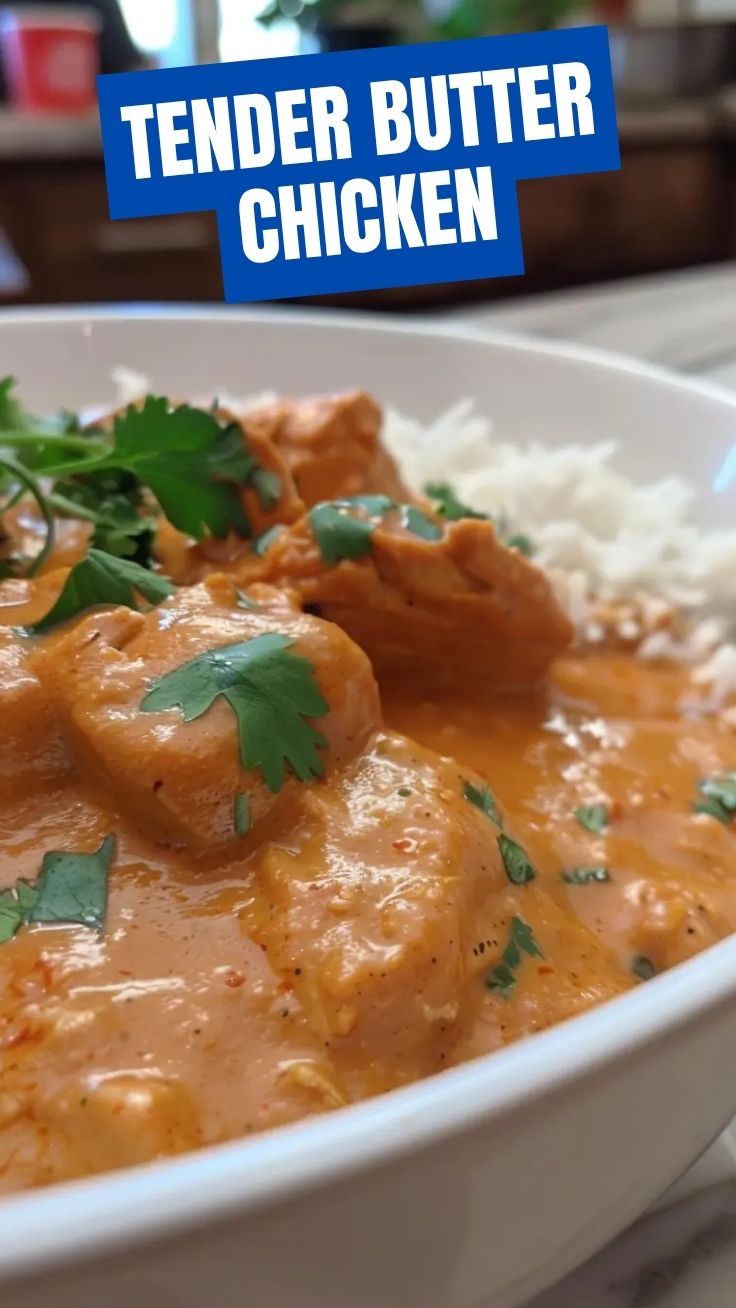
7. Serve: Garnish with fresh cilantro and serve hot with basmati rice or warm naan bread.
Nutritional Benefits & Advantages
This homemade Butter Chicken offers several nutritional advantages. Chicken thighs provide a good source of lean protein, essential for muscle repair and growth. The use of tomatoes contributes antioxidants like lycopene, while ginger and garlic offer anti-inflammatory properties. By making it at home, you control the amount of butter and cream, allowing for a potentially lighter version compared to restaurant preparations, which often use excessive amounts. Cashews add healthy monounsaturated fats and essential minerals.
Tips, Variations & Cooking Advice
- Smoky Flavor: For a charred, smoky flavor reminiscent of tandoori chicken, grill or broil the marinated chicken pieces until slightly charred before adding them to the sauce.
- Dairy-Free Version: Substitute dairy yogurt with a plant-based yogurt (like coconut or almond), heavy cream with full-fat coconut milk, and butter with vegan butter or oil. Ensure to select unflavored varieties.
- Spice Level: Adjust red chili powder to your preference. For a milder dish, reduce or omit. For extra heat, add a finely chopped green chili with the onions.
- Vegetarian Option: Swap chicken for paneer (Indian cheese), chickpeas, or a combination of cooked vegetables like cauliflower and peas. Add these towards the end of the cooking process to avoid overcooking.
- Cashew Alternative: If you have a nut allergy, you can use melon seeds or 1-2 tablespoons of almond flour (added to the sauce) to achieve a similar thickness and creaminess.
Common Mistakes to Avoid
- Overcooking Chicken: Chicken thighs are more forgiving, but still, overcooking can make them dry. Sear them briefly and finish cooking in the sauce.
- Not Marinating Enough: Skimping on marinating time leads to less flavorful and tender chicken.
- Not Blending the Sauce Smoothly: A gritty sauce diminishes the experience. Blend thoroughly, and consider straining for ultimate silkiness.
- Over-reducing the Sauce: Butter Chicken should be rich but still saucy. Don’t let it cook down too much, or it will become too thick. If it gets too thick, add a splash of water or cream.
- Forgetting Kasoori Methi: This herb is crucial for the authentic flavour profile. Don’t skip it; crush it between your palms before adding to release its aroma.
Storage & Meal Prep Tips
Butter Chicken is an excellent dish for meal prep as its flavors tend to deepen overnight.
- Refrigeration: Store leftover Butter Chicken in an airtight container in the refrigerator for up to 3-4 days.
- Freezing: It freezes beautifully! Portion into freezer-safe containers or bags and freeze for up to 2-3 months. Thaw overnight in the refrigerator before reheating.
- Reheating: Reheat gently on the stovetop over low heat, adding a splash of water or cream if the sauce has thickened too much. Avoid high heat as it can cause the cream to separate.
Conclusion
Creating restaurant-quality Butter Chicken in your own home is a truly rewarding experience, transforming simple ingredients into a dish that’s both comforting and exotic. With tender chicken swimming in a luscious, spice-infused, and velvety tomato-cream sauce, you’ll impress your taste buds and your guests. This recipe provides all the steps and insights you need to master this beloved dish, and the techniques you learn can even translate to perfecting other Indian classics like Chicken Tikka Masala. Don’t hesitate – dive into your kitchen and embark on this delicious culinary adventure! Share your creations and let us know your favorite modifications in the comments below!
FAQs
Q1: Can I use chicken breasts instead of thighs?
A1: Yes, you can. However, chicken breasts are leaner and can dry out more easily. Cut them into slightly larger pieces and be careful not to overcook them.
Q2: What can I do if my sauce is too tangy?
A2: A common fix for an overly tangy sauce is to add a pinch of sugar. It helps balance the acidity of the tomatoes without making the dish overly sweet.
Q3: Is it essential to soak the cashews?
A3: Soaking cashews helps them blend into a much smoother, creamier paste, which is crucial for the silky texture of authentic Butter Chicken. If you’re short on time, you can boil them for 10-15 minutes instead.
Q4: My sauce split when I added the cream – what went wrong?
A4: This usually happens if the cream is added to a vigorously boiling or extremely hot sauce, or if it’s high-fat cream that’s overheated. Ensure the sauce is at a gentle simmer when you stir in the cream, and don’t let it come to a rapid boil afterward.
Q5: Can I make this ahead for a party?
A5: Absolutely! Butter Chicken is an ideal make-ahead dish as the flavors meld and deepen over time. Prepare it a day in advance, refrigerate, and gently reheat before serving.