“`html
Sizzle, Sear, and Savor: Unlocking the Secret to Perfect Homemade Fajitas Every Time
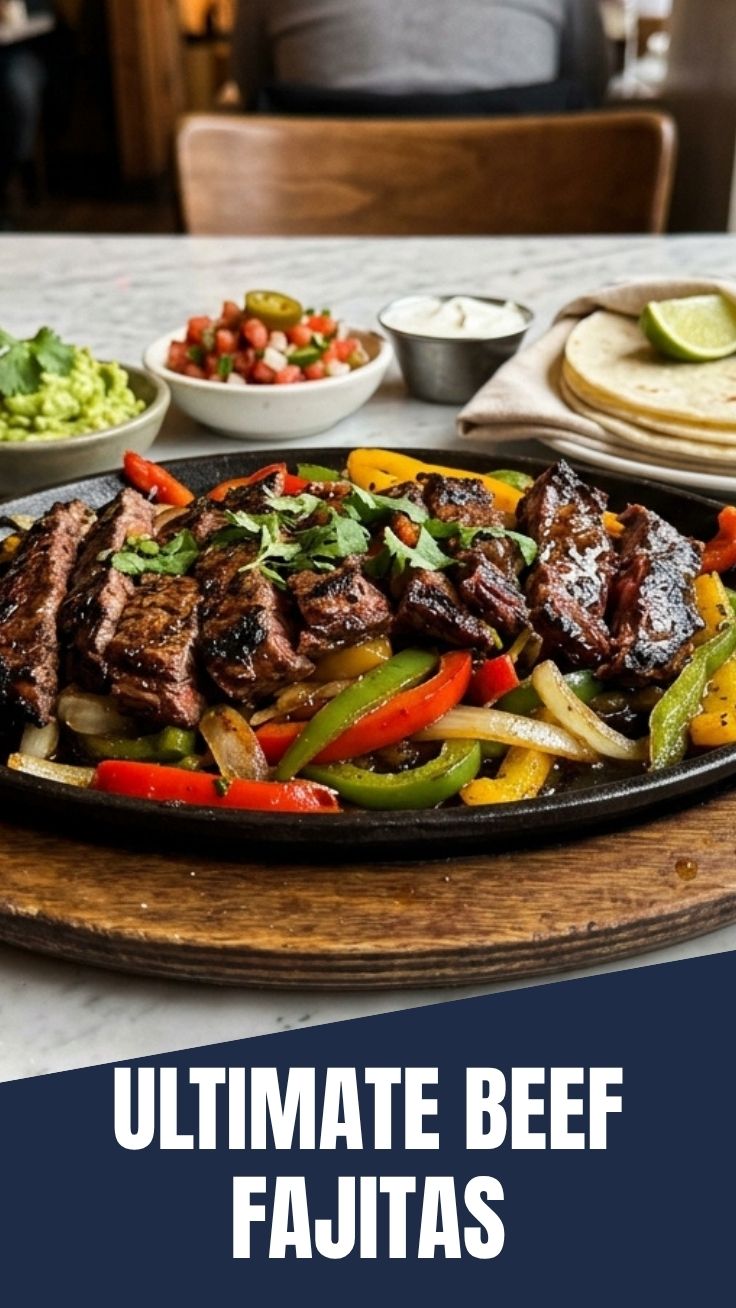
Ever wondered if you could recreate that irresistible sizzle and aroma of restaurant-quality fajitas right in your own kitchen? The answer is a resounding yes! Preparing dishes like Beef Fajitas at home not only offers a healthier, more customizable alternative but also opens up a world of culinary exploration that often starts with vibrant Mexican recipes. This comprehensive guide will empower you to master the art of homemade fajitas, ensuring every bite is packed with authentic flavor and tender, juicy beef. Forget bland and chewy – we’re diving deep into the techniques that guarantee a truly memorable meal, bringing the spirit of a bustling taqueria straight to your dining table.
Ingredients & Kitchen Tools
- For the Beef Fajitas:
- 1.5 lbs Skirt Steak or Flank Steak (Look for well-marbled cuts for maximum flavor and tenderness.)
- 2-3 Bell Peppers (Red, yellow, and green for a colorful and flavor-rich mix.)
- 1 Large Onion (Sweet or yellow onion, sliced thinly for carmelization.)
- 2 tbsp Olive Oil (For searing the beef and sautéing the vegetables.)
- For the Marinade:
- 2 tbsp Lime Juice (Freshly squeezed is essential for brightness and tenderizing.)
- 1 tbsp Chili Powder (Adds a foundational smoky and spicy note.)
- 1 tsp Cumin (Earthy and warm, a staple in Mexican cuisine.)
- 1 tsp Paprika (Sweet or smoked, for color and depth of flavor.)
- 1/2 tsp Garlic Powder (Or 2 cloves fresh minced garlic for a stronger aroma.)
- 1/2 tsp Onion Powder (Complements the fresh onion beautifully.)
- Salt and Black Pepper to taste (Essential for seasoning through and through.)
- For Serving (Optional):
- Warm Flour or Corn Tortillas (Warm them in a pan, microwave, or oven until pliable.)
- Salsa, Guacamole, Sour Cream, or Pico de Gallo (Classic accompaniments for a complete fajita experience.)
- Fresh Cilantro, chopped (For a refreshing garnish.)
- Kitchen Tools:
- Large Skillet or Cast Iron Pan (A cast iron pan is ideal for achieving a great sear and maintaining high heat.)
- Large Mixing Bowl (For marinating the beef.)
- Cutting Board (For prepping meat and vegetables.)
- Sharp Knife (For slicing ingredients thinly and evenly.)
- Tongs (For easy flipping and handling of ingredients.)
Prep Time & Cooking Schedule
- Prep Time: 20 minutes (Includes slicing beef and vegetables, and mixing marinade.)
- Marinating Time: Minimum 30 minutes, ideally 2 hours, or up to 8 hours in the refrigerator. (Crucial for tenderizing the beef and infusing flavor.)
- Cook Time: 15-20 minutes (Quick searing for beef, then sautéing vegetables.)
- Resting Time: 5-10 minutes (For the cooked beef to redistribute juices, ensuring tenderness.)
To plan your meal efficiently, start the marinating process in the morning or early afternoon. This allows the flavors to truly penetrate the meat, setting the stage for a spectacular dinner without a last-minute rush.
Step-by-Step Instructions
- Prepare the Marinade: In a large bowl, whisk together lime juice, chili powder, cumin, paprika, garlic powder, onion powder, salt, and pepper. This flavor base is what makes your fajitas irresistible.
- Marinate the Beef: Slice the skirt or flank steak against the grain into thin strips, about 1/4 inch thick. Add the beef to the bowl with the marinade, ensuring all pieces are well coated. Cover and refrigerate for at least 30 minutes, or up to 8 hours. The longer it marinates, the more tender and flavorful your Beef Fajitas will be.
- Prepare Vegetables: While the beef marinates, slice the bell peppers and onion into thin strips.
- Sear the Beef: Heat 1 tablespoon of olive oil in a large skillet or cast iron pan over medium-high heat until shimmering. Remove the beef from the marinade, shaking off any excess. Cook the beef in batches to avoid overcrowding the pan, searing for 2-3 minutes per side until nicely browned and just cooked through. Overcooking will make the beef tough. Transfer cooked beef to a plate and tent with foil.
- Sauté Vegetables: Add the remaining 1 tablespoon of olive oil to the same pan. Add the sliced bell peppers and onions. Sauté for 5-7 minutes, stirring occasionally, until vegetables are tender-crisp and slightly caramelized. You want them to retain a little bite!
- Combine and Serve: Return the cooked beef to the pan with the vegetables. Toss briefly to combine and heat through, allowing any remaining marinade flavors to meld with the vegetables. Serve immediately with warm tortillas and your favorite Mexican recipes accompaniments like salsa, guacamole, and sour cream.
Nutritional Benefits & Advantages
Homemade fajitas offer a fantastic balance of lean protein, vibrant vegetables, and customizable healthy fats. Skirt or flank steak provides a rich source of iron, zinc, and B vitamins, essential for energy and overall health. The bell peppers are packed with Vitamin C and antioxidants, while onions contribute beneficial prebiotics. By preparing them at home, you control the amount of oil and salt, avoiding the hidden additives often found in restaurant versions, making it a wholesome and satisfying meal choice.
Tips Variations & Cooking Advice
- Spice Level: Adjust the amount of chili powder, or add a pinch of cayenne pepper or a dash of hot sauce to the marinade if you prefer more heat.
- Vegetarian Option: Substitute the beef with thick-sliced portobello mushrooms or grilled halloumi cheese for a delicious vegetarian alternative.
- Chicken Fajitas: Chicken breast or thigh can be used instead of beef, simply adjust cooking time as needed, ensuring chicken is cooked through.
- Smoky Flavor: For an added smoky depth, consider adding a dash of liquid smoke to the marinade or using smoked paprika.
- Grilling: Fajitas can be fantastic on the grill! Thread beef and vegetables onto skewers or use a grill basket for even cooking.
Common Mistakes to Avoid
- Overcrowding the Pan: This is a major culprit for steaming instead of searing. Cook beef and vegetables in batches to ensure a beautiful char and tender texture.
- Overcooking the Beef: Skirt and flank steak cook quickly. Overcooked beef will be tough and chewy. Aim for medium-rare to medium for optimal tenderness.
- Not Marinating Long Enough: The marinade is key for both flavor and tenderization. Don’t shortchange this step!
- Slicing with the Grain: Always slice beef against the grain to shorten the muscle fibers, resulting in a more tender bite.
Storage & Meal Prep Tips
Leftover fajita components can be stored separately in airtight containers in the refrigerator for up to 3-4 days. For meal prep, cook the beef and vegetables, then store them separately. When ready to eat, simply reheat the components in a skillet or microwave until warmed through. The beef and vegetables can also be frozen for up to 2-3 months; ensure they are fully cooled before freezing in freezer-safe bags or containers. Reheat from frozen on the stovetop over medium heat, or thaw first for best results.
Conclusion
Mastering homemade fajitas is a rewarding culinary journey that promises tender, flavorful results every time. By following these steps, you’ve not only prepared a delicious meal of Beef Fajitas but also honed your skills in creating vibrant, satisfying Mexican recipes with confidence. So go ahead, fire up that skillet, slice those veggies, and prepare to impress your taste buds and loved ones with a dish that’s bursting with zest and sizzle. Don’t forget to share your culinary triumphs in the comments below!
FAQs
- Q: Can I use other cuts of beef for fajitas?
- A: While skirt and flank steak are traditional due to their leanness and fast cooking properties, you can also use sirloin or even tenderloin, though cooking times may vary slightly. Slice thinly against the grain for best results.
- Q: My fajitas aren’t sizzling like they do in restaurants. What am I doing wrong?
- A: The key to that iconic sizzle is a very hot pan, preferably cast iron, and not overcrowding it. Cook the beef and vegetables in batches to maintain high heat and achieve a good sear rather than steaming them.
- Q: How can I make my fajitas spicier?
- A: Increase the amount of chili powder, add a pinch of cayenne pepper, or include sliced jalapeños or serrano peppers to your vegetable mix. A dash of your favorite hot sauce in the marinade also works wonders.
- Q: What are the best toppings for fajitas?
- A: Classic toppings include fresh salsa, guacamole, sour cream or crema, shredded cheese, chopped fresh cilantro, and a squeeze of fresh lime juice. Don’t be afraid to experiment with your favorites!
- Q: Can I prepare the marinade ahead of time?
- A: Yes, you can prepare the marinade up to 2-3 days in advance and store it in an airtight container in the refrigerator. Add the beef to marinate no more than 8 hours before cooking for best results.
“`