Unlock the Secret to Savory Perfection: Your Guide to Exquisite Balsamic Chicken at Home
Ever wonder how restaurant chefs achieve that perfect balance of tangy and sweet, tender and juicy in their chicken dishes? Today, we’re diving deep into the world of homemade gourmet with a recipe that promises to elevate your weeknight meals from mundane to magnificent: perfectly seared Balsamic Chicken. Forget bland chicken—this dish is a symphony of flavors, where succulent chicken breasts are bathed in an irresistible balsamic glaze, creating a truly unforgettable culinary experience. Preparing this at home isn’t just about saving money; it’s about control over ingredients, personalized flavor profiles, and the sheer joy of creating something delicious for yourself and your loved ones. Get ready to impress with minimal effort and maximum flavor!
Ingredients & Kitchen Tools
To embark on this flavorful journey, gather the following essential ingredients and tools:
- Boneless, Skinless Chicken Breasts (2 large or 4 small): The star of our show! Opt for organic, free-range if possible for best flavor and texture.
- Balsamic Vinegar (1/2 cup): The foundation of our amazing glaze. Choose a good quality, aged balsamic for a richer, more complex flavor.
- Honey or Maple Syrup (2 tablespoons): To balance the tang of the vinegar and add a delightful sweetness to your balsamic glaze.
- Garlic (3 cloves, minced): Essential aromatic for depth of flavor.
- Olive Oil (2 tablespoons): For searing the chicken to golden perfection. Extra virgin is ideal.
- Dried Italian Herbs (1 teaspoon): A classic blend of oregano, basil, thyme, and rosemary to enhance the chicken’s savory notes.
- Salt and Black Pepper (to taste): Basic seasonings, crucial for bringing out all the flavors.
- Optional Garnishes: Fresh parsley or basil (chopped) for a pop of color and freshness.
- Large Skillet (oven-safe preferable): For searing and simmering. Cast iron works wonderfully for even heat distribution.
- Whisk: For combining the glaze ingredients smoothly.
- Tongs: For easy handling of the chicken.
- Meat Thermometer: For ensuring the chicken is cooked through to a safe internal temperature (165°F/74°C).
Prep Time & Cooking Schedule
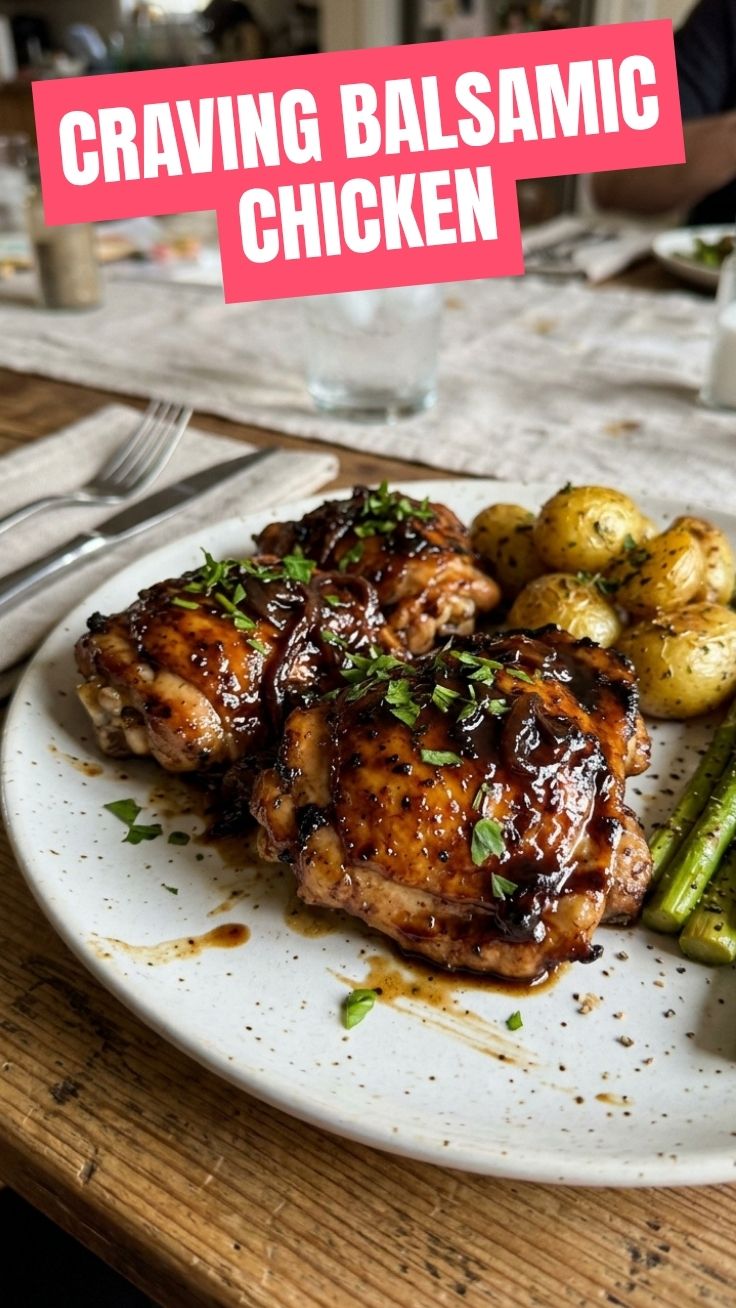
Planning is key to a stress-free cooking experience! Here’s a breakdown of the time needed:
- Prep Time: 15 minutes (Includes trimming chicken, mincing garlic, and gathering ingredients).
- Cook Time: 20-25 minutes (Searing chicken, reducing glaze).
- Resting Time: 5 minutes (Crucial for juicy chicken).
- Marinating Time (Optional): 30 minutes to overnight (For deeper flavor, see Tips section).
This recipe is perfect for a weeknight dinner, as the hands-on cooking time is minimal. You can even prep some ingredients ahead of time, like mincing the garlic or measuring out the balsamic vinegar, to make the process even smoother.
Step-by-Step Instructions
Let’s get cooking! Follow these precise steps for truly exceptional Balsamic Chicken:
1. Prepare the Chicken: Pat your chicken breasts dry with paper towels. Season generously with salt, pepper, and dried Italian herbs on both sides. This ensures a flavorful crust.
2. Sear the Chicken: Heat olive oil in a large skillet over medium-high heat. Once shimmering, add the chicken breasts. Sear for 5-7 minutes per side, until deeply golden brown and cooked through (internal temperature of 165°F/74°C). The initial sear is vital for developing a rich flavor in your Balsamic Chicken.
3. Remove and Rest: Once cooked, remove the chicken from the skillet and set aside on a plate, tented with foil. This resting period allows the juices to redistribute, resulting in more tender chicken.
4. Make the Balsamic Glaze: Reduce the heat to medium. Add the minced garlic to the skillet and sauté for 30 seconds until fragrant. Pour in the balsamic vinegar and honey (or maple syrup). Bring the mixture to a simmer, scraping up any browned bits from the bottom of the pan (this is where the flavor lives!). Simmer for 5-7 minutes, stirring occasionally, until the balsamic glaze has thickened to a syrupy consistency that coats the back of a spoon. Be careful not to reduce it too much, or it will become overly sticky.
5. Combine and Serve: Return the rested chicken to the skillet, turning to coat evenly in the sticky, flavorful glaze. Serve immediately, garnished with fresh herbs if desired.
Nutritional Benefits & Advantages
This dish isn’t just delicious; it’s also packed with goodness! Chicken is an excellent source of lean protein, essential for muscle repair and growth. Balsamic vinegar, in moderation, offers antioxidants, while garlic and olive oil bring their own host of heart-healthy and anti-inflammatory properties. This recipe offers a balanced meal when served with a side of steamed vegetables or a fresh salad, providing vital nutrients without excessive fats or calories.
Tips, Variations & Cooking Advice
- Marinating: For an even deeper flavor, consider marinating the chicken in a blend of balsamic vinegar, olive oil, minced garlic, and herbs for at least 30 minutes, or even overnight in the refrigerator.
- Vegetable Boost: Add some chopped bell peppers, cherry tomatoes, or mushrooms to the skillet during the last few minutes of glaze reduction for a complete one-pan meal.
- Spicy Kick: A pinch of red pepper flakes added to the glaze will give it a nice heat.
- Chicken Thighs: This recipe works beautifully with boneless, skinless chicken thighs as well, though cooking times may vary slightly.
- Gluten-Free/Dairy-Free: This recipe is naturally gluten-free and dairy-free, making it suitable for various dietary needs.
Common Mistakes to Avoid
- Overcrowding the Pan: Too many chicken pieces will lower the pan’s temperature and steam the chicken instead of searing it, preventing that beautiful golden crust. Cook in batches if necessary.
- Not Patting Chicken Dry: Moisture on the chicken skin prevents proper searing. Always pat it dry!
- Overcooking the Chicken: Dry, rubbery chicken is no fun. Use a meat thermometer to ensure it reaches 165°F (74°C), then remove it promptly.
- Burning the Garlic: Garlic cooks quickly. Add it after the chicken is seared and sauté it for only 30 seconds to prevent bitterness.
- Reducing Glaze Too Much: A balsamic glaze should be syrupy, not a thick candy. Watch it carefully and remove from heat when it coats a spoon.
Storage & Meal Prep Tips
Leftover Balsamic Chicken can be stored in an airtight container in the refrigerator for up to 3-4 days. It reheats wonderfully in the microwave or gently on the stovetop. While freezing cooked chicken is possible, the texture of the chicken and the consistency of the balsamic glaze might change slightly upon thawing. For the best experience, enjoy it fresh or within a few days. This makes a fantastic meal prep option for lunches throughout the week!
Conclusion
There you have it—a foolproof guide to creating an exquisite Balsamic Chicken dish that’s sure to become a regular in your rotation. The blend of tender, perfectly seared chicken and the rich, sweet-tangy balsamic glaze is a match made in culinary heaven. We encourage you to try this recipe, experiment with the variations, and truly savor the joy of home cooking. Don’t forget to share your creations and tell us how yours turned out in the comments below! Happy cooking!
FAQs
Q1: Can I use bone-in chicken?
A1: Yes, you can use bone-in, skin-on chicken pieces, but the cooking time will be longer (around 25-35 minutes depending on the piece size). Ensure an internal temperature of 165°F (74°C).
Q2: My balsamic glaze isn’t thickening. What should I do?
A2: If your glaze isn’t thickening, simply continue simmering over medium-low heat, stirring occasionally. It will eventually reduce and thicken. Ensure you’re not using a too large pan, as a wider surface area allows faster evaporation.
Q3: What can I serve with Balsamic Chicken?
A3: This dish pairs wonderfully with roasted vegetables (like asparagus or broccoli), mashed potatoes, creamy polenta, rice pilaf, or a simple green salad.
Q4: Can I make this a vegetarian dish?
A4: Absolutely! You can substitute the chicken with firm tofu, tempeh, or large portobello mushroom caps, adjusting cooking times accordingly. The balsamic glaze will still be delicious!
Q5: What if I don’t have fresh garlic?
A5: You can use ½ teaspoon of garlic powder as a substitute for fresh minced garlic. Add it with the balsamic vinegar and honey.