Master the Art of Cacio e Pepe: Your Guide to a Roman Classic
Ever wondered if you could recreate the magic of a simple yet profoundly flavorful Roman pasta dish right in your own kitchen? The answer is a resounding yes! Today, we’re diving deep into the art of making authentic Cacio e Pepe – a dish so elegant in its simplicity that it often intimidates home cooks. But fear not! This guide will empower you to master this iconic dish, transforming a few humble ingredients into a culinary masterpiece. Learning how to properly prepare Italian pasta recipes like this classic isn’t just about cooking; it’s about connecting with a rich culinary tradition and elevating your everyday meals. Get ready to impress yourself and your loved ones with this incredibly satisfying and rewarding dish.
Ingredients & Kitchen Tools
Crafting the perfect Cacio e Pepe requires a few essential, high-quality ingredients and basic kitchen tools.
- 250g (8.8 oz) Spaghetti or Tonnarelli: Traditional Roman pasta shapes work best, offering the ideal surface for the peppery, cheesy sauce.
- 200g (7 oz) Pecorino Romano Cheese: A hard, salty sheep’s milk cheese, crucial for the dish’s distinct flavor. Grate it finely yourself for best results; avoid pre-grated varieties which often contain anti-caking agents.
- 15-20g (0.5-0.7 oz) Freshly Ground Black Pepper: The “pepe” in Cacio e Pepe. Use whole peppercorns and grind them just before cooking for maximum aroma and pungency.
- Salt (for pasta water): Essential for seasoning the pasta from within.
- Large Pot: For boiling the pasta.
- Large Skillet or Pan (preferably non-stick or well-seasoned cast iron): Crucial for emulsifying the sauce and finishing the pasta.
- Tongs: For transferring pasta and tossing.
- Whisk or Sturdy Spoon: For creating the emulsion.
Prep Time & Cooking Schedule
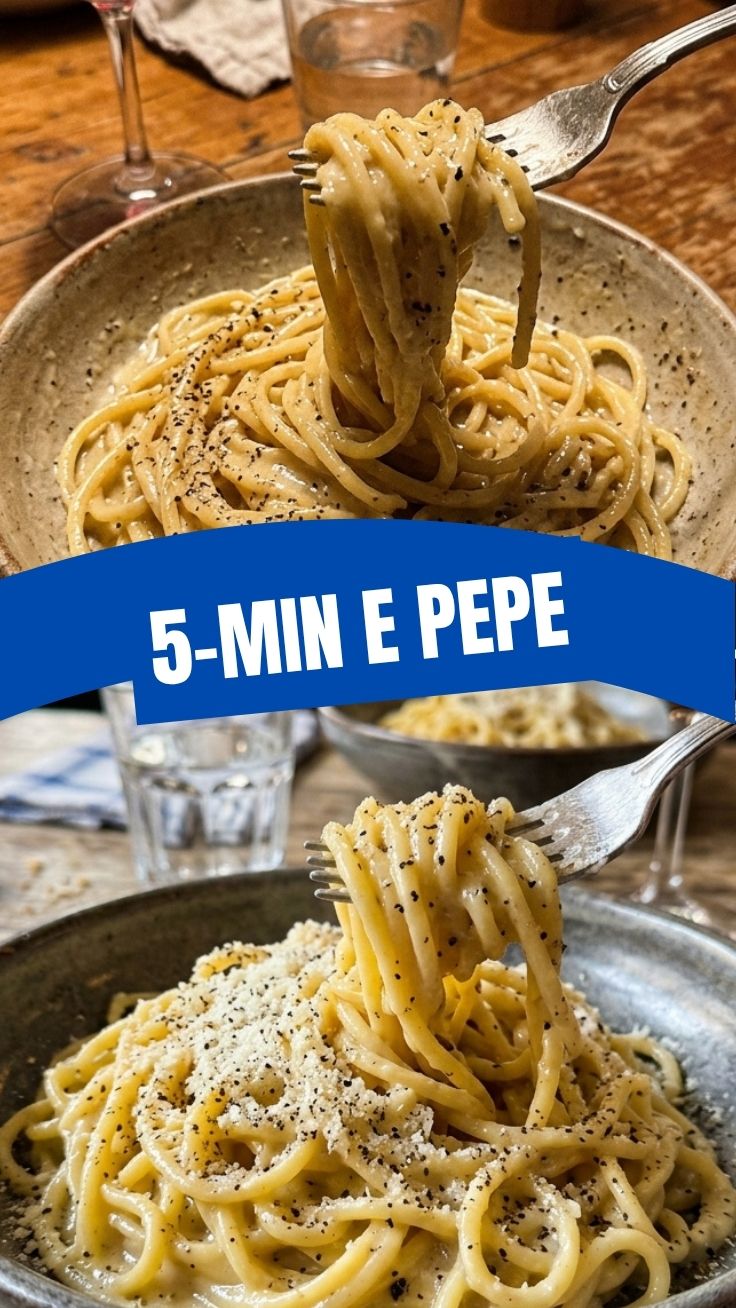
- Prep Time: 10 minutes (grating cheese, grinding pepper)
- Cook Time: 10-12 minutes (pasta cooking time + sauce preparation)
- Total Time: Approximately 20-22 minutes
This recipe is incredibly quick, making it an ideal choice for a weeknight meal when you crave something gourmet without the fuss. The key is in efficient preparation and a focused, rhythmic approach to cooking.
Step-by-Step Instructions
Mastering Cacio e Pepe is all about technique and timing. Follow these steps carefully to achieve a luscious, emulsified sauce that perfectly coats each strand of pasta:
1. Prepare the Pasta Water: Fill your large pot with water and bring it to a rolling boil. Add a generous amount of salt – it should taste like the sea.
2. Grind the Pepper: While the water heats, finely grind your black peppercorns. In a dry skillet, toast about two-thirds of the ground pepper over medium heat for 1-2 minutes until fragrant. This awakens its flavor. Immediately transfer to a large bowl or directly into your serving skillet.
3. Grate the Cheese: Finely grate all the Pecorino Romano. Set aside about two tablespoons for garnish.
4. Cook the Pasta: Add your spaghetti or tonnarelli to the boiling salted water. Cook according to package directions, but aim for al dente (firm to the bite).
5. Start the Sauce Base: As the pasta cooks, add 2-3 ladles of hot pasta water to the toasted pepper in your skillet. This starts to create the peppery base for your sauce. Keep the pan on very low heat, almost off.
6. Create the Cheese Paste: In a separate medium-sized bowl, gradually add about half of the grated Pecorino Romano to another ladle of hot pasta water, stirring vigorously to create a smooth, thick paste. Add more pasta water a tablespoon at a time if needed, aiming for a thick, runny consistency like mayonnaise. This is crucial for preventing a clumpy sauce.
7. Combine & Emulsify: Once the pasta is al dente, use tongs to transfer it directly into the skillet with the pepper water. Do not drain the pasta! Add another ladle of pasta water to the skillet.
8. The Magic Moment: Quickly add your Pecorino paste to the skillet with the pasta. Immediately begin tossing and stirring vigorously with the tongs, or use a sturdy spoon and a swirling motion. Add the remaining grated Pecorino Romano gradually while continuing to toss. Crucially, keep adding small splashes of reserved pasta water (a tablespoon at a time!) as needed to help the cheese melt and emulsify, forming a glossy, creamy sauce that clings to the pasta. The starch from the pasta water is key to this perfect emulsion. Continue tossing until the sauce is smooth, creamy, and coats the pasta beautifully. This is where perfecting Italian pasta recipes often comes down to intuition and practice.
9. Serve Immediately: Garnish with the remaining fresh ground pepper and the reserved grated Pecorino Romano. Serve piping hot.
Nutritional Benefits & Advantages
Beyond its incredible taste, Cacio e Pepe offers some notable nutritional upsides. Pecorino Romano is a good source of protein and calcium, essential for bone health. Black pepper, besides its flavorful punch, is rich in antioxidants and has anti-inflammatory properties due to piperine. While it’s a calorie-dense dish, consuming it in moderation provides sustained energy and can be part of a balanced diet, especially when paired with a fresh green salad.
Tips, Variations & Cooking Advice
Cheese Quality: Do not* skimp on Pecorino Romano. Authentic is best. Parmesan can be used in a pinch, but the flavor profile will differ significantly.
- Pasta Water is Gold: The starchy golden liquid from boiling your pasta is critical for emulsifying the sauce. Never discard it until your dish is perfectly sauced!
- Temperature Control: Keep the pan and ingredients at a warm but not scorching hot temperature when emulsifying the cheese. Too much heat will curdle the cheese; too little will prevent it from melting smoothly.
- Flavor Boost: For a touch more depth without straying too far from tradition, some chefs add a tiny knob of butter or a drizzle of good quality olive oil to the pepper in the pan before adding pasta water.
- Gluten-Free: Use your favorite gluten-free spaghetti or tonnarelli. The technique remains the same.
- Spice Level: Adjust the quantity of black pepper to your preference. Some like it fiery, others prefer a subtle hum.
Common Mistakes to Avoid
1. Using Pre-Grated Cheese: It often contains anti-caking agents that prevent a smooth sauce, leading to clumping. Always grate your own.
2. Overcooking the Pasta: Soggy pasta won’t hold the sauce well and will lack that satisfying al dente bite.
3. Adding Cold Water: Only use hot, starchy pasta water for the sauce; cold water will cool the cheese and break the emulsion.
4. High Heat for Sauce: Intense heat will cause the cheese to separate and become stringy or clumpy. Keep the heat low or even off the burner when emulsifying.
5. Draining Pasta Completely: You need that starchy water adhering to the pasta to help the sauce come together. Use tongs to transfer the pasta directly from the pot.
Storage & Meal Prep Tips
Cacio e Pepe is best enjoyed immediately. The magic of the emulsified sauce is at its peak right after preparation. Leftovers tend to lose their creamy texture as the sauce can stiffen. If you do have leftovers, store them in an airtight container in the refrigerator for up to 1-2 days. To reheat, gently warm in a skillet over low heat, adding a splash of water or broth to help re-emulsify the sauce, stirring constantly. Do not microwave if possible, as it can make the cheese oily.
Conclusion
Mastering Cacio e Pepe is a truly rewarding culinary experience. It showcases the beauty of simplicity and the power of technique in creating deeply flavorful Italian pasta recipes. By following these detailed instructions and understanding the science behind the emulsion, you’re not just cooking; you’re engaging with centuries of Roman culinary tradition. We encourage you to try this recipe, experiment with the process, and discover the joy of this magnificent dish. Share your successes, your learning moments, and your personalized twists with us!
FAQs
Q1: Can I use Parmesan cheese instead of Pecorino Romano?
A1: While both are hard Italian cheeses, Pecorino Romano has a distinct, sharper, and saltier flavor that is traditional for Cacio e Pepe. Parmesan (Parmigiano-Reggiano) will yield a milder, nuttier flavor, which some enjoy, but it won’t be authentically Cacio e Pepe.
Q2: My sauce is clumpy/oily. What went wrong?
A2: This usually happens due to too much heat, insufficient pasta water, or adding the cheese too quickly. Ensure your pan isn’t too hot, add pasta water gradually, and create a smooth cheese paste before combining.
Q3: How much pasta water should I reserve?
A3: Always reserve at least 2-3 cups of pasta water. You might not use it all, but it’s better to have too much than too little.
Q4: Can I add garlic or olive oil?
A4: Traditionally, Cacio e Pepe does not include garlic or olive oil beyond what might be on the pasta after cooking. Adding these will alter the classic flavor profile, moving it closer to other pasta dishes.
Q5: What’s the best type of black pepper to use?
A5: Whole black peppercorns, freshly ground, are essential. Their aroma and pungency are far superior to pre-ground pepper. Tellicherry or Sarawak peppercorns are excellent choices.