Unveiling the Vibrant Secret: Your Guide to Homemade Pico de Gallo (and Beyond!)
Ever wondered how to capture that burst of fresh flavor that elevates any meal, from a simple taco to a gourmet grilled fish? The answer often lies in the art of the perfect Pico de Gallo. This vibrant, uncooked salsa fresca is more than just a condiment; it’s a celebration of fresh produce, a testament to simple ingredients coming together in harmonious balance. Making it at home not only guarantees unparalleled freshness and control over ingredients but also offers an incredibly rewarding culinary experience. Forget the store-bought versions laden with preservatives; this guide will equip you to craft your own authentic, palate-pleasing Pico de Gallo.
Ingredients & Kitchen Tools
- Ripe Tomatoes (3-4 medium, Roma or On-the-Vine preferred): Firmer, less watery varieties for better texture.
- White Onion (1/2 small): Adds a sharp, pungent bite. Red onion can be substituted for a slightly mellower flavor and a pop of color.
- Jalapeño Pepper (1-2, to taste): Provides a subtle heat. Remove seeds and membranes for less spice. For more heat, try a serrano pepper.
- Fresh Cilantro (1/2 cup, packed): Essential for that signature fresh, herbaceous aroma. If you’re a cilantro-hater, fresh parsley can be a mild substitute.
- Lime (1-2, fresh squeezed): Crucial for brightness and acidity. Bottled lime juice won’t deliver the same zing.
- Salt (1/2 – 1 teaspoon, to taste): Enhances all other flavors. Kosher or sea salt are preferred.
- Mixing Bowl (medium): To combine ingredients.
- Sharp Knife: For precise dicing.
- Cutting Board: A stable surface for chopping.
- Spoon or Spatula: For mixing.
Prep Time & Cooking Schedule
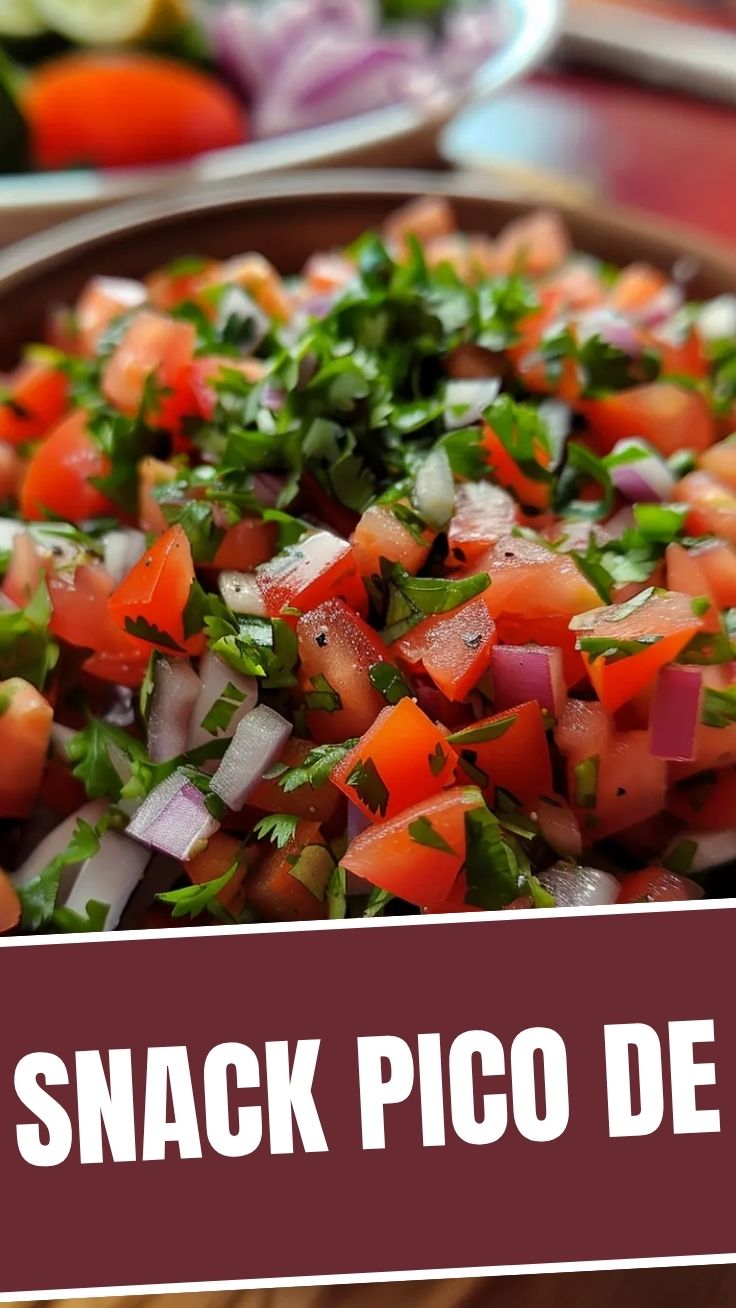
This recipe is a testament to quick culinary gratification! Your prep time will be approximately 15-20 minutes, depending on your chopping speed. There’s no cook time involved since this is a raw, fresh preparation. However, a crucial element for optimal flavor development is resting time. After mixing, allow the Pico de Gallo to rest in the refrigerator for at least 30 minutes, ideally an hour. This allows the flavors to meld and harmonize, resulting in a more complex and satisfying salsa fresca. Planning ahead ensures the best taste experience!
Step-by-Step Instructions
1. Prepare the Tomatoes: Wash and core the tomatoes. Dice them into small, approximately 1/4-inch pieces. For a less watery Pico de Gallo, you can gently scoop out some of the internal pulp and seeds before dicing. Place the diced tomatoes in your mixing bowl.
2. Dice the Onion: Peel and finely dice the white onion. Aim for pieces similar in size to the tomatoes for an even distribution of flavor and texture. Add to the bowl.
3. Mince the Jalapeño: Wash the jalapeño. For mild heat, slice it in half lengthwise, remove the seeds and white membrane, then finely mince. For more heat, leave some or all of the seeds. Be cautious when handling chili peppers and wash your hands thoroughly afterward. Add to the bowl.
4. Chop the Cilantro: Wash and thoroughly dry the fresh cilantro. Coarsely chop it, ensuring no large stems are included. Add to the bowl.
5. Combine and Season: Add the freshly squeezed lime juice and salt to the bowl with all the prepared ingredients. Mix gently with a spoon or spatula until everything is well combined.
6. Rest for Flavor: Cover the bowl and refrigerate the salsa fresca for at least 30 minutes. This resting period is vital for the flavors to meld beautifully.
Nutritional Benefits & Advantages
Crafting your own Pico de Gallo offers a wealth of nutritional goodness. Tomatoes are rich in lycopene, a powerful antioxidant, and Vitamin C. Onions provide beneficial prebiotics and flavonoids, while jalapeños contain capsaicin, known for its anti-inflammatory properties. Cilantro is packed with vitamins K and A. All these ingredients contribute to a low-calorie, nutrient-dense condiment that adds freshness and flavor without excessive fats or sugars, making it a fantastic addition to a balanced diet.
Tips, Variations & Cooking Advice
- Spice Level: Adjust the jalapeño quantity and whether you include seeds to tailor the heat to your preference. For an even bolder kick, consider adding a pinch of cayenne pepper.
- Flavor Boosts: A small amount of finely minced garlic (1 clove) can add another layer of aromatic complexity. A tiny splash of apple cider vinegar can also enhance the acidity and shelf life.
- Fruit Fiesta: For a refreshing twist, add diced mango, pineapple, or even cucumber to your salsa fresca. These additions are fantastic alongside grilled fish or chicken.
- Serving Suggestions: Beyond tacos and burritos, Pico de Gallo is excellent with scrambled eggs, grilled meats, as a dip for plantain chips, or even spooned over avocado toast.
Common Mistakes to Avoid
- Over-Chopping: Don’t finely mince all ingredients into a paste. The charm of Pico de Gallo lies in its chunky, rustic texture.
- Too Much Liquid: Be mindful of excessively seedy or watery tomatoes. Draining some liquid or seeding them helps prevent a soupy salsa.
- Skipping the Rest: Rushing to serve without allowing the flavors to meld is a common oversight. The resting period significantly improves the taste.
- Stale Ingredients: The secret to great Pico de Gallo is fresh, high-quality ingredients. Avoid using limp cilantro or unripe tomatoes.
Storage & Meal Prep Tips
Store leftover Pico de Gallo in an airtight container in the refrigerator. It will stay fresh for up to 3-4 days, though the tomatoes may start to soften and release more liquid over time. Freezing is generally not recommended for salsa fresca as it will alter the texture of the fresh vegetables, making them mushy upon thawing. For meal prep, you can chop all the ingredients in advance and store them separately, then combine and add lime juice just before serving for optimal freshness.
Conclusion
Mastering homemade Pico de Gallo is a culinary triumph that brings vibrant flavors and fresh nutrition to your table. This simple yet profound salsa fresca proves that often, the best things in life (and in the kitchen) come from quality ingredients, a little patience, and a dash of passion. Don’t hesitate – gather your fresh produce and embark on this delicious journey. We encourage you to try this recipe, share your vibrant creations in the comments below, and explore our other related content for more culinary inspiration!
FAQs
Q1: Can I make Pico de Gallo ahead of time for a party?
A1: Yes, you can make it 1-2 days in advance. The flavors will deepen, but the tomatoes might release more liquid. Stir gently before serving.
Q2: What’s the difference between Pico de Gallo and other salsas?
A2: Pico de Gallo, or salsa fresca, is characterized by its chunky, uncooked nature and fresh ingredients. Other salsas might be blended, cooked, or have a more liquid consistency.
Q3: My Pico de Gallo tastes bland. What can I do?
A3: This often means it needs more salt or lime juice. Add a small pinch of salt and a squeeze of lime, mix, and taste again. A tiny pinch of cumin can also enhance the depth of flavor.
Q4: How can I reduce the acidity if it’s too tart?
A4: If it’s too tart, you can try adding a tiny pinch of sugar to balance the acidity of the lime juice. Ensure your tomatoes are ripe, as under-ripe tomatoes can also contribute to tartness.