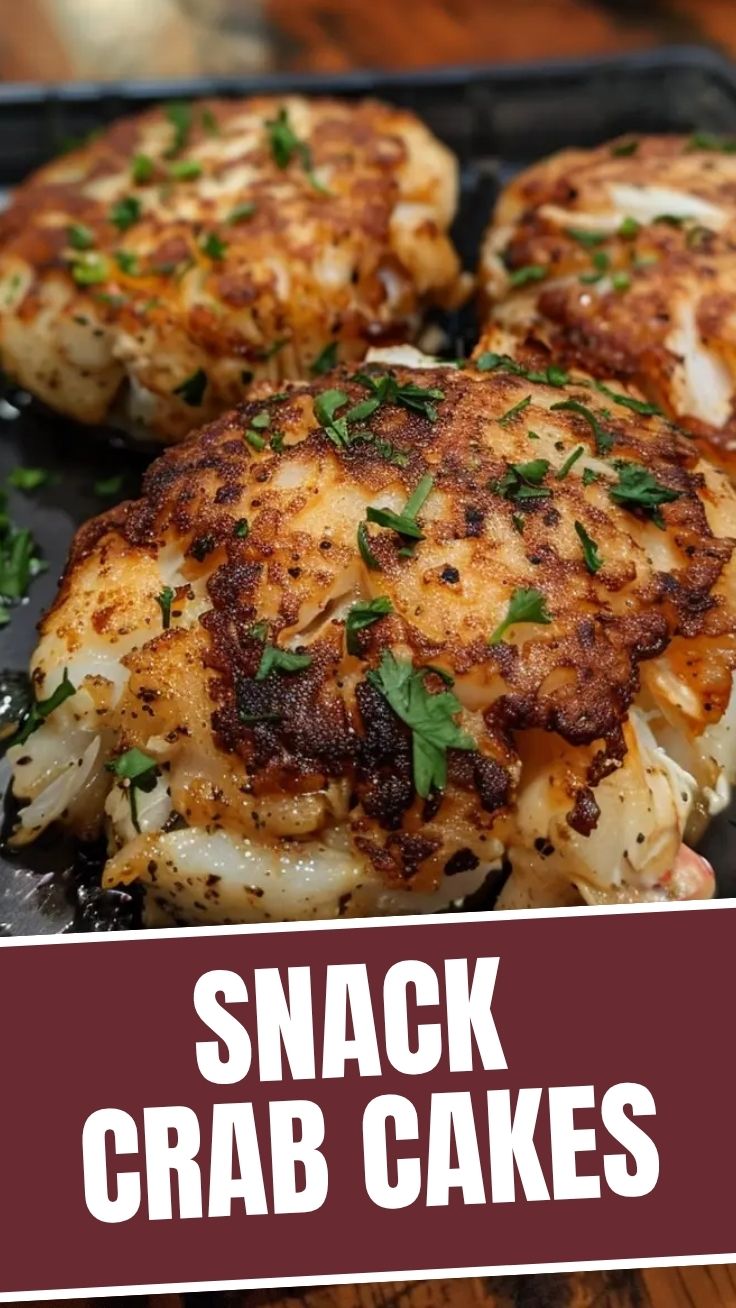
Master the Art of Crab Cakes (Maryland Style) at Home: A Definitive Guide
Craving that unmistakable taste of the Chesapeake Bay? Imagine sinking your teeth into a perfectly golden-brown, succulent crab cake, bursting with sweet, flaky crab meat and just the right amount of seasoning. What if you could recreate that culinary masterpiece in your own kitchen? Preparing authentic Crab Cakes (Maryland Style) at home isn’t just about saving money; it’s about unlocking a world of fresh flavors, controlling your ingredients, and impressing your loved ones with a dish that sings of the sea. Dive into this comprehensive guide and discover how to craft the most delectable crab cakes, leveraging the unparalleled sweetness of Maryland Blue Crab and time-honored techniques.
Ingredients & Kitchen Tools
Crafting the perfect Crab Cakes (Maryland Style) requires a balance of fresh ingredients and essential tools.
- 1 lb Jumbo Lump Crab Meat: The star of the show. Insist on high-quality Maryland Blue Crab, picked over for shells. Its sweet, delicate flavor is unmatched.
- 1/4 cup Mayonnaise: Binds the ingredients and adds richness. Use a good quality brand for the best flavor.
- 1 large Egg: Further binds the mixture and helps with structure.
- 1 tbsp Dijon Mustard: Adds a tangy, nuanced background flavor that complements the crab.
- 1 tbsp Worcestershire Sauce: Provides umami depth and a subtle savoriness.
- 1 tsp Old Bay Seasoning (or to taste): The iconic Maryland seasoning. Don’t skimp, but don’t overdo it.
- 1/4 cup Fresh Parsley, chopped: Adds freshness and a touch of color.
1/2 cup Saltine Crackers, finely crushed: The classic binder for Maryland crab cakes, offering a neutral flavor and crisp texture when cooked. Substitution: Panko breadcrumbs for a lighter texture.*
- 1 tbsp Lemon Juice (freshly squeezed): Brightens the flavors.
- 2-3 tbsp Vegetable Oil or Butter: For pan-frying.
- Large Mixing Bowl: For combining ingredients.
- Spatula or Wooden Spoon: For gentle mixing.
- Measuring Cups and Spoons: For accurate ingredient quantities.
- Large Skillet/Frying Pan: For cooking the crab cakes.
- Baking Sheet with Wire Rack: For draining excess oil.
Prep Time & Cooking Schedule
- Prep Time: 15-20 minutes
- Chill Time: 30 minutes (minimum, but 1 hour is ideal for firming up)
- Cook Time: 8-10 minutes per batch
- Total Time: Approximately 1 hour to 1 hour 30 minutes
The brief chill time is crucial; it allows the crab cakes to firm up, preventing them from falling apart during cooking. Plan ahead to ensure this important step isn’t rushed.
Step-by-Step Instructions
1. Prepare the Wet Ingredients: In your large mixing bowl, whisk together the mayonnaise, egg, Dijon mustard, Worcestershire sauce, Old Bay seasoning, and lemon juice until well combined and smooth. This forms the flavorful base for your Crab Cakes (Maryland Style).
2. Add Crackers and Parsley: Gently fold in the finely crushed saltine crackers and chopped fresh parsley into the wet mixture. Let it sit for a minute or two to allow the crackers to absorb some of the liquid.
3. Incorporate the Crab: This is the most crucial step for maintaining the integrity of your crab cakes. Add the picked Maryland Blue Crab meat to the bowl. Using a spatula or your hands, very gently fold the crab into the mixture. The goal is to bind it just enough without breaking up the delicate jumbo lumps. You want distinct pieces of crab, not a shredded mush.
4. Form the Crab Cakes: Gently form the mixture into patties, approximately 1/2 to 3/4 inch thick and 3 inches in diameter. Avoid compacting them too much, as this can make them dense. You should get about 6-8 crab cakes.
5. Chill: Place the formed crab cakes on a plate or baking sheet and refrigerate for at least 30 minutes. This firms them up, making them easier to handle and less likely to fall apart during cooking.
6. Cook the Crab Cakes: Heat 1-2 tablespoons of vegetable oil or butter in a large skillet over medium-high heat. Once the pan is hot, carefully place the crab cakes in the skillet, ensuring not to overcrowd the pan. Cook for 4-5 minutes per side, or until golden brown and heated through. Adjust heat as needed to prevent burning.
7. Serve: Transfer the cooked crab cakes to a wire rack set over a baking sheet to drain any excess oil. Serve immediately with lemon wedges, tartar sauce, or a remoulade.
Nutritional Benefits & Advantages
Crab meat is an excellent source of lean protein, essential for muscle repair and growth. It’s also rich in Omega-3 fatty acids, which support heart health and reduce inflammation. Furthermore, crab provides vital minerals like selenium, zinc, and copper, contributing to immune function and antioxidant defense. By making them at home, you can control the amount of fat and sodium, making them a healthier choice than many restaurant versions.
Tips, Variations & Cooking Advice
- Baking Option: For a lighter alternative, bake the crab cakes at 375°F (190°C) for 15-20 minutes, or until golden brown. Lightly brush with butter or oil before baking.
- Spice It Up: Add a pinch of cayenne pepper or a dash of hot sauce to the mixture for an extra kick.
- Herb Variations: Experiment with other fresh herbs like chives or dill for different flavor profiles.
- Gluten-Free: Substitute crushed gluten-free crackers or gluten-free breadcrumbs for the saltines.
- Dairy-Free: Ensure your mayonnaise is dairy-free, or make your own using an oil like avocado oil.
Common Mistakes to Avoid
- Overmixing the Crab: This is the cardinal sin of crab cake making. Overmixing breaks down the delicate crab lumps, resulting in a mushy texture. Treat the crab gently.
- Too Much Binder: Adding too many crackers or breadcrumbs can overpower the crab flavor and make the cakes dense. Stick to the recommended amount.
- Not Chilling: Skipped chilling leads to crumbly crab cakes that fall apart in the pan. The chill time is non-negotiable.
- Overcrowding the Pan: Frying too many at once lowers the pan temperature, resulting in greasy, soggy crab cakes instead of beautifully seared ones. Cook in batches if necessary.
Storage & Meal Prep Tips
Leftover Crab Cakes (Maryland Style) can be stored in an airtight container in the refrigerator for up to 2-3 days. To reheat, gently warm them in a skillet over medium-low heat or bake them in a preheated oven at 300°F (150°C) until warmed through. Freezing cooked crab cakes is possible; wrap them individually in plastic wrap, then place them in a freezer-safe bag or container for up to 1 month. Thaw overnight in the refrigerator before reheating. Uncooked patties can also be frozen, separated by parchment paper, then thawed and cooked as directed.
Conclusion
Mastering the art of homemade Crab Cakes (Maryland Style) is a rewarding culinary endeavor that brings the authentic taste of the coast right to your dining table. By following these detailed steps, prioritizing the delicate structure of Maryland Blue Crab, and paying attention to gentle handling, you’re guaranteed to create a dish that’s both elegant and incredibly delicious. Don’t be shy – give this recipe a try, share your triumphs, and savor the experience of bringing this iconic dish to life!
FAQs
Q1: Can I use different types of crab meat?
A1: While jumbo lump Maryland Blue Crab is highly recommended for the best flavor and texture in Crab Cakes (Maryland Style), you can use other types of lump crab meat. Just ensure it’s fresh and picked clean of shells.
Q2: What’s the best way to prevent crab cakes from falling apart?
A2: The key is gentle handling during mixing, not over-binding, and most importantly, chilling the formed patties for at least 30 minutes before cooking. This helps them firm up and maintain their shape.
Q3: Can I bake these crab cakes instead of pan-frying?
A3: Absolutely! For a lighter option, preheat your oven to 375°F (190°C), lightly brush the crab cakes with oil or melted butter, and bake for 15-20 minutes, flipping halfway through, until golden and heated through.
Q4: How can I adjust the seasoning if I don’t have Old Bay?
A4: You can create a similar flavor profile with a mix of celery salt, smoked paprika, black pepper, and a pinch of cayenne. However, Old Bay is distinctive, so consider it a worthwhile investment if you plan to make crab dishes often.
Q5: What are some good side dishes to serve with crab cakes?
A5: Classic accompaniments include coleslaw, roasted asparagus, corn on the cob, a simple green salad, or rice pilaf. A fresh lemon wedge and homemade tartar sauce or remoulade are also essential.