Unlock the Secret to the Perfect Pot Roast: Your Ultimate Guide
Ever wondered if you could replicate that melt-in-your-mouth Pot Roast experience right in your own kitchen? The answer is a resounding yes! Forget bland, dry attempts; this comprehensive guide will empower you to create a culinary masterpiece that will impress even the most discerning palates. Preparing this iconic dish at home offers unparalleled freshness, customizable flavors, and the undeniable satisfaction of knowing exactly what goes into your meal. We’re about to dive deep into mastering the art of the perfect Slow Cooker creation, ensuring every bite is tender, juicy, and packed with savory goodness. Get ready to transform your dinner table with a dish that speaks volumes about comfort and flavor.
Ingredients & Kitchen Tools
Crafting an unforgettable Pot Roast requires a thoughtful selection of ingredients and the right culinary arsenal.
- 3-4 lb Chuck Roast: The star of our show. Look for well-marbled cuts for maximum tenderness and flavor.
- 1 large Yellow Onion: Quartered, provides a foundational sweetness that caramelizes beautifully.
- 4-5 Carrots: Peeled and cut into large chunks. Adds earthy sweetness and vibrant color.
- 3-4 Celery Stalks: Roughly chopped. Contributes aromatic depth to the broth.
- 4 cloves Garlic: Minced. Infuses the dish with pungent, savory notes.
- 4 cups Beef Broth: Low sodium preferred, allows for better seasoning control.
- 1 tbsp Olive Oil: For searing the chuck roast, developing a rich crust.
- 2 tbsp All-Purpose Flour (optional): For thickening the gravy if desired.
- 1 tsp Dried Thyme: Classic herb for roast, offering an earthy, slightly minty flavor.
- 1 tsp Dried Rosemary: Another traditional pairing, delivering a piney aroma.
- Salt & Freshly Ground Black Pepper: To taste. Essential for enhancing all the flavors.
- 1-2 sprigs Fresh Rosemary & Thyme (for garnish, optional): Elevates presentation.
- Large Slow Cooker (6-8 quart): The ideal vessel for slow, even cooking. A Dutch oven or oven-safe pot with a lid can also be used for oven-braising.
- Tongs: For easy handling of the meat.
- Cutting Board & Sharp Knife: For ingredient preparation.
Prep Time & Cooking Schedule
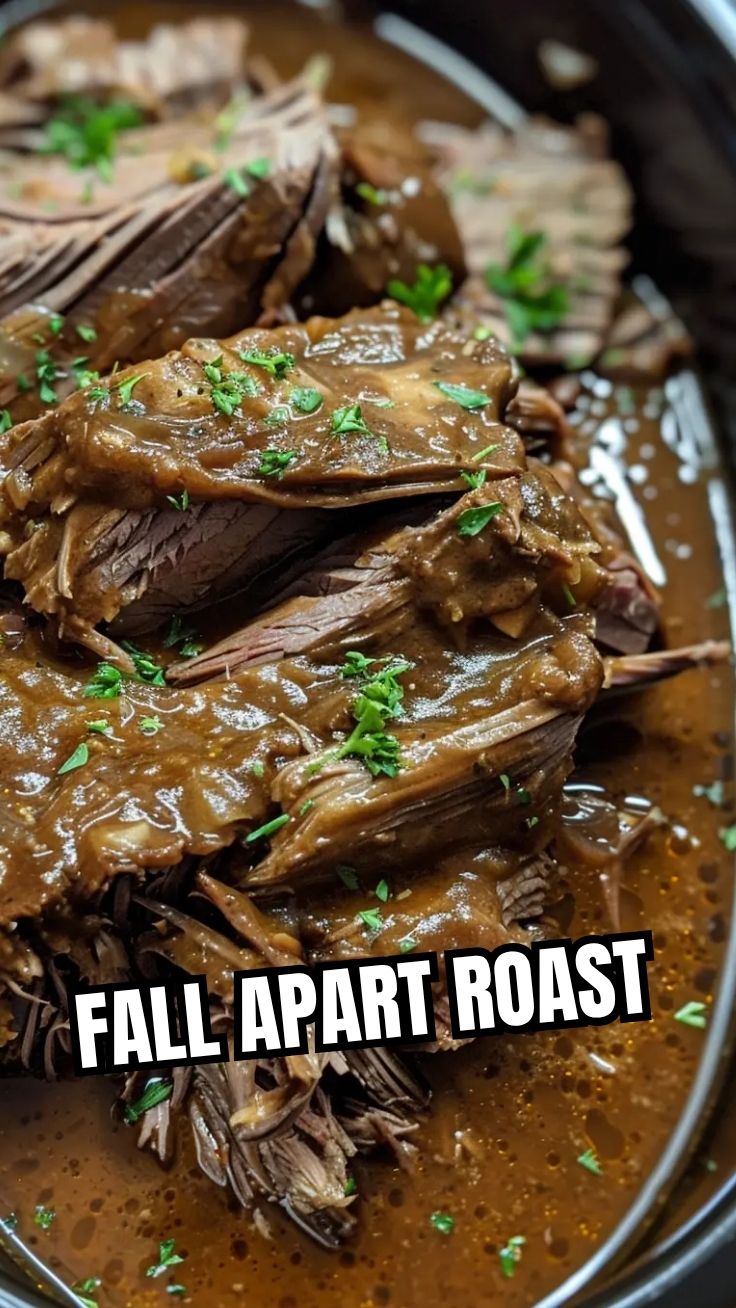
Planning is key to a stress-free cooking experience. This recipe is designed for maximum flavor with minimal hands-on time.
- Prep Time: 20-25 minutes
- Cook Time: 6-8 hours on Low, 3-4 hours on High (for Slow Cooker); 3-4 hours in a Dutch oven at 325°F (160°C).
- Resting Time: 15-20 minutes, allows juices to redistribute for a tenderer result.
For a weeknight meal, start your Slow Cooker in the morning for a delicious dinner waiting for you when you get home. If oven-braising, factor in the resting time before serving.
Step-by-Step Instructions
Follow these precise steps to achieve a perfectly tender and flavorful Pot Roast.
1. Prepare the Chuck Roast: Pat the chuck roast dry with paper towels. Season generously on all sides with salt and freshly ground black pepper. This initial seasoning is crucial for building flavor.
2. Sear for Flavor: Heat olive oil in a large skillet or Dutch oven over medium-high heat until shimmering. Carefully place the seasoned roast in the hot pan and sear until deeply browned on all sides, about 3-4 minutes per side. This step develops a rich, savory crust through the Maillard reaction. Remove the seared roast and set aside.
3. Sauté Aromatics: In the same pan (add a little more oil if needed), add the quartered onions, carrot chunks, and chopped celery. Sauté for 5-7 minutes until softened and slightly caramelized. Add the minced garlic and cook for another minute until fragrant.
4. Deglaze (if using skillet): If using a skillet for searing, carefully pour in about ½ cup of beef broth and scrape the bottom of the pan with a wooden spoon to release any browned bits. This adds immense flavor to your braising liquid. Transfer the aromatics and deglazing liquid to your Slow Cooker.
5. Assemble the Slow Cooker: Place the seared chuck roast on top of the vegetables in the Slow Cooker. Pour in the remaining beef broth. Sprinkle with dried thyme and rosemary.
6. Cook to Perfection: Cover the Slow Cooker and cook on low for 6-8 hours, or on high for 3-4 hours, until the meat is fork-tender and easily shreds. For oven-braising, cover the Dutch oven tightly and bake at 325°F (160°C) for 3-4 hours.
7. Rest and Serve: Carefully remove the roast from the Slow Cooker and transfer it to a cutting board. Tent loosely with foil and let it rest for 15-20 minutes. This allows the juices to redistribute, ensuring a moist and tender result.
8. Make the Gravy (Optional): While the roast rests, skim any excess fat from the cooking liquid. For a thicker gravy, transfer the liquid to a saucepan. In a separate bowl, whisk together 2 tablespoons of flour with 2 tablespoons of cold water to form a slurry. Whisk the slurry into the simmering liquid and cook, stirring constantly, until thickened to your desired consistency.
9. Shred and Enjoy: Shred the rested Pot Roast with two forks. Serve immediately with the vegetables and gravy, garnished with fresh herbs if desired.
Nutritional Benefits & Advantages
This hearty Pot Roast is more than just comfort food; it’s a nutritional powerhouse. Beef chuck roast is an excellent source of protein, essential for muscle building and repair, as well as iron, which is vital for oxygen transport in the blood. The root vegetables—carrots, celery, and onions—provide a generous dose of vitamins, minerals, and dietary fiber, supporting digestive health and offering antioxidant benefits. When prepared in a Slow Cooker, the low and slow cooking method helps tenderize the meat while preserving nutrients and creating a flavorful broth rich in collagen.
Tips, Variations & Cooking Advice
- Flavor Boosters: For an even richer flavor, add a splash of red wine or a tablespoon of Worcestershire sauce to the braising liquid.
- Herb Twist: Experiment with bay leaves, marjoram, or even a hint of smoked paprika for different aromatic profiles.
- Vegetable Medley: Incorporate other root vegetables like baby potatoes, parsnips, or turnip chunks during the last few hours of cooking.
- Spice It Up: A pinch of red pepper flakes can add a subtle kick if you enjoy a little heat.
- Thickening Alternatives: Instead of flour, you can use cornstarch slurry (1 tbsp cornstarch to 2 tbsp cold water) for a gluten-free gravy.
- Portion Control: This recipe yields several servings, making it perfect for meal prepping. You can easily halve the recipe for smaller households.
Common Mistakes to Avoid
- Not Searing the Meat: Skipping the searing step robs your Pot Roast of a crucial layer of flavor. Don’t rush this part!
- Undercooking: Tough meat is the ultimate sin. A good Pot Roast should be fall-apart tender. Cook until it easily shreds.
- Overcrowding the Slow Cooker: Too many ingredients can prevent even cooking. Use an appropriately sized Slow Cooker or Dutch oven.
- Not Seasoning Enough: Blandness is often due to insufficient seasoning at each stage. Taste and adjust.
- Cutting Vegetables Too Small: Small pieces of vegetables will turn to mush during the long cooking time. Cut them into larger chunks.
Storage & Meal Prep Tips
Leftover Pot Roast is a culinary gift! Store cooled leftovers in airtight containers in the refrigerator for up to 3-4 days. For longer storage, freeze portions in freezer-safe bags or containers for up to 2-3 months. Thaw frozen portions overnight in the refrigerator before reheating gently on the stovetop or in the microwave, adding a splash of broth if needed to prevent drying out. It’s fantastic for meal prep, providing delicious lunches or dinners throughout the week.
Conclusion
Mastering the art of the perfect Pot Roast is a deeply rewarding culinary journey. With this guide, you now possess the knowledge and techniques to create a truly exceptional dish that will become a beloved staple in your home. Whether you opt for the convenience of a Slow Cooker or the traditional approach of oven-braising, the result will be a tender, flavorful, and comforting meal that speaks volumes. We encourage you to try this recipe, experiment with variations, and share your delicious creations!
FAQs
Q1: Can I use a different cut of beef?
A1: While chuck roast is ideal due to its marbling and connective tissue that breaks down wonderfully during slow cooking, you could also use beef brisket or round roast, though they might require slight adjustments in cooking time.
Q2: What if my gravy is too thin?
A2: If your gravy is too thin after simmering, you can make a cornstarch slurry (1 tbsp cornstarch mixed with 2 tbsp cold water) and whisk it into the simmering liquid a little at a time until it reaches your desired consistency.
Q3: Can I add potatoes directly with the roast?
A3: Yes, you can add small waxy potatoes (like new potatoes or red potatoes) during the last 2-3 hours of cooking in the Slow Cooker. Avoid adding them too early, or they might become mushy.
Q4: How can I make this recipe gluten-free?
A4: To make it gluten-free, ensure your beef broth is gluten-free and use a cornstarch slurry instead of flour for thickening the gravy.
Q5: My roast is still tough after the recommended cooking time. What went wrong?
A5: Toughness usually indicates it needs more cooking time. Cooking times can vary based on the specific cut, appliance, and even altitude. Continue cooking until the meat is fork-tender. It’s almost impossible to overcook a chuck roast in a Slow Cooker to the point of being tough; usually, it just gets more tender.