Savor the Flavor: Your Guide to Delicious and Healthy Weight Loss BBQ Recipes
Tired of sacrificing flavor for health, especially when it comes to the irresistible char and smoky goodness of a barbecue? What if we told you that you could indulge in mouth-watering BBQ dishes without derailing your wellness goals? With summer in full swing and gatherings aplenty, discover how to whip up incredibly healthy weight loss BBQ recipes right in your own backyard. Preparing these dishes at home offers unparalleled control over ingredients, allowing you to sidestep hidden sugars, excessive fats, and artificial additives often found in store-bought alternatives. By embracing smart ingredient swaps and mindful cooking techniques, you can enjoy all the robust flavors of classic barbecue while nourishing your body. This guide will show you how straightforward it is to create healthy grilling recipes that tantalize your taste buds and support your journey towards a healthier lifestyle.
Ingredients & Kitchen Tools
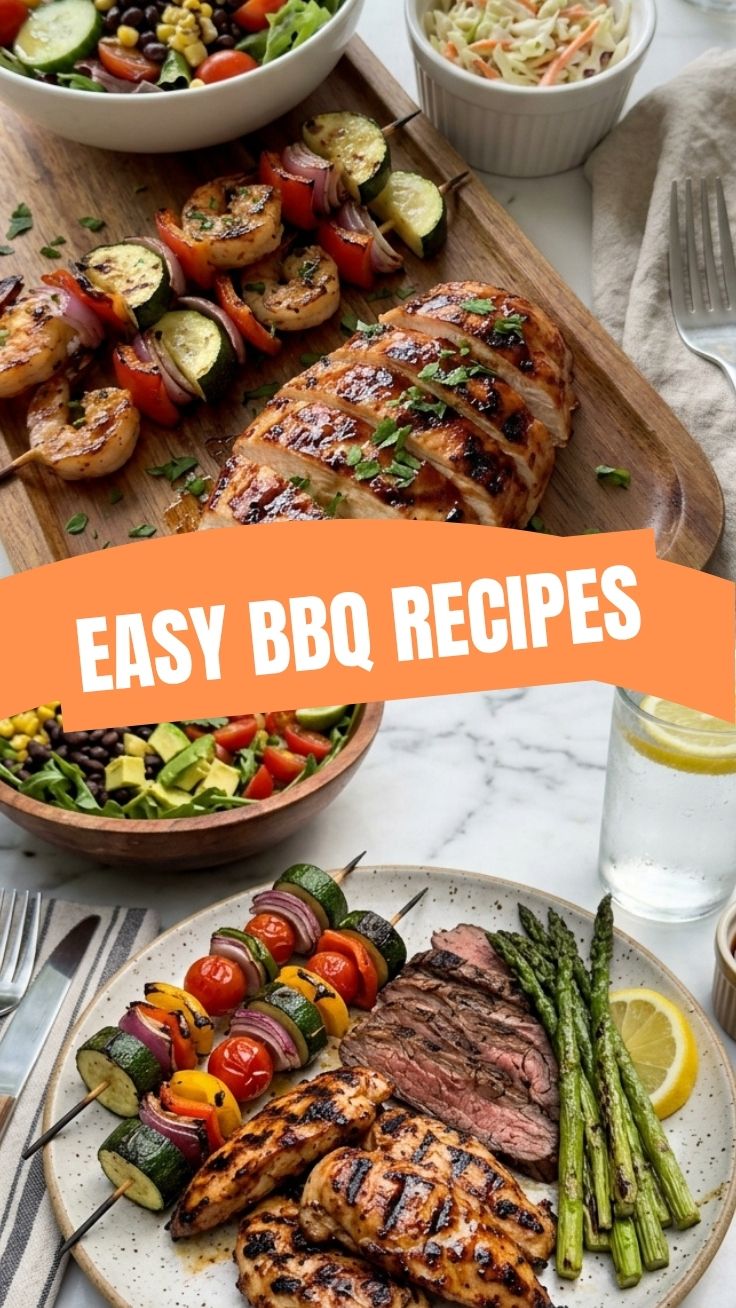
- Lean Protein (Chicken Breast, Fish, Turkey Burgers): Opt for skinless chicken breasts, firm white fish (cod, halibut), or ground turkey for a protein-packed, low-fat base. Clarification: These are excellent sources of lean protein for satiety and muscle maintenance.
- Fresh Vegetables (Bell Peppers, Zucchini, Onions, Corn-on-the-Cob): A colorful array adds fiber, vitamins, and antioxidants. Clarification: Look for vibrant, crisp vegetables for maximum flavor and nutrition.
- Low-Sugar BBQ Sauce: Choose a brand with minimal added sugar or make your own with apple cider vinegar, tomato paste, and spices. Clarification: Traditional BBQ sauces can be sugar bombs; always check labels.
- Herbs & Spices (Paprika, Garlic Powder, Onion Powder, Cumin, Chili Powder, Black Pepper): Essential for building deep flavor without relying on excess salt or fat. Clarification: These natural seasonings are your best friends for taste.
- Healthy Fats (Olive Oil, Avocado Oil): For light marinades and grilling. Clarification: Use sparingly, as a little goes a long way.
- Lemon/Lime Juice: Adds brightness and helps tenderize meat. Clarification: A natural flavor enhancer.
- Grill or Grill Pan: For that authentic smoky taste and char. Clarification: Ensure it’s clean and preheated.
- Tongs: For easy turning of food.
- Basting Brush: For applying marinades and sauces.
- Meat Thermometer: To ensure proper cooking and food safety.
- Bowls & Whisk: For mixing marinades.
- Optional Substitutions: Sweet potatoes for corn, portobello mushrooms for meatless options, Greek yogurt as a healthy dressing base.
Prep Time & Cooking Schedule
- Prep Time: 20-30 minutes (includes chopping veggies and mixing marinades)
- Marinating Time: 30 minutes to 2 hours (for maximum flavor, especially with chicken or fish. Avoid over-marinating tender fish.)
- Cook Time: 15-25 minutes (varies by protein and grill temperature)
- Resting Time: 5-10 minutes (for meats, allows juices to redistribute, leading to a more tender result)
Context: The beauty of these healthy BBQ dishes lies in their relatively quick preparation. A short marinating period can significantly enhance flavor without requiring extensive planning, making them perfect for weeknight meals or impromptu gatherings. Starting your prep by chopping vegetables allows them to absorb marinade while you prepare proteins, streamlining the entire cooking process.
Step-by-Step Instructions
1. Prepare Proteins: Trim any visible fat from your chosen lean protein. Cut into even portions to ensure uniform cooking. For fish, pat dry thoroughly.
2. Mix Marinade: In a bowl, combine 2 tablespoons olive oil, 1 tablespoon lemon juice, 1 teaspoon each of paprika, garlic powder, onion powder, and a pinch of black pepper. Whisk well. This simple marinade is a cornerstone of healthy weight loss BBQ recipes, infusing robust flavor without added calories.
3. Marinate: Place your protein in the marinade, ensuring it’s fully coated. Cover and refrigerate for at least 30 minutes, or up to 2 hours.
4. Chop Vegetables: While the protein marinates, chop bell peppers, zucchini, and onions into large, grill-friendly pieces. Drizzle with a tiny bit of olive oil and a sprinkle of salt and pepper.
5. Preheat Grill: Preheat your grill to medium-high heat (375-400°F or 190-205°C). Ensure the grates are clean and lightly oiled to prevent sticking, a crucial step for achieving perfect healthy grilling recipes.
6. Grill Protein: Place marinated protein on the hot grill. Cook chicken for 6-8 minutes per side (until internal temperature reaches 165°F/74°C), fish for 3-5 minutes per side (until flaky), and turkey burgers for 5-7 minutes per side (until internal temperature is 165°F/74°C). Use a meat thermometer to confirm doneness.
7. Grill Vegetables: Alongside the protein, grill the chopped vegetables. Cook for 5-7 minutes, turning occasionally, until tender-crisp and slightly charred. Corn-on-the-cob can be grilled directly for 10-15 minutes, rotating frequently.
8. Baste (Optional): During the last few minutes of cooking, you can lightly baste the protein with a low-sugar BBQ sauce for an extra layer of flavor.
9. Rest and Serve: Once cooked, remove protein from the grill and let it rest for 5-10 minutes before slicing or serving. This helps retain juices. Serve immediately with grilled vegetables.
Nutritional Benefits & Advantages
These healthy weight loss BBQ recipes are packed with lean protein, promoting satiety and supporting muscle mass, which is vital for a healthy metabolism. The abundant fresh vegetables provide essential fiber, vitamins, and antioxidants, aiding digestion and boosting overall well-being. By controlling ingredients, you drastically reduce intake of saturated fats, sugar, and sodium, major contributors to weight gain and chronic diseases. Grilling itself is a cooking method that requires little added fat, further minimizing caloric intake while enhancing flavor. This approach allows for a nutrient-dense meal that is both satisfying and beneficial for long-term health.
Tips, Variations & Cooking Advice
- Flavor Boost: Create a dry rub in advance with your favorite spices. Apply generously an hour before grilling.
- Ingredient Swaps: Swap bell peppers for asparagus or broccoli florets. Use chicken thighs (skinless) for a slightly richer, but still lean, option.
- Vegetarian Option: Marinate large portobello mushroom caps in the same marinade and grill them as a hearty plant-based alternative.
- Alternative Cooking: If grilling isn’t an option, these can be baked in an oven or cooked on a stovetop grill pan. Adjust cooking times accordingly.
- Portion Control: Use a food scale to ensure appropriate portion sizes, particularly for proteins, to stay within your dietary goals.
- Dietary Adaptations: For gluten-free, ensure your BBQ sauce is certified GF. For dairy-free, no dairy is typically needed in this recipe.
Common Mistakes to Avoid
- Overcrowding the Grill: This lowers the grill temperature and steams food instead of searing it, leading to less appealing results. Cook in batches if necessary.
- Not Preheating: Placing food on a cold grill causes sticking and prevents that desirable char.
- Flipping Too Soon: Resist the urge to flip repeatedly. Let the food cook undisturbed until it naturally releases from the grates.
- Overcooking Protein: Lean proteins can dry out quickly. Use a meat thermometer to ensure they reach the correct internal temperature without exceeding it.
- Using High-Sugar Sauces Early: Applying high-sugar BBQ sauces too early can cause them to burn before the meat is cooked through. Add them closer to the end.
Storage & Meal Prep Tips
Leftover grilled protein and vegetables are excellent for meal prep. Store them in airtight containers in the refrigerator for up to 3-4 days. This makes for quick, healthy lunches or dinners throughout the week. For longer storage, cooked chicken and lean fish can be frozen for up to 2-3 months. Thaw in the refrigerator overnight. Reheat gently in a microwave or a pan with a splash of broth to prevent drying out. Grilled vegetables reheat well in a pan or oven, maintaining their texture better than in a microwave.
Conclusion
Embracing healthy weight loss BBQ recipes doesn’t mean sacrificing the joy and flavor of outdoor cooking. By focusing on lean proteins, fresh vegetables, and mindful seasoning, you can create incredibly satisfying dishes that support your health goals. This guide has equipped you with the knowledge and steps to confidently prepare delicious and nutritious meals, proving that healthy grilling recipes can be both simple and spectacularly flavorful. We encourage you to try these recipes, experiment with your favorite spices, and share your culinary successes! What are your go-to healthy BBQ secrets? Let us know in the comments below!
FAQs
Q1: Can I use frozen vegetables for grilling?
A1: While fresh is always best for grilling to avoid excess water content, you can use frozen vegetables like bell peppers or onions if thoroughly thawed and patted dry before grilling. Corn-on-the-cob, however, is best fresh or pre-cooked.
Q2: How can I keep my grilled chicken from drying out?
A2: Marinating and using a meat thermometer are key. Don’t overcook—remove chickens as soon as it reaches 165°F (74°C). Resting the chicken for 5-10 minutes after grilling also helps retain moisture.
Q3: What’s a good low-carb alternative to corn on the cob?
A3: Grilled asparagus, broccoli florets, or even long slices of cabbage or romaine lettuce hearts make fantastic low-carb grilling companions that absorb smoky flavors beautifully.
Q4: How do I prevent my fish from sticking to the grill?
A4: Ensure your grill grates are very clean and well-oiled before placing the fish. Preheat the grill to the correct temperature, and don’t try to flip the fish until it has developed a good sear and naturally releases from the grates.
Q5: Can I make these recipes vegetarian or vegan?
A5: Absolutely! Portobello mushroom caps, thick slices of eggplant or zucchini, and even firm tofu or tempeh can be marinated and grilled in place of meat, offering delicious plant-based alternatives.