Fire Up Your Grill: The Ultimate Guide to Perfect Grilled Salmon
Grilled salmon has a reputation for being a restaurant-quality dish, but what if I told you that mastering high protein grilled salmon recipes at home is not only achievable but incredibly rewarding? Beyond the fantastic flavor, preparing your own healthy grilled salmon meals offers unparalleled control over ingredients, portion sizes, and cooking techniques, ensuring a delicious and nutritious meal every time. Say goodbye to guesswork and hello to perfectly flaky, flavorful salmon right from your backyard.
Ingredients & Kitchen Tools
Gathering the right components and equipment is the first step to grilling success.
- Fresh Salmon Fillets (4-6 oz each, skin-on or off): Opt for wild-caught Atlantic or Pacific salmon for the best flavor and nutritional profile. Skin-on helps keep the fish moist and prevents sticking.
- Olive Oil (Extra Virgin): A good quality oil for brushing, adding richness and preventing sticking.
- Lemon (1 large): Fresh juice brightens the flavors; slices are excellent for garnish or grilling alongside.
- Fresh Dill (2-3 sprigs): Classic pairing with salmon, offering a fresh, aromatic lift.
- Garlic (2-3 cloves, minced): Adds a pungent, savory depth.
- Salt (Kosher or Sea): Essential for seasoning, bringing out the natural flavors of the salmon.
- Black Pepper (Freshly ground): For a subtle kick and aroma.
- Optional Marinade Ingredients: Consider soy sauce, maple syrup, Dijon mustard, or ginger for a flavor twist.
- Grill (Gas or Charcoal): The star of the show. Ensure it’s clean and well-maintained.
- Grill Tongs: For safely flipping and handling the fish.
- Fish Spatula (Large, thin metal spatula): Crucial for sliding under delicate fish without breaking.
- Small Bowl: For mixing seasonings or marinades.
- Basting Brush: For applying oil or marinade.
- Instant-Read Thermometer: Ensures perfectly cooked, safe-to-eat fish.
Prep Time & Cooking Schedule
- Prep Time: 15 minutes (includes seasoning and optional marinade)
- Marinating Time (Optional): 30 minutes to 2 hours (refrigerated), or overnight for deeper flavor.
- Preheating Grill: 10-15 minutes
- Cook Time: 8-12 minutes, depending on thickness and desired doneness.
- Resting Time: 5 minutes
Planning is key. Allow ample time for any marinating you choose, and ensure your grill is properly preheated for those perfect grill marks and even cooking.
Step-by-Step Instructions
Achieving perfectly grilled salmon is all about technique and timing. Follow these steps for an unforgettable culinary experience:
1. Prepare the Salmon: Pat salmon fillets dry with paper towels. This is a crucial step for achieving crisp skin and good searing. In a small bowl, combine olive oil, minced garlic, lemon juice, chopped dill, salt, and pepper. Brush this mixture generously over both sides of the salmon. If marinating, place the salmon in a shallow dish, pour the marinade over it, and refrigerate for the desired time.
2. Preheat the Grill: Clean your grill grates thoroughly. For gas grills, preheat to medium-high heat (around 400-450°F or 200-230°C). For charcoal, arrange hot coals for direct medium-high heat. Once hot, use a paper towel dipped in high-smoke-point oil (like canola or grapeseed) held with tongs to carefully oil the grates. This helps prevent sticking.
3. Grill the Salmon (Skin-Side Down First): Place the salmon fillets, skin-side down (if applicable), directly on the hot, oiled grates. Close the lid and cook for 4-6 minutes. Resist the urge to move or flip the salmon prematurely – this allows the skin to crisp and develop a beautiful crust.
4. Flip and Finish: Using a fish spatula, carefully slide under the salmon and gently flip it. Close the lid and cook for another 4-6 minutes, or until the internal temperature reaches 140-145°F (60-63°C) for medium-rare to medium doneness. The fish should flake easily with a fork. This method works wonders for creating high protein grilled salmon recipes, ensuring both flavor and desirable texture.
5. Rest the Salmon: Once cooked, transfer the salmon to a plate and tent loosely with foil. Let it rest for 5 minutes. This allows the juices to redistribute, resulting in a more moist and tender fillet, making your healthy grilled salmon meals exceptionally delicious.
6. Serve: Garnish with fresh lemon wedges and extra dill if desired.
Nutritional Benefits & Advantages
Salmon is a nutritional powerhouse. It’s an excellent source of high-quality protein, essential for muscle repair and growth. Rich in Omega-3 fatty acids (EPA and DHA), salmon supports heart health, reduces inflammation, and boosts brain function. It also provides significant amounts of Vitamin D, B vitamins (especially B12), and minerals like selenium, promoting overall well-being and a strong immune system. Grilling is a lean cooking method, further enhancing its health advantages by minimizing added fats.
Tips, Variations & Cooking Advice
- Flavor Variations: Experiment with marinades! Try a teriyaki glaze, a spicy Cajun rub, or a sweet and tangy balsamic reduction.
- Alternative Cooking Methods: No grill? No problem! Salmon can be baked (400°F/200°C for 12-15 min), pan-seared (5-7 min per side), or even air-fried.
- Ingredient Swaps: No fresh dill? Use dried dill, parsley, or chives. Substitute lime juice for lemon.
- Doneness: For juicier salmon, aim for an internal temperature of 135°F (57°C) and let it rest; it will continue to cook slightly. For well-done, target 145°F (63°C).
- Portion Control: A standard serving size is about 4-6 ounces (113-170 grams) per person.
Common Mistakes to Avoid
- Not Patting Dry: Wet salmon steams rather than sears, preventing a crispy exterior.
- Under-oiling the Grates: Leads to sticking, which can tear the delicate fish.
- Flipping Too Early: Patience is key. Let the fish cook undisturbed until it naturally releases from the grill.
- Overcooking: Salmon dries out quickly. Use an instant-read thermometer for precision.
- Grilling Cold Salmon: Always bring salmon close to room temperature for even cooking (about 15-20 minutes out of the fridge).
Storage & Meal Prep Tips
Leftover grilled salmon is fantastic for meal prep! Store cooked salmon in an airtight container in the refrigerator for up to 3-4 days. It’s delicious cold in salads, flaked into wraps, or added to pasta. To reheat, gently warm in a microwave on low power, in a pan over low heat with a splash of water or broth, or in an oven at 275°F (135°C) until just warmed through to avoid drying it out. Freezing cooked salmon is possible but can alter the texture; it’s best consumed within 1-2 months.
Conclusion
Mastering grilled salmon at home is a culinary triumph that’s well within your reach. With the right ingredients, a few simple techniques, and a bit of practice, you’ll be consistently creating high protein grilled salmon recipes that impress and nourish. These healthy grilled salmon meals are not only incredibly flavorful but also packed with essential nutrients, making them a perfect choice for any weeknight or special occasion. Don’t hesitate—fire up that grill and savor the satisfaction of a perfectly cooked fillet. Share your grilling successes in the comments below!
FAQs
Q1: How do I prevent salmon from sticking to the grill?
A1: Ensure your grill grates are clean and preheated to the correct temperature. Then, generously oil the hot grates before placing the salmon on them. Patting the salmon dry also helps significantly.
Q2: What’s the best way to tell if salmon is cooked through?
A2: The most reliable method is using an instant-read thermometer. For medium-rare to medium, aim for an internal temperature of 140-145°F (60-63°C). Visually, the flesh should be opaque throughout and flake easily with a fork.
Q3: Can I grill frozen salmon?
A3: It’s strongly recommended to thaw salmon completely before grilling. Grilling from frozen will result in uneven cooking and a less desirable texture. Thaw overnight in the refrigerator or using cold running water.
Q4: What side dishes pair well with grilled salmon?
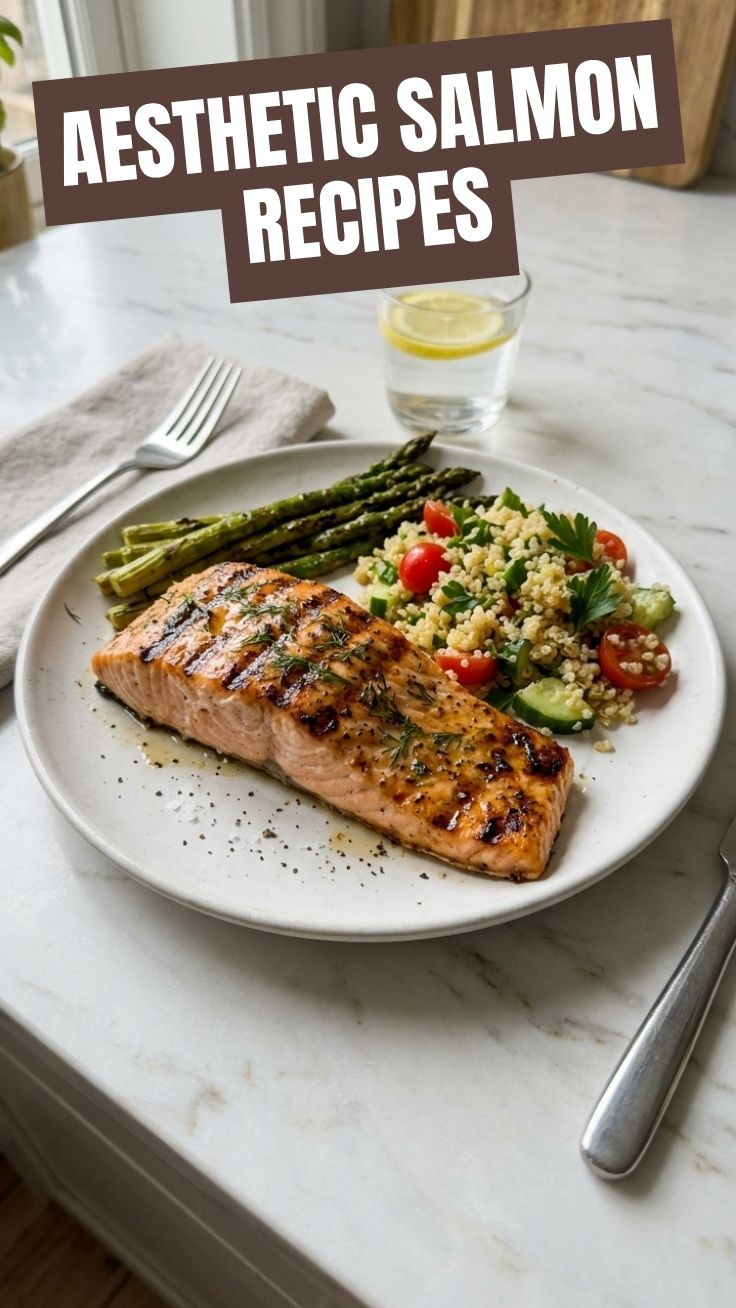
A4: Grilled salmon is incredibly versatile. It pairs wonderfully with roasted asparagus, grilled vegetables, a fresh green salad, quinoa, couscous, or a simple rice pilaf. Lemon-herb flavors often complement these choices.
Q5: Is it better to grill salmon with the skin on or off?
A5: Grilling with the skin on is generally preferred. The skin acts as a protective barrier, keeping the flesh moist and preventing it from sticking to the grates. Plus, crispy grilled salmon skin is a delicious treat!